The United Arab Emirates has entered a defining phase in its energy strategy, accelerating plans to expand crude oil production capacity to 5 million barrels per day (bpd) by 2027, even as it exits the Organization of the Petroleum Exporting Countries (OPEC). The move reflects a calculated shift toward independent energy policymaking, aimed at maximizing revenue and strategic influence during a period of global energy instability.
This strategic pivot comes amid a broader geopolitical and economic transformation. The UAE’s departure from OPEC effective May 2026 has been widely interpreted as a response to quota restrictions that limited its ability to fully utilize growing production capacity. The timing also coincides with an ongoing Middle East conflict that has disrupted oil flows through the Strait of Hormuz, intensifying global supply pressures.
At its core, the UAE’s decision signals a shift away from collective oil governance toward a more flexible, market-responsive model. As global energy markets face volatility, the country is positioning itself as an agile and independent producer capable of shaping supply dynamics on its own terms.
Strategic Rationale Behind Production Expansion
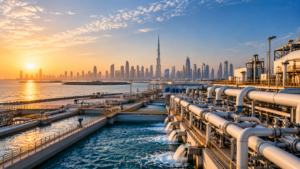
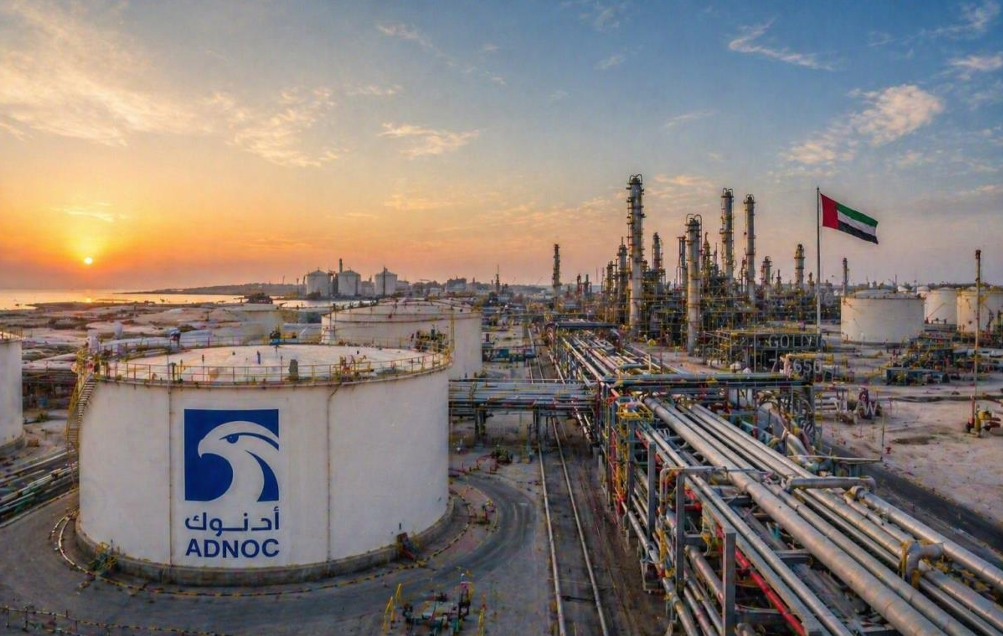
The UAE’s plan to increase output to 5 million bpd is rooted in years of sustained investment and long-term planning. The state-owned Abu Dhabi National Oil Company (ADNOC) has invested billions of dollars to raise production capacity from approximately 3.4 million bpd to nearly 4.8 million bpd in recent years, laying the groundwork for further expansion.
However, these ambitions increasingly clashed with OPEC’s quota system, which capped the UAE’s production at around 3.41 million bpd, significantly below its potential. This mismatch created growing frustration within Emirati leadership, who viewed the restrictions as limiting economic opportunity, particularly during periods of high oil prices.
By exiting OPEC, the UAE gains full autonomy over its production decisions. This allows it to scale output in response to market demand, geopolitical developments, and price fluctuations—advantages that are particularly valuable in an era of heightened energy uncertainty.
Impact on OPEC and Global Oil Governance
The UAE’s exit represents a major blow to OPEC’s cohesion and global influence. As one of the group’s largest and most technologically advanced producers, the UAE played a crucial role in maintaining supply discipline within the cartel. Its departure reduces OPEC’s ability to coordinate production effectively.
Analysts have warned that this move could lead to a structural weakening of OPEC’s control over global oil markets, potentially encouraging other member states to reconsider their positions. The organization’s traditional model based on collective output management faces increasing strain as member nations prioritize national interests.
In the longer term, the shift could lead to greater fragmentation in global oil governance. Independent producers like the UAE may adopt more aggressive output strategies, increasing competition and reducing the effectiveness of coordinated supply controls.
Geopolitical Context and Energy Crisis Dynamics
The UAE’s strategy is unfolding against the backdrop of a severe global energy crisis driven by geopolitical conflict in the Middle East. Disruptions in the Strait of Hormuz—a key transit route for nearly 20% of global oil supply have exposed vulnerabilities in global energy infrastructure.
This crisis has created both challenges and opportunities for oil-producing nations. While supply disruptions limit immediate export capacity, they also drive up prices, creating incentives for producers to expand output once conditions stabilize.
The UAE has sought to mitigate these risks through infrastructure investments, including pipelines that bypass the Strait of Hormuz. These capabilities enhance its resilience and enable it to maintain exports even during periods of geopolitical instability.
Economic Diversification and Long-Term Vision
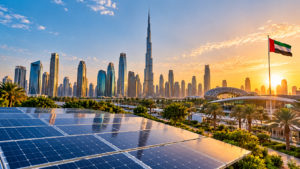
While expanding oil production, the UAE is simultaneously advancing a broader economic diversification strategy. Non-oil sectors already contribute over 77% of the country’s GDP, reflecting a deliberate effort to reduce dependence on hydrocarbons.
This dual approach—maximizing oil revenues in the short term while investing in non-oil sectors for the future—positions the UAE as one of the most forward-looking economies in the Gulf region. Industries such as finance, tourism, technology, and logistics are playing an increasingly central role in economic growth.
The flexibility gained from leaving OPEC further supports this strategy. By controlling its own production levels, the UAE can better align its energy policy with broader economic objectives, ensuring a smoother transition toward a diversified economy.
Outlook
The UAE’s decision to expand oil production capacity to 5 million bpd while stepping away from OPEC marks a pivotal moment in global energy politics. It reflects a broader shift toward national autonomy in resource management and highlights the evolving nature of global oil markets.
In the short term, the impact of this strategy will be shaped by ongoing geopolitical tensions and supply constraints. However, in the long term, the UAE’s increased production capacity could significantly influence global oil prices, market stability, and competitive dynamics.
Ultimately, the move underscores a fundamental transformation in energy governance. As traditional institutions like OPEC face declining influence, emerging strategies driven by national interests and market responsiveness are set to redefine the future of global energy systems.