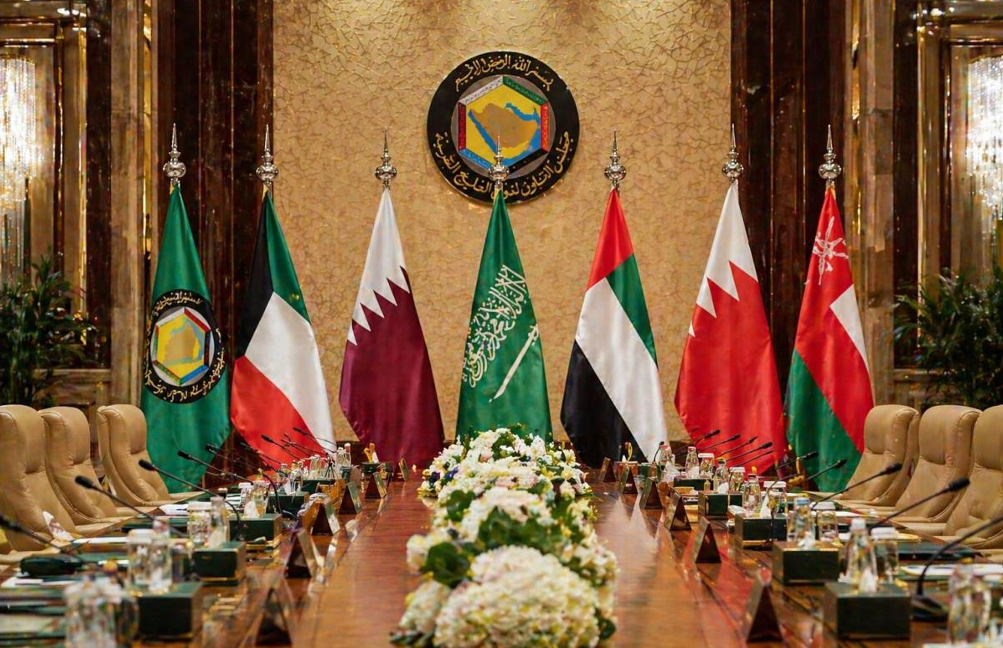
A critical moment in Gulf geopolitics unfolded as leaders of the Gulf Cooperation Council (GCC) convened in Jeddah under the chairmanship of Saudi Crown Prince Mohammed bin Salman. The high-level meeting was called in GCC Iran Conflict Response to escalating tensions linked to Iran, particularly following a series of missile and drone threats that have heightened regional insecurity.
The gathering brought together key leaders from Saudi Arabia, the United Arab Emirates, Kuwait, Qatar, Bahrain, and Oman, reflecting a collective recognition of the urgency of the situation. The discussions centered on strengthening regional coordination, enhancing defense preparedness, and developing a unified response framework to counter evolving security threats.
This summit comes at a time when the Gulf region is facing one of its most complex geopolitical challenges in recent years. While the GCC Iran Conflict Response has historically functioned as a platform for regional cooperation, the current crisis is testing its ability to respond cohesively and effectively in the face of external threats and internal divergences.
Context of Rising Regional Tensions
The meeting in Jeddah was prompted by a series of developments that have significantly escalated tensions in the Gulf. Recent incidents involving missile launches and drone activity have raised alarms across the region, highlighting vulnerabilities in existing defense systems and the need for coordinated action.
Iran’s growing influence and its perceived role in regional conflicts have been central to the concerns discussed at the summit. Gulf nations have expressed apprehension over the potential for further escalation, particularly in critical areas such as maritime security and energy infrastructure.
The situation has also been compounded by disruptions in key trade routes, including the Strait of Hormuz, which remains a vital conduit for global oil supplies. The intersection of security threats and economic risks has underscored the urgency of developing a comprehensive regional strategy.
Focus on Defense and Security Coordination
A key outcome of the Jeddah meeting was the emphasis on strengthening collective defense mechanisms. Leaders discussed the need for enhanced intelligence sharing, joint military exercises, and the integration of air and missile defense systems across GCC countries.
Saudi Crown Prince Mohammed bin Salman highlighted the importance of unity in addressing shared security challenges, emphasizing that coordinated action is essential to ensure regional stability. The discussions also explored the potential for increased collaboration with international partners to bolster defense capabilities.
However, the path toward deeper integration is not without challenges. Differences in national priorities and existing security arrangements have historically limited the effectiveness of collective defense initiatives. The current crisis presents both an opportunity and a test for the GCC to overcome these barriers.
Criticism and Questions Over GCC Unity
Despite the high-level engagement, the GCC Iran Conflict Response has faced criticism for what some analysts describe as a slow and fragmented response to the ongoing crisis. Questions have been raised about the bloc’s ability to act decisively and present a unified front in the face of escalating threats.
Observers note that internal differences among member states have at times hindered coordinated action. Diverging foreign policy approaches and varying levels of reliance on external security partners have contributed to these challenges.
The Jeddah summit, therefore, carries significant symbolic importance. It represents an effort to reaffirm the relevance of the GCC Iran Conflict Response as a cohesive regional body, capable of addressing complex security issues through collective action. Whether this effort translates into tangible outcomes remains to be seen.
Geopolitical Implications and Global Reactions
The GCC Iran Conflict Response meeting has drawn attention from global powers, including the United States and European nations, which have strategic interests in the stability of the Gulf region. The outcome of the summit is expected to influence broader geopolitical dynamics, particularly in relation to energy security and international trade.
The Gulf region’s central role in global energy markets means that any escalation in conflict has far-reaching implications. Disruptions to oil and gas supplies can impact global prices, inflation, and economic stability, making the situation a matter of international concern.
At the same time, the meeting highlights the evolving nature of alliances in the region. As Gulf nations seek to strengthen their own security frameworks, the balance between regional autonomy and reliance on external partners is likely to remain a key issue.
Conclusion
The GCC Iran Conflict Response summit in Jeddah marks a significant moment in the region’s response to escalating geopolitical tensions. By bringing together key leaders to address shared challenges, the meeting underscores the importance of dialogue and cooperation in maintaining stability.
Looking ahead, the effectiveness of the GCC’s response will depend on its ability to translate discussions into concrete actions. Strengthening defense coordination, addressing internal differences, and maintaining engagement with global partners will be critical to navigating the current crisis.
Ultimately, the situation presents both a challenge and an opportunity for the GCC Iran Conflict Response. As the region faces increasing uncertainty, the ability to act collectively will play a निर्णायक role in shaping the future of Gulf security and stability.