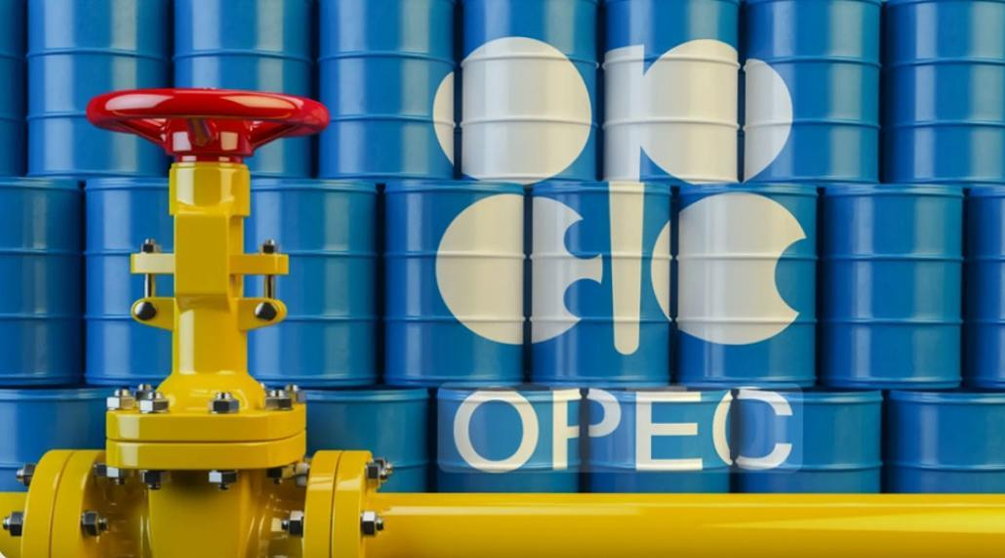
A major rupture in global energy geopolitics has emerged as the United Arab Emirates (UAE) announced its decision to exit the Organization of the Petroleum Exporting Countries (OPEC) and the broader OPEC+ alliance, effective May 1, 2026. The move marks one of the most consequential shifts in oil market dynamics in recent years, challenging the cohesion of a group that has historically shaped global crude supply and pricing.
The UAE Exit from OPEC, a long-standing OPEC member and one of its largest producers, cited a reassessment of its energy strategy and long-term production goals as the primary drivers behind the decision. Officials emphasized that the move was taken independently, reflecting national priorities rather than coordinated regional action.
The announcement comes amid a severe energy crisis triggered by ongoing conflict in the Middle East, particularly disruptions in the Strait of Hormuz—a critical chokepoint for global oil shipments. As geopolitical tensions strain supply chains and expose vulnerabilities in coordinated production systems, the UAE’s departure signals a broader rethinking of how energy policy is managed in an increasingly unstable world.
Strategic Rationale Behind UAE’s Exit
The UAE’s decision to leave OPEC is rooted in its ambition to pursue a more flexible and independent oil production strategy. For years, the country has expressed frustration with OPEC’s quota system, which limits output even for nations with the capacity to produce more.
Energy Minister Suhail Al Mazrouei stated that the decision followed a comprehensive review of current and future energy policies, emphasizing that the UAE seeks to align production more closely with its long-term economic and strategic goals.
Analysts note that the UAE has already been operating near maximum production levels and has plans to increase capacity to around 5 million barrels per day by 2027, making OPEC restrictions increasingly incompatible with its ambitions.
By UAE Exit from OPEC gains full control over its production decisions, enabling it to respond more dynamically to market conditions. This shift reflects a broader trend among energy-producing nations seeking greater autonomy in an era marked by rapid geopolitical and economic change.
Impact on OPEC and Global Oil Governance
The departure of the UAE represents a significant blow to OPEC’s influence and unity. As one of the group’s top producers, the UAE played a critical role in maintaining supply discipline and coordinating production levels among member states.
With its exit, OPEC’s share of global oil output—already declining—faces further erosion. Recent data indicates that OPEC+ production share fell from 48% to 44% within a single month, highlighting the group’s diminishing control over global markets.
The move also exposes underlying tensions within the organization, particularly between the UAE and Saudi Arabia, which has traditionally acted as OPEC’s de facto leader. Diverging national interests and production strategies have increasingly strained the group’s cohesion.
Experts warn that the UAE’s departure could set a precedent for other members, potentially leading to further fragmentation. If additional countries choose to follow suit, the coordinated framework that has governed global oil supply for decades could be fundamentally weakened.
Geopolitical Context and Role of the Iran Conflict
The UAE’s exit cannot be understood in isolation from the broader geopolitical environment, particularly the ongoing conflict involving Iran. The war has severely disrupted oil transport through the Strait of Hormuz, through which approximately 20% of global oil supply typically flows.
Shipping disruptions, security threats, and infrastructure risks have exposed the vulnerabilities of relying on centralized export routes and coordinated production systems. These challenges have forced Gulf nations to reassess their energy strategies and prioritize resilience.
The crisis has also intensified competition among regional powers, with countries seeking to secure market share and strengthen their economic positions. In this context, the UAE’s move reflects a strategic calculation aimed at maximizing its influence in a rapidly shifting energy landscape.
Market Reactions and Economic Implications
In the immediate aftermath of the announcement, global oil markets showed limited disruption, largely due to existing supply constraints caused by the Hormuz crisis. Analysts suggest that the short-term impact of the UAE’s exit will be muted, as logistical challenges continue to restrict the flow of oil.
However, the long-term implications are far more significant. By removing itself from OPEC’s quota system, the UAE could increase production once conditions stabilize, potentially adding 1 to 1.5 million barrels per day to global supply.
This increased flexibility could lead to greater price volatility, as the absence of coordinated production limits makes it harder to stabilize markets. At the same time, some economists argue that the move could benefit consumers by increasing supply and reducing price pressures in the long run.
The shift also has broader economic implications, influencing investment decisions, energy policies, and trade relationships worldwide. As one of the world’s key oil producers, the UAE’s actions will have ripple effects across global markets.
Outlook
The UAE’s decision to exit OPEC marks a pivotal moment in the evolution of global energy governance. It reflects a growing trend toward decentralization and national control in an industry that has long been defined by collective action and coordination.
Looking ahead, the success of this strategy will depend on the UAE’s ability to manage production effectively, navigate geopolitical risks, and adapt to changing market conditions. The move positions the country to play a more assertive role in shaping the future of global energy markets.
At the same time, the departure raises fundamental questions about the future of OPEC and the viability of coordinated production frameworks in an increasingly fragmented world. As geopolitical tensions persist and energy systems evolve, the decisions made by key players like the UAE will continue to reshape the global energy landscape.