
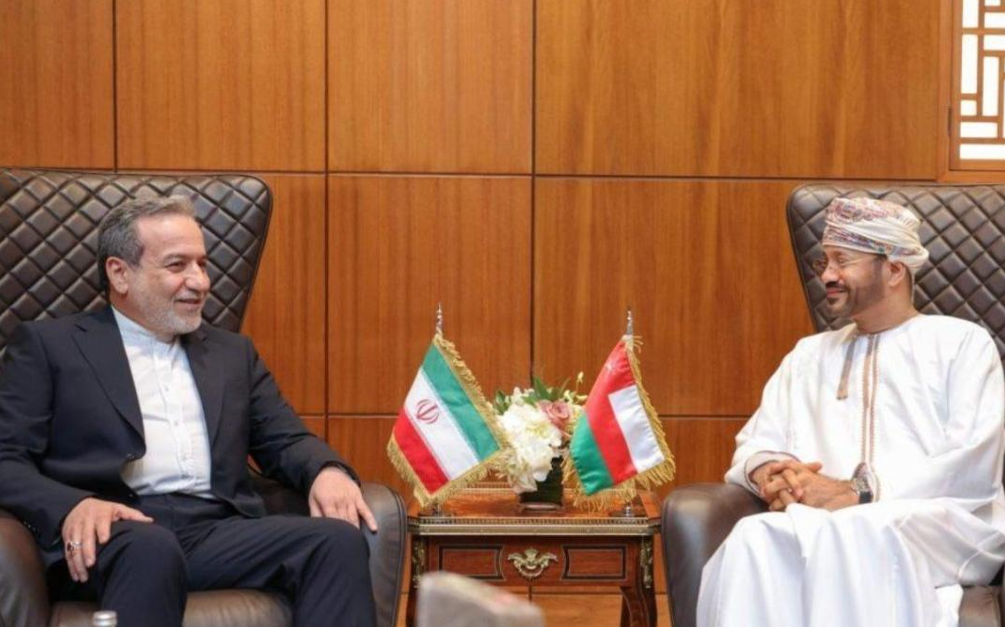
A renewed diplomatic effort in the Gulf has emerged as Iran’s Foreign Minister Abbas Araqchi held high-level talks in Oman, focusing on maritime security in the Strait of Hormuz and broader efforts to end the ongoing regional conflict.
The discussions come at a critical juncture as tensions continue to disrupt global energy flows and destabilize one of the world’s most vital trade routes.
According to recent developments, Araqchi met with Sultan Haitham bin Tariq in Muscat, where both sides explored pathways to de-escalation and long-term regional stability. The Iran Oman talks highlighted Iran’s proposal for a Gulf-led security framework that excludes foreign military presence, particularly that of the United States, which Tehran argues has contributed to instability.
The timing of the meeting reflects the urgency of the situation. With maritime disruptions, ship seizures, and ongoing military standoffs in the Strait of Hormuz, diplomatic engagement has become increasingly critical. The outcome of these discussions could shape not only regional security dynamics but also global energy markets and geopolitical alignments.
Diplomatic Engagement in Oman
The Iran Oman talks represent a continuation of Muscat’s long-standing role as a neutral mediator in Middle Eastern conflicts. Oman has historically facilitated dialogue between Iran and Western powers, and its involvement in the current crisis underscores its importance as a diplomatic bridge.
During the meeting, Araqchi emphasized the need for sustained dialogue to reduce tensions and prevent further escalation. The discussions focused on immediate measures to stabilize maritime activity in the Strait of Hormuz, where disruptions have significantly reduced shipping traffic and heightened global concerns.
Omani leadership, for its part, reiterated the importance of diplomacy and peaceful resolution. Sultan Haitham bin Tariq urged all parties to pursue constructive engagement and avoid actions that could exacerbate the conflict. The Iran Oman talks were framed as part of a broader effort to revive stalled negotiations and rebuild trust among regional actors.
Iran’s Proposal for Regional Security
A central theme of the discussions was Iran’s call for a regional security architecture that excludes foreign military forces. Araqchi argued that external presence—particularly U.S. naval deployments—has contributed to tensions and division within the Gulf.
Iran’s proposal envisions a cooperative framework among Gulf nations, including Iran, Saudi Arabia, the United Arab Emirates, and Oman, aimed at ensuring maritime security and stability. The approach reflects Tehran’s broader strategic objective of reducing Western influence in the region while strengthening regional autonomy.
This proposal, however, faces significant challenges. Gulf states have historically relied on U.S. security guarantees, particularly in the context of maritime protection and energy infrastructure. The divergence in security perspectives highlights the complexity of achieving consensus on a new regional framework.
Strait of Hormuz: Strategic and Economic Significance
The Strait of Hormuz remains at the center of the crisis, serving as a critical artery for global energy supplies. Approximately 20% of the world’s oil and liquefied natural gas passes through this narrow waterway, making it indispensable to the global economy.
Recent disruptions have underscored the vulnerability of this chokepoint. Shipping activity has declined sharply, with reports indicating that only a handful of vessels are able to transit the strait safely amid ongoing tensions. The situation has led to increased insurance costs, delays in cargo movement, and rising energy prices worldwide.
Iran has maintained a firm stance on controlling access to the strait until broader conflict issues are resolved. This position has intensified the standoff with U.S. forces, which continue to enforce maritime security operations in the region. The resulting impasse has made the Strait of Hormuz a focal point of both economic and military confrontation.
Geopolitical Tensions and Global Implications
The Iran Oman talks are taking place against a backdrop of escalating geopolitical tensions involving multiple actors, including the United States, Israel, and regional Gulf states. The lack of progress in broader peace negotiations has added urgency to diplomatic efforts.
Iran’s criticism of U.S. military presence reflects deeper strategic rivalries. Tehran views foreign forces as a destabilizing factor, while Washington and its allies argue that their presence is essential for maintaining security and ensuring free navigation.
The global implications of the crisis are significant. Disruptions in the Strait of Hormuz have already contributed to rising oil prices, increased inflation, and heightened market volatility. Countries heavily dependent on energy imports are particularly vulnerable, underscoring the interconnected nature of global economic systems.
Outlook
The discussions between Iran and Oman highlight both the possibilities and limitations of diplomacy in addressing one of the most complex geopolitical crises of recent times. While the Iran Oman talks signal a willingness to engage, significant differences remain on key issues, particularly the role of foreign military forces in the region.
Looking ahead, the success of these diplomatic efforts will depend on the ability of regional and global actors to find common ground. Confidence-building measures, such as ensuring safe maritime passage and reducing military tensions, will be critical to creating an environment conducive to broader negotiations.
Ultimately, the future of the Strait of Hormuz and the stability of the Gulf region will hinge on whether diplomacy can overcome entrenched geopolitical rivalries. As the world watches closely, the outcomes of these Iran Oman talks may well shape the trajectory of global energy security and international relations in the months to come.