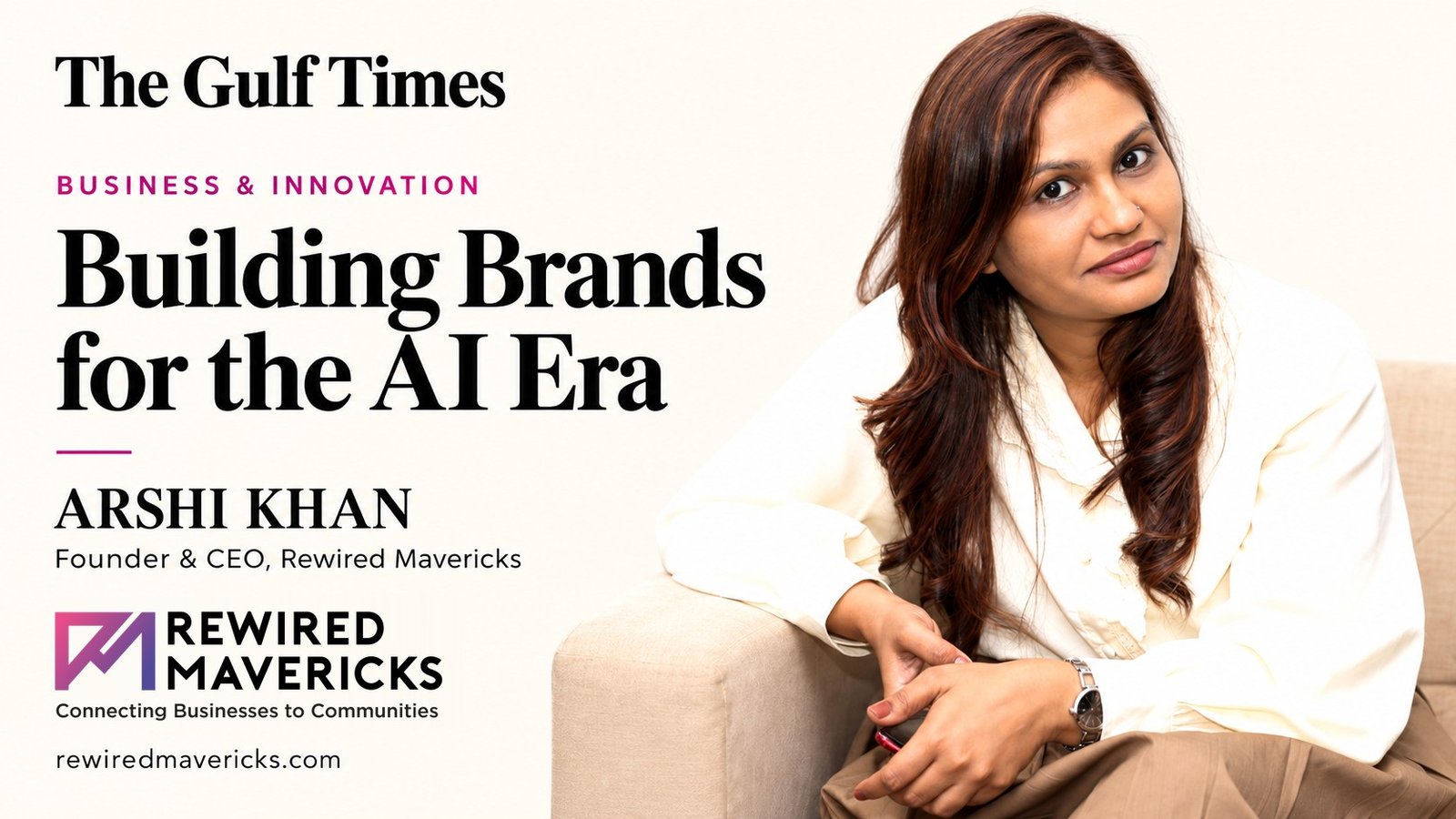
From clean-energy thought leadership to AI-era discoverability, Rewired Mavericks explores how Gulf businesses can build credible, connected brand narratives.
Learn how CookLeads helps B2B teams find mobile numbers and work emails from LinkedIn profiles, with lookup steps, pricing and responsible outreach tips.
From clean-energy thought leadership to AI-era discoverability, Rewired Mavericks explores how Gulf businesses can build credible, connected brand narratives.
Parenting in modern India is evolving quickly. Nuclear families are becoming more common, both parents are often working, and expectations around safety, learning, and meaningful childhood experiences have increased significantly. Parents today want trusted activities for their children, reliable products, and convenient solutions that simplify everyday decisions. Yet the ecosystem serving parents is still highly …
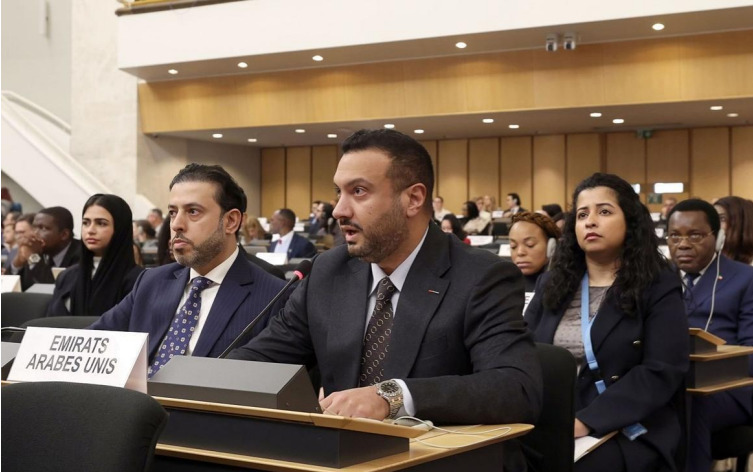
The United Arab Emirates issued a strong diplomatic response at the United Nations Human Rights Council (UNHRC) after a Sudanese warring faction levelled what the UAE described as “false, baseless and politically motivated allegations.” The statement was delivered during the Council’s discussions on the worsening humanitarian crisis in Sudan, where nearly 25 million people now …
Football fever has reached a new high across the United Arab Emirates as the national team prepares for a highly anticipated Gulf Cup Final against hosts Saudi Arabia in Jeddah. The excitement among UAE supporters has been reflected in extraordinary demand for travel to the decisive match. Seats on six charter flights arranged for UAE …
The United Arab Emirates is taking another major step towards digitalising its business and tax infrastructure through the introduction of a nationwide electronic invoicing framework. The UAE e-invoicing mandate is designed to modernise how businesses issue, exchange, and report invoices, helping improve operational efficiency, strengthen tax compliance, and create a more transparent business environment. A …