The UAE is strengthening its water security through desalination, water recycling, groundwater protection and sustainable water management as demand continues to grow.
UAE Strengthens Water Security as It Prepares for Future Demand
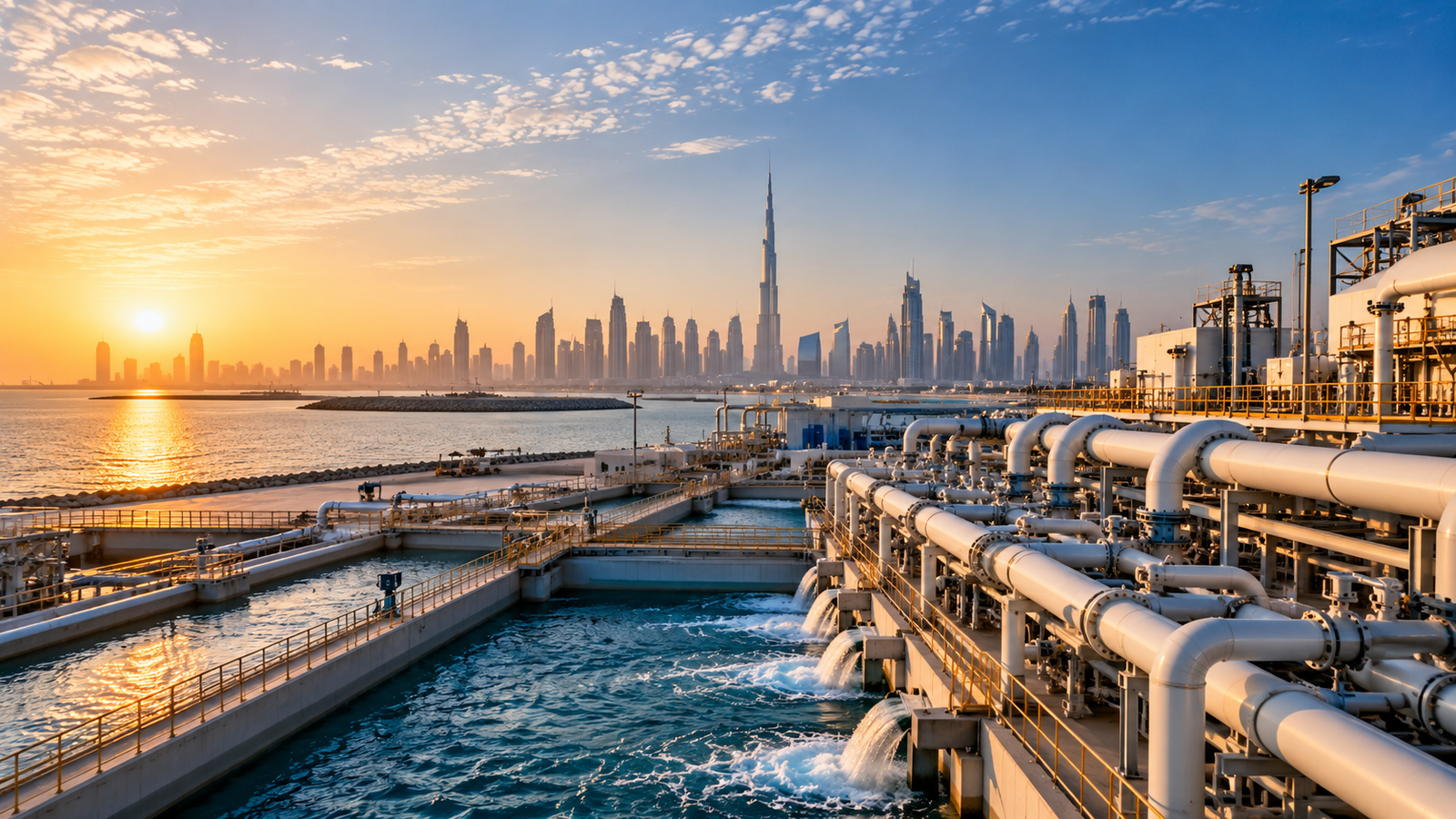
Water is one of the UAE’s most important natural resources, and securing a reliable supply has become increasingly important as the country continues to grow. With limited natural freshwater resources and rising demand from households, businesses, agriculture and industry, UAE water security is now a major part of the country’s long-term development plans.
The UAE is addressing this challenge through a combination of desalination, water recycling, groundwater protection, smart water networks and more efficient consumption. These efforts are supported by the UAE Water Security Strategy 2036, which aims to ensure sustainable and continuous access to water during normal conditions as well as emergencies.
Why Water Security Matters for the UAE
The UAE’s climate and geography make water management particularly important. Unlike countries with large natural freshwater reserves, the UAE relies heavily on desalination and other managed water resources to meet its needs.
At the same time, population growth, urban development and expanding economic activity are increasing demand for water. This means that simply producing more water is not enough. The country also needs to reduce waste, improve efficiency and make better use of existing resources.
The UAE Water Security Strategy 2036 takes a long-term approach by combining water demand management, water supply management and emergency water production and distribution. The strategy also places emphasis on technology, innovation, public awareness and stronger water-sector planning.
Desalination Remains at the Heart of UAE Water Security
One of the most important ways the UAE secures its water supply is through seawater desalination. The process removes salts and other minerals from seawater, making it suitable for use as freshwater.
Dubai is now moving toward more efficient desalination technologies, particularly Seawater Reverse Osmosis (SWRO). Compared with traditional thermal desalination methods, reverse osmosis requires less energy, making it an important part of the UAE’s plans for more sustainable water production.
Dubai Electricity and Water Authority has been expanding its desalination capacity as part of Dubai’s long-term water security plans. The emirate is increasingly focusing on reverse-osmosis technology to produce freshwater more efficiently while supporting growing demand.
Hassyan Project Supports Dubai’s Future Water Supply
A major development in Dubai’s water security plans is the Hassyan seawater reverse-osmosis desalination project.
The project represents a major investment in Dubai’s water infrastructure and is designed to produce millions of gallons of desalinated water every day. The Hassyan project is also among the world’s major seawater reverse-osmosis developments.
The project is expected to strengthen Dubai’s water production capacity while supporting the emirate’s broader water-resource management goals.
The development also reflects a wider shift in the UAE’s approach to water desalination: producing more water while reducing the energy and environmental impact associated with the process.
More Water Does Not Mean Less Need for Conservation
Increasing desalination capacity is only one part of UAE water security. The country is also focusing on how efficiently water is transported and consumed.
Dubai has been expanding smart monitoring systems across its water network to identify problems, monitor pressure and flow, and respond more quickly to faults.
These systems can help utilities detect unusual changes in water flow and manage the network more efficiently. As cities expand, technologies that help reduce water losses can become just as important as increasing water production.
Water conservation also depends on consumers, businesses and industries using water responsibly. Reducing unnecessary consumption can help lower pressure on the country’s water resources over the long term.
Recycling Water for a More Sustainable Future
Another important part of the UAE’s approach is water recycling and the reuse of treated wastewater.
Instead of treating used water as a resource that must simply be discarded, treated wastewater can be reused for suitable applications. This can reduce pressure on freshwater resources and support more efficient water management.
The UAE Water Security Strategy 2036 includes increasing the reuse of treated wastewater as part of its long-term objectives. Water recycling can therefore play an important role in creating a more circular approach to water use, particularly in areas such as landscaping, irrigation and other applications where potable water may not always be necessary.
Protecting Groundwater and Diversifying Water Sources
Desalination is not the UAE’s only water resource. Groundwater remains important, particularly for agriculture, which makes protecting underground reserves an important part of long-term water security.
Abu Dhabi has introduced an Integrated Water Sector Strategy focused on securing and diversifying water resources while preserving groundwater reserves. The strategy includes improving water-use efficiency, modernising infrastructure and increasing the use of recycled water.
Diversifying water resources can help reduce dependence on any single source and make the UAE’s water system more resilient in the face of changing demand and environmental conditions.
Smart Technology Is Becoming Part of Water Management
Technology is increasingly becoming another tool for improving UAE water security.
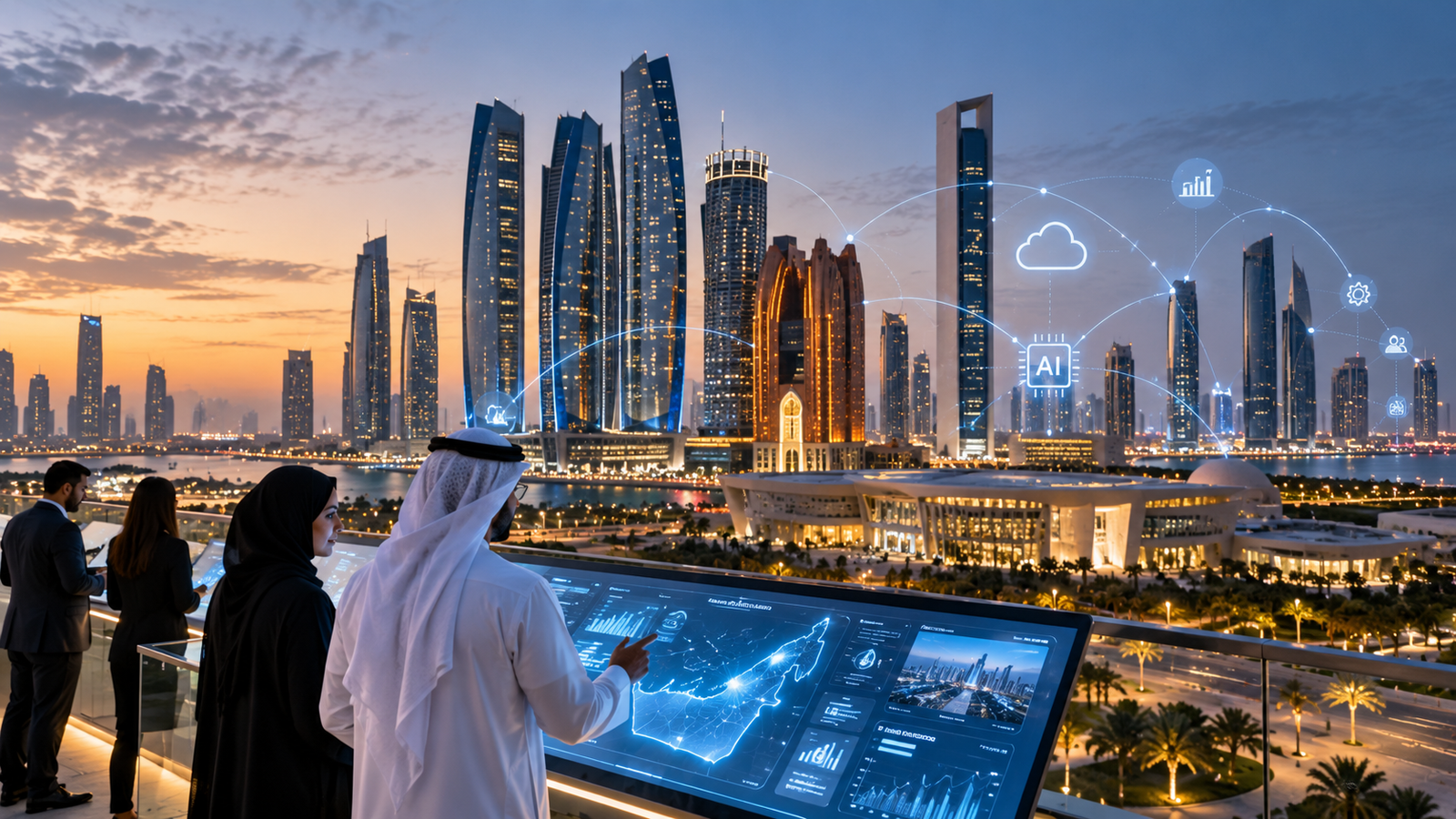
Smart monitoring systems, automated valves, data analysis and artificial intelligence can help utilities understand how water moves through large networks and identify potential problems more quickly.
The goal is not simply to make water infrastructure more technologically advanced. It is to make the system more efficient, reliable and resilient as demand changes.
Smart water management can also help authorities identify areas of high consumption, improve maintenance and make better decisions about future infrastructure requirements.
Water Security and the UAE’s Future Growth
The UAE’s approach to water security is closely connected to its wider economic and urban development. As cities expand and new residential, commercial and industrial projects are developed, maintaining a dependable water supply becomes essential for supporting everyday life and economic activity.
For this reason, the UAE is taking a multi-layered approach: producing water through advanced desalination, reducing losses through smart infrastructure, increasing wastewater reuse, protecting groundwater and encouraging more efficient consumption.
The country’s water strategy also recognises that future challenges may not always be predictable. Building emergency reserves and resilient infrastructure can help ensure that essential water supplies remain available during unexpected disruptions.
What the Future of Water Security Could Look Like
The UAE’s future water system is likely to depend on a combination of technologies and resources rather than a single solution.
Desalination will continue to play a major role, while reverse-osmosis technology can help improve the efficiency of water production. At the same time, recycling, smart networks, groundwater management, rainwater collection and responsible consumption can reduce pressure on available resources.
Dubai’s planned increase in desalination capacity and Abu Dhabi’s long-term water strategy show how both emirates are preparing their water infrastructure for future requirements. Together, these efforts form part of the UAE’s wider objective of creating a reliable and sustainable water system for future generations.
Conclusion
UAE water security is no longer simply about finding enough water for today. It is about building an infrastructure system capable of supporting the country’s population, economy and development in the decades ahead.
From large-scale desalination projects such as Hassyan to water recycling, groundwater protection and smart distribution networks, the UAE is investing in multiple solutions to make its water supply more secure and sustainable.
As demand continues to evolve, the success of these efforts will depend not only on producing more water but also on using every drop more efficiently.
For more UAE news, business developments and the latest updates from across the Emirates, visit The Gulf Time.

Subscribe to Our Newsletter
Keep in touch with our news & offers