
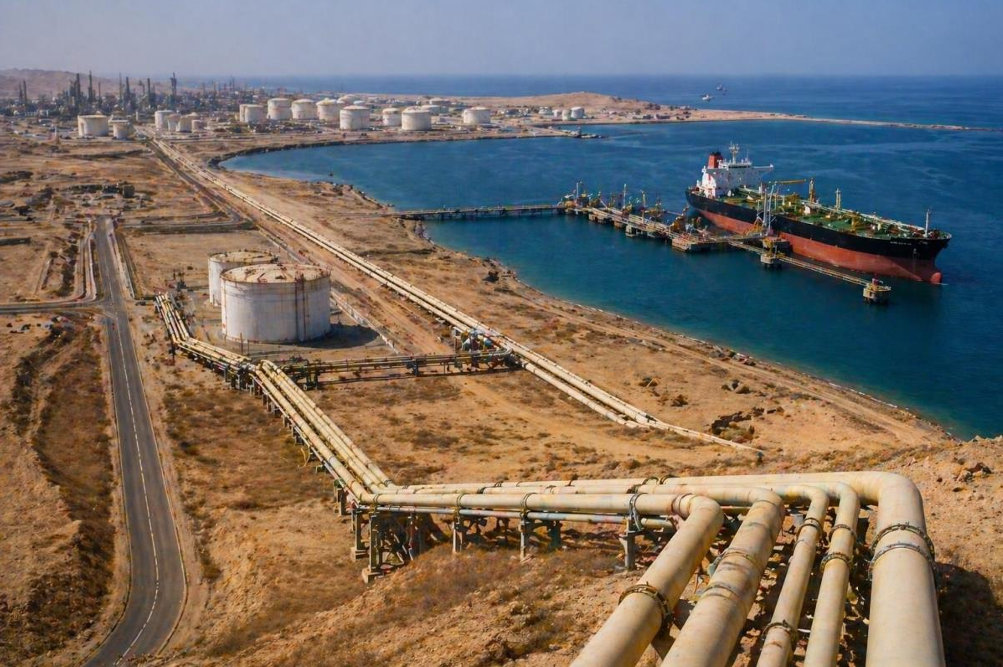
A profound transformation is underway in the global energy landscape as Gulf nations intensify efforts to reduce their reliance on the Strait of Hormuz oil diversification, long considered one of the world’s most critical energy chokepoints.
Amid escalating geopolitical tensions and repeated disruptions to maritime traffic, regional leaders are increasingly treating the strait not as a temporary risk but as a long-term vulnerability.
Recent developments indicate that countries such as Saudi Arabia and the United Arab Emirates are fast-tracking infrastructure projects aimed at bypassing Hormuz oil diversification altogether.
This includes expanding cross-border pipeline networks, increasing storage capacity outside the Gulf, and strengthening logistical coordination with global energy partners.
These measures reflect a strategic pivot toward resilience and risk mitigation in an increasingly uncertain geopolitical environment.
The shift comes at a time when the Strait of Hormuz oil diversification continues to face instability due to military tensions and shipping disruptions.
With approximately 20% of the world’s oil supply passing through this narrow waterway, any prolonged disruption has far-reaching implications for global energy markets, inflation, and economic stability.
The urgency of the situation is prompting Gulf nations to rethink decades-old energy export strategies.
Strategic Importance of the Strait of Hormuz
The Strait of Hormuz oil diversification has historically served as the primary artery for oil exports from the Gulf region to global markets.
Its geographic position—connecting the Persian Gulf to the Arabian Sea—makes it indispensable for countries such as Saudi Arabia, the UAE, Kuwait, Iraq, and Qatar.
The strait’s significance extends beyond energy, influencing global trade routes and maritime security.
However, this strategic importance has also made Hormuz oil diversification a focal point of geopolitical tensions.
Periodic conflicts, naval confrontations, and threats to shipping lanes have underscored its vulnerability.
Recent escalations have further highlighted the risks associated with overdependence on a single transit route, prompting urgent reassessment by regional policymakers.
The realization that Hormuz may not return to stable, uninterrupted operation has marked a turning point.
Analysts suggest that Gulf nations are now treating the strait as a structural risk rather than a temporary disruption, leading to a shift in long-term planning and investment priorities.
Pipeline Expansion and Infrastructure Development
In response to these challenges, Gulf nations are significantly expanding their pipeline infrastructure to create alternative export routes.
Saudi Arabia, for instance, has been enhancing its East-West pipeline, which allows oil to be transported from the eastern oil fields to the Red Sea, bypassing the Strait of Hormuz oil diversification entirely.
Similarly, the United Arab Emirates has invested heavily in the Abu Dhabi Crude Oil Pipeline (ADCOP), which connects its onshore oil fields to the port of Fujairah on the Gulf of Oman.
This strategic asset enables the UAE to export oil without relying on Hormuz, providing a critical buffer against disruptions.
These infrastructure developments are being complemented by increased investments in storage facilities, both within the region and in key international markets.
By diversifying export routes and storage locations, Gulf countries aim to enhance supply chain resilience and ensure continuity of exports even during periods of geopolitical instability.
Regional Coordination and Strategic Realignment
Beyond individual national efforts, there is growing emphasis on regional coordination among Gulf Cooperation Council (GCC) members.
Countries are exploring collaborative approaches to energy security, including shared infrastructure projects and coordinated responses to disruptions.
This shift toward collective strategy reflects a broader realignment in regional geopolitics.
As traditional security arrangements evolve, Gulf nations are seeking greater autonomy in managing their energy and economic interests.
Enhanced cooperation within the GCC is seen as a key component of this strategy.
At the same time, Gulf countries are engaging with global partners to secure alternative trade routes and strengthen energy ties.
This includes deepening relationships with major energy consumers in Asia and Europe, as well as exploring new markets to diversify demand.
Global Market Implications and Economic Impact
The strategic shift away from the Strait of Hormuz has significant implications for global energy markets.
By reducing dependence on a single chokepoint, Gulf nations aim to stabilize supply and mitigate price volatility.
However, the transition itself may introduce short-term disruptions as new infrastructure is developed and integrated.
Oil prices have already shown sensitivity to developments in the region, with disruptions in Hormuz contributing to sharp fluctuations.
The prospect of long-term structural changes in energy logistics is likely to influence market dynamics, investment patterns, and global trade flows.
For importing countries, the diversification of export routes offers both opportunities and challenges.
While it enhances supply security, it may also lead to shifts in pricing structures and transportation costs.
The evolving landscape underscores the interconnected nature of global energy systems.
Outlook
The accelerating efforts by Gulf nations to bypass the Strait of Hormuz oil diversification represent a pivotal moment in the evolution of global energy strategy.
What began as a response to immediate geopolitical tensions has now evolved into a comprehensive rethinking of how energy is transported and secured.
Looking ahead, the success of this transition will depend on the timely completion of infrastructure projects, effective regional coordination, and the ability to adapt to changing market conditions.
As Gulf countries continue to invest in alternative routes and technologies, they are laying the groundwork for a more resilient and diversified energy system.
Ultimately, the shift away from Hormuz oil diversification reflects a broader trend toward strategic autonomy and risk management in an uncertain world.
As the global energy landscape continues to evolve, the decisions made by Gulf nations today will play a crucial role in shaping the future of international energy security and economic stability.