The fragile ceasefire in the Middle East has come under renewed strain after Iran seized multiple commercial vessels in the strategically critical Strait of Hormuz.
The incident, confirmed by international agencies and regional authorities, marks a sharp escalation in an already volatile maritime environment that sits at the heart of global energy flows and geopolitical rivalry. The Iran ship seizure occurred despite an extended ceasefire announcement, signaling a widening disconnect between diplomatic signaling and on-ground military actions.
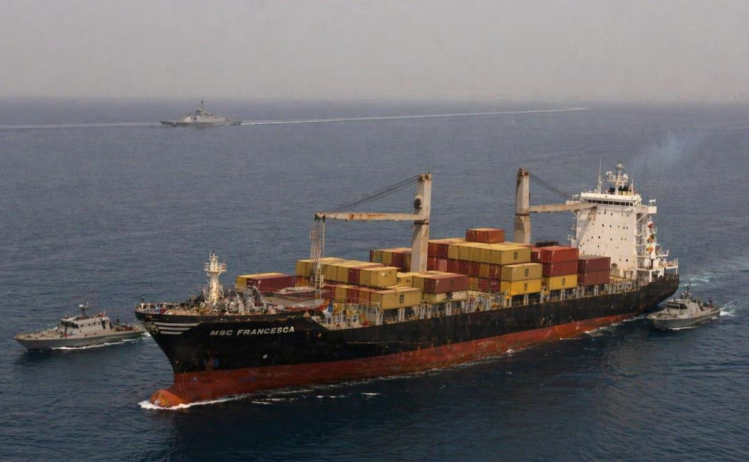
According to reports, Iran’s Islamic Revolutionary Guard Corps (IRGC) navy intercepted and seized at least two vessels identified as the Panama-flagged MSC Francesca and Liberia-flagged Epaminondas, citing alleged violations of maritime regulations, including tampering with navigation systems and operating without authorization. The ships were subsequently redirected toward Iranian waters, intensifying concerns about freedom of navigation in one of the world’s most critical shipping corridors.
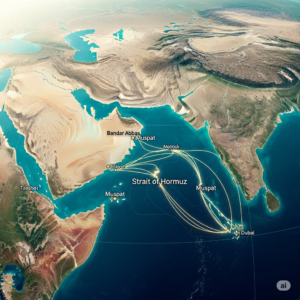
The incident is not an isolated development but part of a broader pattern of escalating maritime confrontation linked to the ongoing conflict involving Iran, the United States, and its allies. As tensions rise, the Strait of Hormuz—through which nearly 20% of global oil supply passes—has once again become a focal point of global economic and security concerns.
Escalation Amid Ceasefire Breakdown
The Iran ship seizure of commercial vessels comes at a particularly sensitive moment, as the United States had recently extended a ceasefire in an attempt to create space for diplomatic engagement. However, Iran’s actions suggest that the ceasefire remains largely symbolic, with both sides continuing to exert pressure through military and economic means.
Reports indicate that the IRGC justified the Iran ship seizure by accusing the vessels of violating navigation protocols and endangering maritime safety. At the same time, independent accounts suggest that at least one vessel was subjected to gunfire and damage before being detained, underscoring the aggressive nature of the enforcement. These developments highlight the increasingly militarized nature of maritime operations in the region.
The broader context reveals a cycle of action and retaliation. The United States has maintained a naval blockade targeting Iranian oil exports, while Iran has responded by tightening its control over the Strait. This dynamic has created a situation where even routine commercial shipping is subject to geopolitical risk, undermining the effectiveness of ceasefire agreements and complicating diplomatic efforts.
Strategic Importance of the Strait of Hormuz
The Strait of Hormuz occupies a central position in global trade and energy security, serving as a narrow maritime chokepoint connecting the Persian Gulf to international waters. Approximately one-fifth of the world’s oil and liquefied natural gas flows through this route, making it indispensable to global economic stability.
Any disruption in the Strait has immediate and far-reaching consequences. The recent Iran ship seizure have contributed to a sharp decline in vessel traffic, with reports indicating that daily ship movements dropped dramatically as shipping companies reassessed risks. Hundreds of vessels remain stranded or rerouted, creating bottlenecks that ripple across global supply chains.
The strategic value of the Strait also makes it a powerful leverage tool. By asserting control over maritime access, Iran is effectively signaling its ability to influence global energy markets and geopolitical negotiations. This dynamic places the Strait at the center of both economic calculations and military strategies, amplifying its significance in the current crisis.
Economic Impact and Oil Market Reaction
The immediate economic impact of the Iran ship seizure has been felt in global energy markets, where oil prices have surged in response to supply uncertainties. Brent crude has approached or exceeded $100 per barrel, reflecting heightened fears of prolonged disruption.
The volatility in oil prices is driven not only by physical supply constraints but also by market sentiment. Investors are reacting to the unpredictability of the situation, where each new incident raises the risk of further escalation. The uncertainty surrounding the Strait has made energy markets particularly sensitive to geopolitical developments.
Beyond oil, the disruption has broader economic implications. Increased shipping costs, higher insurance premiums, and delays in cargo movement are affecting industries ranging from manufacturing to agriculture. The cascading effects highlight the interconnected nature of global trade and the central role of maritime security in sustaining economic stability.
Military Dynamics and Regional Power Play
The Iran ship seizure must also be viewed within the context of evolving military dynamics in the region. Iran’s actions reflect a strategy of asymmetric warfare, leveraging its geographic position and naval capabilities to counterbalance the technological and logistical advantages of its adversaries.
The IRGC’s increased role in maritime operations signals a shift toward more assertive enforcement of Iran’s claims over the Strait. Statements from Iranian officials emphasize that maintaining control over the waterway is a “red line,” indicating a willingness to escalate if necessary.
At the same time, the United States and its allies continue to maintain a strong naval presence in the region, enforcing blockades and conducting patrols. This overlapping military activity creates a high-risk environment where miscalculations or accidental confrontations could trigger broader conflict. The situation remains highly fluid, with both sides testing the limits of each other’s tolerance.
Outlook
The Iran ship seizure of commercial vessels in the Strait of Hormuz represents a critical escalation in the ongoing Middle East crisis, underscoring the fragility of current ceasefire arrangements and the complexity of maritime security challenges. While diplomatic efforts continue, the gap between political intent and operational realities remains significant.
Looking ahead, the trajectory of the crisis will depend on the ability of global powers to de-escalate tensions and restore confidence in maritime navigation. Multilateral efforts to secure shipping routes and facilitate dialogue will be essential in preventing further disruptions. However, the entrenched positions of key actors suggest that a quick resolution remains unlikely.
In the broader context, the events in the Strait of Hormuz highlight the enduring importance of strategic chokepoints in global geopolitics. As nations grapple with shifting alliances, economic pressures, and security challenges, the ability to maintain stability in such critical regions will be a defining factor in shaping the future of international relations and global economic resilience.