
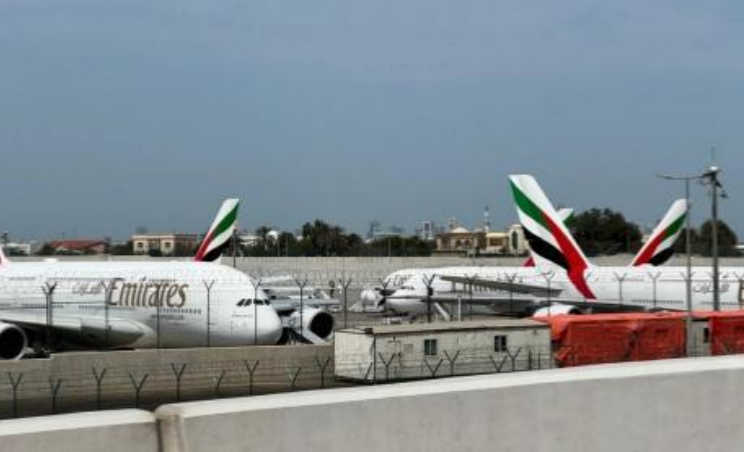
The escalating conflict in the Middle East Medicine Supply has begun to disrupt one of the most sensitive global supply chains: the transport of critical medicines. Pharmaceutical companies and logistics providers warn that the ongoing war involving the United States, Israel, and Iran is increasingly interfering with air cargo routes used to deliver life-saving drugs to Gulf countries. These disruptions have raised urgent concerns among healthcare providers about the continuity of treatments, particularly for patients dependent on complex therapies such as cancer medicines.
The Gulf region including the United Arab Emirates, Saudi Arabia, Qatar, and Kuwait relies heavily on imported pharmaceutical products delivered through international cargo hubs. Key aviation gateways such as Dubai, Abu Dhabi and Doha play a central role in distributing temperature-sensitive medicines across the region. However, ongoing missile strikes, airspace restrictions and aviation disruptions have complicated these routes, forcing pharmaceutical companies to reroute shipments through alternative corridors.
Although healthcare systems in the Gulf have so far avoided immediate shortages, industry analysts warn that prolonged disruptions could trigger supply gaps within weeks. Medicines such as monoclonal antibodies, advanced cancer therapies and certain biologic drugs require strict refrigeration and rapid delivery, meaning delays of even a few days can threaten the integrity of shipments and the stability of treatment schedules.
Strategic Air Routes Under Pressure
A central factor behind the emerging supply crisis is the disruption of major global air cargo corridors that pass through the Middle East Medicine Supply. Airports in Dubai, Doha and Abu Dhabi function as vital logistics hubs linking pharmaceutical manufacturers in Europe, North America and Asia to hospitals across the Gulf. With the conflict escalating, airlines have been forced to reroute or suspend flights due to security risks and airspace closures.
Industry executives report that several pharmaceutical shipments have already been redirected through alternative hubs such as Istanbul, Oman, and Saudi Arabia. While these adjustments help maintain supply lines, they increase transit times and complicate logistics for medicines that must remain within strict temperature ranges during transportation. Maintaining the “cold chain”, the continuous refrigeration required for many biological medicines has become particularly challenging.
Air cargo capacity has also been severely affected by the conflict. Aviation analysts estimate that the broader Middle East Medicine Supply disruption has reduced global air cargo capacity significantly as passenger flights and dedicated freight routes are suspended. Because pharmaceutical shipments often travel in the cargo holds of passenger aircraft, the decline in flights directly reduces the available space for medicine transport.
Risks to Temperature-Sensitive Cancer Treatments
Among the most vulnerable medical supplies are advanced cancer therapies, many of which depend on strict refrigeration during transport. These medicines include monoclonal antibody treatments and other biologic drugs that are widely used in modern oncology. Unlike conventional tablets, these therapies are highly sensitive to temperature fluctuations and can become ineffective if not handled properly.
Pharmaceutical supply chain specialists warn that disruptions lasting several weeks could affect patients undergoing treatment across the Gulf. Hospitals often rely on carefully timed deliveries to maintain adequate stocks of specialized medicines. If shipments are delayed or compromised, doctors may be forced to postpone treatment cycles or switch to alternative therapies that may not offer the same effectiveness.
Experts estimate that if logistical challenges persist, shortages could begin to appear within four to six weeks, particularly for medicines with short shelf lives. These include certain immunotherapies and precision oncology drugs that are produced in limited quantities and transported quickly after manufacturing. Such medicines cannot easily be stockpiled due to storage requirements and expiration constraints.
Logistics Industry Scrambles for Alternatives
In response to the disruptions, logistics companies and pharmaceutical manufacturers are rapidly reorganizing supply routes to maintain deliveries. Alternative corridors through Saudi Arabia, Oman and Turkey have become critical pathways for shipments entering the Gulf. Some companies are also exploring multimodal transport solutions that combine air and land transport to reach final destinations.
However, rerouting cargo comes with additional costs and operational challenges. Maintaining temperature-controlled environments requires specialized containers, dry ice and constant monitoring. When journeys become longer or involve multiple transfers between aircraft and trucks, the risk of temperature deviations increases significantly. This raises concerns about the quality and safety of pharmaceutical products reaching hospitals.
Rising transportation costs have also become a major concern. Freight rates have climbed as cargo capacity shrinks and airlines adjust routes to avoid conflict zones. Increased fuel consumption from longer routes, as well as additional refrigeration requirements, have added further expenses to already complex pharmaceutical supply chains.
Wider Economic and Strategic Implications
The disruption of medicine supply chains reflects a broader economic shock caused by the regional conflict. Beyond pharmaceuticals, the war has affected global aviation, shipping routes and energy markets. The Strait of Hormuz, one of the world’s most critical maritime chokepoints has faced major disruptions due to military tensions and security concerns.
Air travel across the region has also been severely affected by missile and drone attacks targeting infrastructure and airspace. In several cases, flights have been diverted or cancelled, further complicating logistics for high-value cargo such as medicines. Aviation disruptions have also reduced passenger travel and tourism, amplifying the economic strain on Gulf economies already coping with geopolitical instability.
For the global pharmaceutical industry, the situation underscores the vulnerability of highly specialized supply chains that depend on rapid international transport. Modern medicines often require tightly coordinated manufacturing, packaging and distribution processes spread across multiple countries. When conflict interrupts transportation networks, the consequences can quickly ripple across healthcare systems worldwide.
Conclusion and Outlook
The ongoing Middle East Medicine Supply conflict has exposed the fragility of pharmaceutical logistics networks that support millions of patients across the Gulf region. While governments and healthcare providers have so far managed to maintain supplies, the disruption of key aviation routes poses a growing risk to the delivery of critical treatments particularly advanced cancer therapies that require precise temperature control and rapid distribution.
Industry leaders warn that the situation could deteriorate if the conflict continues for several weeks or months. In such a scenario, supply chains may struggle to keep pace with demand, leading to potential shortages of specialized medicines. Healthcare providers may need to adapt treatment schedules, adjust inventories and coordinate closely with pharmaceutical suppliers to ensure continuity of care.
Looking ahead, the crisis may accelerate efforts to diversify pharmaceutical supply routes and strengthen regional drug manufacturing capacity. Governments and industry stakeholders may increasingly invest in local production, strategic medicine reserves and resilient logistics networks to reduce dependence on fragile global transport corridors. Until stability returns to the region, however, the delivery of life-saving medicines will remain closely tied to the uncertain trajectory of the conflict.