Global maritime trade through the Persian Gulf Shipping Costs is facing mounting financial and logistical pressures as insurers sharply increase premiums for vessels operating in the region while shipping companies activate emergency contingency plans to protect supply chains.
The developments follow escalating geopolitical tensions around the Strait of Hormuz, a critical maritime corridor through which roughly 20% of the world’s oil and liquefied natural gas shipments pass each day, making it one of the most strategically important energy transit routes in the global economy.
Insurance providers and maritime risk analysts have begun revising risk assessments for ships travelling through Gulf waters, particularly tankers transporting crude oil and liquefied natural gas. War-risk insurance premiums for vessels entering the region have risen significantly as insurers factor in potential disruptions, missile threats, drone activity and broader regional instability.
Gulf Shipping Costs industry sources say these rising costs are already increasing operational expenses for tanker fleets and cargo carriers operating between Asia, Europe and the Middle East.
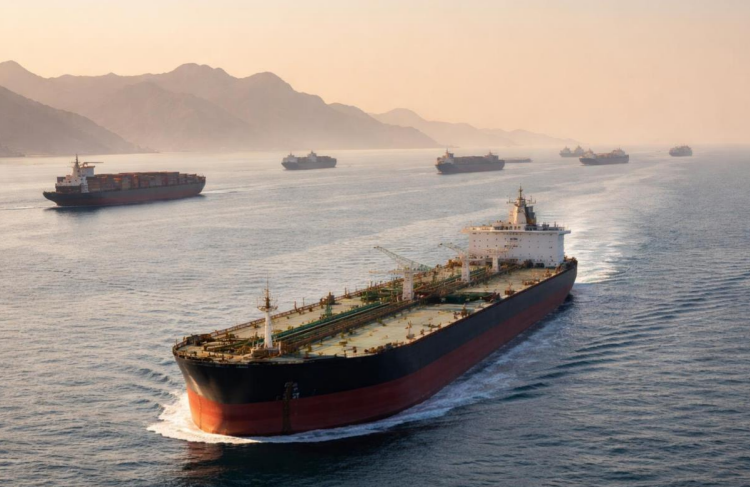
At the same time, global logistics companies and Gulf Shipping Costs operators are deploying emergency contingency strategies designed to maintain the flow of energy supplies and international trade. Shipping firms are adjusting routes, strengthening coordination with naval security patrols and preparing alternative supply chains to ensure cargo continues to move despite rising geopolitical risk.
The dual developments highlight the vulnerability of global maritime trade to regional conflicts and the growing financial burden faced by shipping operators navigating one of the world’s most important shipping corridors.
Rising Maritime Insurance Premiums
Marine insurers have significantly raised war-risk premiums for vessels operating in Gulf waters, particularly those transiting near the Strait of Hormuz. Industry analysts say the insurance costs for oil tankers and cargo ships have surged as underwriters respond to heightened geopolitical risks in the region.
War-risk insurance, which protects vessels against damage from military conflict, missile strikes or terrorist incidents, is typically recalculated during periods of heightened security concerns.
According to maritime risk specialists and insurance brokers, premiums for ships entering high-risk zones have climbed from a small fraction of vessel value to significantly higher levels in recent weeks. For large oil tankers valued at more than $100 million, the additional war-risk insurance costs can translate into hundreds of thousands of dollars per voyage.
Shipping companies say these higher premiums are ultimately reflected in increased freight rates and energy transport costs across global markets.
The surge in insurance costs highlights how geopolitical developments can rapidly influence global trade economics. Insurers closely monitor intelligence reports, naval activity and security advisories issued by international maritime agencies before adjusting premiums. As tensions continue in the Gulf region, insurance companies have warned that rates could increase further if shipping lanes face additional threats or disruptions.
Strategic Importance of the Strait of Hormuz
The Strait of Hormuz remains one of the most vital chokepoints in global energy trade, linking the Persian Gulf to the Arabian Sea and connecting major oil-producing countries with international markets.
According to energy market estimates, approximately 20 million barrels of crude oil per day pass through the strait, accounting for nearly one-fifth of the world’s total oil supply transported by sea.
Energy exports from major producers including Saudi Arabia, the United Arab Emirates, Kuwait, Qatar and Iraq rely heavily on this narrow maritime passage. Liquefied natural gas shipments from Qatar, one of the world’s largest LNG exporters, also transit through the same route, supplying key markets in Asia and Europe.
Any disruption to traffic through the strait could therefore have immediate consequences for global energy prices and supply stability.
Maritime security analysts say the concentration of shipping activity within a relatively narrow corridor increases vulnerability during periods of geopolitical tension. Even temporary disruptions, security alerts or navigation restrictions can lead to delays, higher shipping costs and increased insurance premiums.
These risks underscore the strategic importance of maintaining safe passage through the strait for both energy producers and global consumers.
Shipping Companies Activate Contingency Plans
In response to rising risks, global shipping companies and logistics providers have begun activating contingency strategies aimed at protecting cargo flows and maintaining operational continuity.
Shipping operators are adjusting vessel routes, delaying departures from certain ports and coordinating closely with naval forces monitoring the region to ensure safe transit through Gulf waters.
Some companies are also exploring alternative shipping paths and adjusting logistics schedules to reduce exposure to high-risk areas. While the Strait of Hormuz remains the most direct route for transporting energy exports from the Gulf, logistics planners are evaluating backup strategies including temporary storage of cargo, diversified Gulf Shipping Costs schedules and enhanced monitoring of maritime security developments.
Major global freight operators have also increased communication with clients and energy traders to manage potential supply disruptions. These contingency measures are designed to prevent delays in fuel shipments and industrial supply chains, which could otherwise ripple across global markets.
Industry experts say that proactive planning by shipping firms has helped avoid major trade interruptions so far, though the situation remains fluid.
Impact on Global Trade and Energy Markets
Rising insurance premiums and shipping adjustments are already influencing global trade dynamics, particularly in the energy sector.
Higher freight and insurance costs increase the overall expense of transporting crude oil and natural gas, which can contribute to fluctuations in international energy prices. Energy traders closely monitor shipping conditions in the Gulf because even small disruptions can have significant effects on supply chains.
Financial markets have also responded to the uncertainty surrounding maritime routes in the region. Investors are paying close attention to developments affecting oil transport infrastructure and shipping lanes, as disruptions could influence global inflation and economic stability.
Countries heavily dependent on energy imports, particularly in Asia and Europe, are especially sensitive to any risks affecting Gulf shipping routes.
At the same time, maritime security experts emphasize that international naval patrols and coordinated monitoring have helped maintain overall stability in the region’s shipping lanes. Commercial vessels continue to transit through the Strait of Hormuz daily, ensuring that global trade flows remain largely uninterrupted despite heightened security concerns.
Conclusion
The surge in maritime insurance premiums and the activation of contingency logistics plans highlight the delicate balance between geopolitical stability and global trade operations.
As tensions around the Persian Gulf continue to influence risk assessments, Gulf Shipping Costs companies, insurers and energy markets are adapting to protect one of the world’s most critical maritime corridors.
While international shipping through the Strait of Hormuz continues, the evolving situation underscores how quickly geopolitical developments can reshape global trade economics.
For now, maritime operators and insurers remain vigilant, preparing for a range of scenarios while working to ensure that vital energy supplies and international commerce continue to flow through the Gulf’s strategic waterways.