
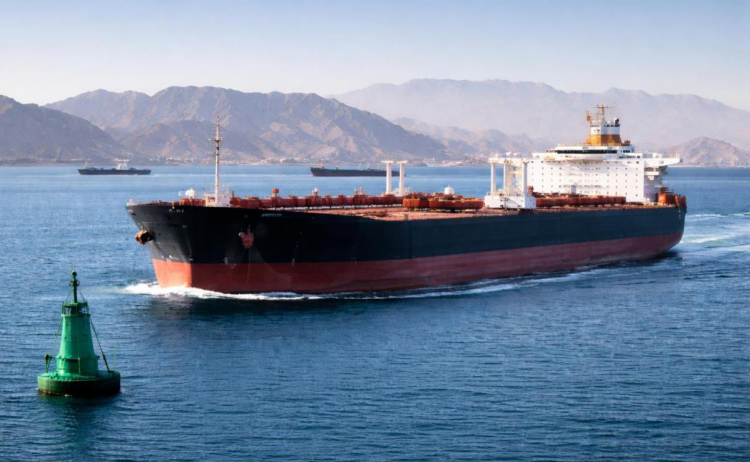
Global energy and financial markets witnessed a dramatic shift following Iran’s announcement that the Strait of Hormuz reopening to commercial shipping, marking a pivotal moment in the ongoing geopolitical crisis. The development comes after weeks of disruption that had severely constrained global oil supply chains and triggered volatility across commodities, equities, and currencies. As one of the world’s most critical maritime chokepoints handling nearly 20% of global oil trade—the reopening of the strait immediately altered market expectations and investor sentiment.
Oil prices reacted sharply to the news, falling by more than 10% within hours of the announcement, as traders rapidly unwound the geopolitical risk premium that had built up during the conflict. Brent crude dropped to around $88–90 per barrel, while U.S. crude fell toward the low $80 range, reflecting renewed confidence in supply normalization. The price correction signals a significant easing of fears that had previously pushed oil above $110 per barrel during peak tensions.
Financial markets mirrored this optimism. Global equities surged, with major indices posting strong gains amid improved investor confidence. The Dow Jones Industrial Average alone rose by over 800 points, while broader markets across Europe and Asia also recorded significant upward momentum. The synchronized response across asset classes underscores the central role of energy security in shaping global economic stability.
Strategic Importance of the Strait of Hormuz
The Strait of Hormuz reopening is widely regarded as the most strategically significant energy corridor in the world. Connecting the Persian Gulf to global markets, the narrow passage facilitates the transit of millions of barrels of crude oil and liquefied natural gas each day. Its geographical position makes it indispensable for major oil-exporting nations such as Saudi Arabia, Iraq, the UAE, and Iran, whose economies are heavily dependent on uninterrupted maritime exports.
The recent crisis highlighted the vulnerability of global energy systems to disruptions in this region. The temporary closure of the strait earlier in 2026 triggered one of the largest supply shocks in modern history, sending oil prices to multi-year highs and raising concerns about inflation, economic slowdown, and energy security worldwide. The reopening therefore represents not just a logistical shift, but a critical step toward restoring stability in global energy markets.
However, experts caution that the reopening remains conditional and fragile. Iran has indicated that access to the strait is linked to ongoing ceasefire arrangements and broader geopolitical negotiations. This conditionality underscores the continued strategic leverage that the strait provides, effectively positioning it as a geopolitical tool capable of influencing global markets in real time.
Market Reaction: Oil Collapse and Equity Surge
The Strait of Hormuz reopening triggered an immediate and synchronized reaction across global financial markets. Oil prices experienced one of their sharpest single-day declines in recent years, falling by approximately 10–12% as supply concerns eased. This rapid correction reflects the extent to which geopolitical risk had been priced into energy markets during the period of disruption.
Equity markets responded with equal intensity. Investors interpreted the reopening as a sign of de-escalation, prompting a broad-based rally across global indices. In the United States, the Dow Jones surged by more than 800 points, while the S&P 500 and Nasdaq also recorded strong gains. European and Asian markets followed suit, with major indices posting significant advances as investor sentiment improved.
Currency and bond markets also reflected the shift in risk perception. The U.S. dollar weakened as safe-haven demand declined, while government bond yields adjusted in response to reduced inflation expectations. These movements highlight the interconnected nature of global financial systems, where changes in energy markets can rapidly cascade across multiple asset classes.
Geopolitical Context and Ceasefire Dynamics
The reopening of the Strait of Hormuz is closely tied to broader geopolitical developments, particularly the temporary ceasefire linked to the Lebanon-Israel conflict. The ceasefire, reportedly set for a limited duration, has created a window of relative stability that allowed for the restoration of commercial shipping routes. This linkage underscores the complex interplay between regional conflicts and global economic systems.
Despite the positive market reaction, underlying tensions remain unresolved. The United States has maintained a naval presence in the region, and elements of the blockade against Iran continue to be enforced. Additionally, Iranian authorities have issued cautious statements indicating that the reopening could be reversed if conditions deteriorate, highlighting the fragility of the current arrangement.
International responses have been mixed but generally supportive. Global leaders and organizations have welcomed the reopening as a step toward stability, while emphasizing the need for long-term agreements to ensure sustained access to the strait. Shipping companies, meanwhile, remain cautious, with many awaiting clearer security assurances before fully resuming operations.
Industry and Supply Chain Implications
The Hormuz reopening has immediate implications for global supply chains, particularly in the energy sector. Oil exporters are now positioned to resume shipments, potentially alleviating shortages that had begun to affect industries ranging from transportation to manufacturing. The restoration of supply flows is expected to stabilize prices and reduce inflationary pressures in the coming weeks.
For shipping and logistics companies, the development presents both opportunities and challenges. While the reopening enables the resumption of trade routes, concerns about safety, insurance, and regulatory clarity persist. Many firms are adopting a cautious approach, gradually reintroducing operations while monitoring geopolitical developments. This cautious optimism reflects the high stakes involved in navigating one of the world’s most volatile regions.
The broader economic impact extends beyond energy markets. Lower oil prices could ease cost pressures across multiple sectors, including aviation, manufacturing, and consumer goods. However, the extent of this benefit will depend on the durability of the reopening and the stability of the broader geopolitical environment.
Conclusion and Outlook
The Strait of Hormuz reopening marks a critical turning point in the ongoing geopolitical crisis, offering a temporary reprieve for global markets and supply chains. The sharp decline in oil prices and the surge in equity markets highlight the profound influence of energy security on the global economy. Yet, the situation remains far from resolved, with underlying tensions continuing to pose significant risks.
Looking ahead, the sustainability of the current stabilization will depend on the success of ongoing diplomatic efforts and the durability of ceasefire agreements. Any disruption to these arrangements could quickly reverse the gains seen in recent days, underscoring the volatility inherent in the current environment. Markets are likely to remain highly sensitive to developments in the region, with even minor changes capable of triggering significant reactions.
Ultimately, the events surrounding the Strait of Hormuz reopening illustrate the interconnected nature of geopolitics and economics in the modern world. As global markets continue to navigate this complex landscape, the ability to adapt to rapidly changing conditions will be essential for maintaining stability and growth.