A major strategic shift is underway in the Gulf region as leading oil-producing nations evaluate a massive $55 billion Gulf pipeline bypass Hormuz, one of the world’s most critical and vulnerable energy chokepoints. The proposal reflects growing urgency among Gulf producers to reduce reliance on a maritime corridor that handles nearly 20% of global oil and gas flows, but has recently faced severe disruption due to geopolitical tensions.
The proposed infrastructure would involve constructing twin pipelines stretching approximately 1,800 kilometers, potentially connecting southern Iraq through Kuwait and Saudi Arabia to ports in Oman. This route would allow oil exports to bypass Iranian-controlled waters entirely, significantly reducing geopolitical risk and ensuring continuity of supply to global markets.
The move comes in the wake of escalating tensions in the Gulf, where threats of tolls, blockades, and attacks on shipping have forced governments and energy companies to reconsider long-term export strategies. The Gulf pipeline bypass Hormuz project, though costly, is increasingly being viewed as a necessary investment in energy security and economic resilience.
Strategic Drivers Behind the Pipeline Proposal
The primary driver behind the proposed Gulf pipeline bypass Hormuz network is the growing vulnerability of the Strait of Hormuz, which has become a focal point of geopolitical risk. Recent conflict scenarios have demonstrated Iran’s ability to disrupt shipping routes through military action, including drones, missiles, and naval blockades.
Reports suggest that Iran could impose transit tolls of up to $2 million per ship or around $1 per barrel, potentially generating billions in revenue annually. Such developments have heightened concerns among Gulf producers, who fear that reliance on the strait could translate into long-term economic and strategic disadvantage.
In response, Gulf nations are exploring infrastructure-based solutions rather than purely military or diplomatic approaches. The Gulf pipeline bypass Hormuz project represents a shift toward structural risk mitigation, enabling producers to secure export routes independent of geopolitical volatility in the region.
Limitations of Existing Bypass Infrastructure
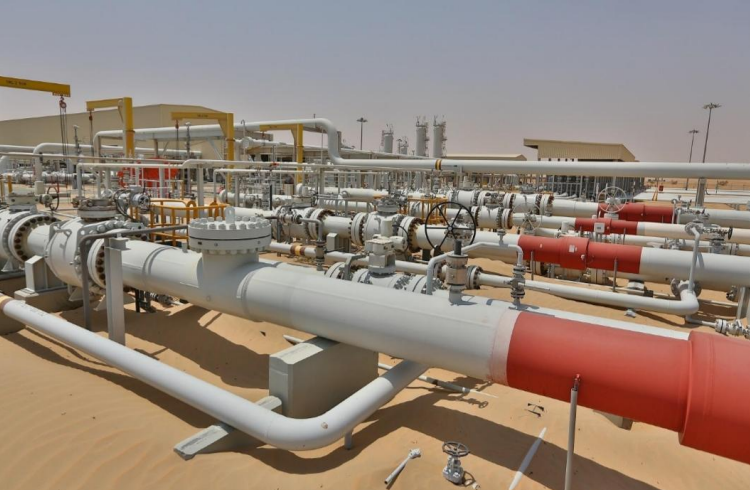
While Gulf countries already possess some pipeline infrastructure designed to bypass the Strait of Hormuz, these systems are limited in capacity and cannot fully replace maritime exports.
For example, Saudi Arabia’s East-West pipeline can transport up to 5 million barrels per day, while the UAE’s Habshan–Fujairah pipeline has a capacity of approximately 1.5 million barrels per day.
Despite these alternatives, they are currently operating near full capacity, highlighting the insufficiency of existing routes to handle total export volumes. Analysts note that the scale of oil flows through Hormuz—around 20 million barrels per day—far exceeds the capacity of current bypass systems.
This gap underscores the need for a larger, integrated Gulf pipeline bypass Hormuz network capable of handling substantial volumes of crude oil. The proposed $55 billion project aims to address this limitation by creating a high-capacity alternative that can operate independently of maritime constraints.
Economic Viability and Cost Considerations
The estimated cost of the pipeline project, approximately $55 billion, represents a significant financial commitment. However, analysts argue that the investment could be justified when compared to the long-term economic risks associated with continued reliance on the Strait of Hormuz.
The potential costs of disruption—including higher insurance premiums, shipping delays, production cuts, and price volatility—can far exceed the upfront investment in infrastructure. In this context, the pipeline is viewed not merely as an expense but as a strategic hedge against future crises.
Additionally, the project could generate long-term economic benefits by stabilising export flows, reducing transportation costs, and enhancing the competitiveness of Gulf oil in global markets. The ability to ensure uninterrupted supply is particularly critical as energy markets become increasingly sensitive to geopolitical shocks.
Geopolitical Risks and Implementation Challenges
Despite its strategic advantages, the pipeline project faces significant geopolitical and operational challenges. The proposed route would traverse multiple countries, requiring complex coordination, political agreements, and security arrangements.
Moreover, the infrastructure itself could become a target during conflicts. Recent attacks on existing pipelines and energy facilities have demonstrated that land-based routes are not immune to disruption, particularly from non-state actors and proxy forces in the region.
There are also broader geopolitical considerations, including the potential reaction from Iran, which may view the project as an attempt to undermine its strategic influence. The success of the pipeline will therefore depend not only on engineering and financing but also on diplomatic stability and regional cooperation.
Outlook
The evaluation of a $55 billion pipeline network marks a pivotal moment in the Gulf’s energy strategy, reflecting a shift from reliance on vulnerable maritime routes to resilient, land-based infrastructure. As geopolitical risks continue to reshape the global energy landscape, Gulf producers are increasingly prioritising long-term security over short-term cost considerations.
In the near term, the project remains in the assessment phase, with feasibility studies, political negotiations, and financial planning yet to be finalised. However, the urgency of the situation suggests that progress could accelerate, particularly if tensions in the Strait of Hormuz persist.
Looking ahead, the pipeline initiative has the potential to redefine global energy logistics, reducing dependence on one of the world’s most critical chokepoints. If successfully implemented, it would not only enhance regional stability but also strengthen the Gulf’s position as a reliable supplier in an increasingly uncertain global market.