A dramatic escalation has unfolded in the Gulf region as the United States intensifies its military posture in response to growing threats in the Strait of Hormuz Conflict. U.S. President Donald Trump has ordered naval forces to “shoot and kill” Iranian vessels suspected of laying mines or obstructing maritime traffic, signaling a shift from deterrence to direct engagement in one of the world’s most strategically vital waterways.
The directive comes amid a fragile ceasefire and escalating tensions between Iran and U.S.-led forces. Despite diplomatic efforts, repeated incidents—including ship seizures, mine threats, and aggressive naval maneuvers—have eroded confidence in stability across the region. The Strait of Hormuz Conflict, through which nearly 20% of global oil supply passes, has become the epicenter of both military confrontation and economic uncertainty.
This development marks a critical turning point in the ongoing conflict. The U.S. move underscores growing concerns about the security of global shipping routes and highlights the increasing likelihood of direct military confrontation. As both sides escalate their actions, the risks extend far beyond regional boundaries, threatening global trade, energy markets, and geopolitical stability.
Escalation of U.S. Military Strategy
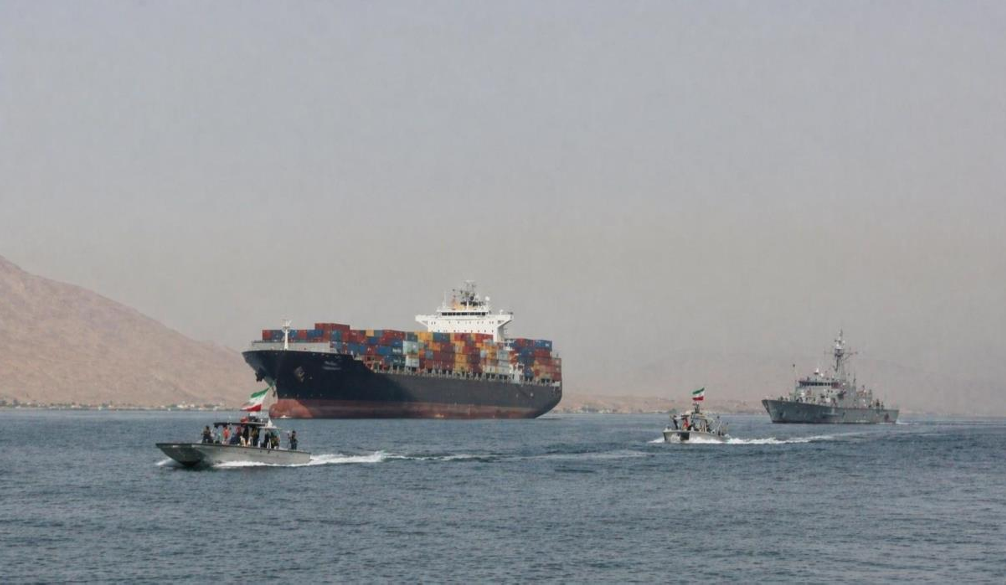
The U.S. decision to authorize lethal force against Iranian vessels represents a significant shift in military strategy. Previously focused on deterrence and surveillance, U.S. naval operations have now moved toward active engagement. The directive specifically targets Iranian small boats and fast-attack craft believed to be deploying naval mines in the Strait.
This escalation is closely tied to expanded mine-clearing operations. U.S. forces have reportedly increased their efforts to neutralize maritime threats, with minesweepers operating at significantly higher intensity. The directive to “shoot and kill” vessels laying mines reflects the urgency of ensuring safe passage for commercial shipping in the region.
Military analysts view this move as both a defensive and strategic signal. By demonstrating a willingness to use force, the United States aims to deter further Iranian actions while asserting control over the critical waterway. However, the approach also raises the risk of miscalculation, as even minor incidents could trigger broader conflict.
Iran’s Naval Tactics and Strategic Response
Iran’s approach to the Strait of Hormuz Conflict has centered on asymmetric naval tactics, particularly the use of small, fast-attack boats and mine warfare. These vessels, often operated by the Islamic Revolutionary Guard Corps (IRGC), are designed to exploit the narrow geography of the Strait of Hormuz Conflict and challenge larger naval forces.
Recent reports indicate that Iranian boats have been actively deploying mines and engaging in aggressive maneuvers against commercial shipping. These tactics have disrupted maritime traffic and heightened tensions, prompting a strong response from U.S. forces. Iran’s strategy reflects its broader doctrine of leveraging unconventional methods to counter technologically superior adversaries.
At the same time, Iran has continued to assert its control over the Strait, framing its actions as defensive measures against external aggression. The dual narrative—military assertiveness combined with political justification—has complicated efforts to de-escalate the situation. As both sides reinforce their positions, the potential for confrontation remains high.
Strategic Importance of the Strait of Hormuz
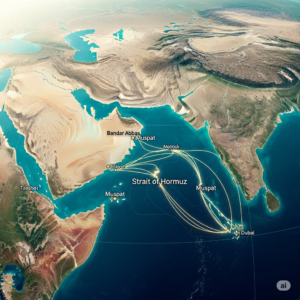
The Strait of Hormuz Conflict is one of the most critical maritime chokepoints in the world, serving as a gateway for oil exports from the Gulf to global markets. Approximately one-fifth of the world’s oil supply passes through this narrow waterway, making it indispensable to global energy security.
Any disruption in the Strait has immediate and far-reaching consequences. The current tensions have already led to reduced shipping activity, increased insurance costs, and delays in cargo movement. These disruptions are not limited to oil but extend to a wide range of goods, affecting global supply chains.
The strategic significance of the Strait also makes it a focal point for geopolitical competition. Control over this waterway provides leverage in international negotiations and the ability to influence global markets. As a result, developments in the Strait are closely monitored by governments, businesses, and investors worldwide.
Global Economic and Energy Implications
The escalation in the Gulf has had a direct impact on global energy markets. Oil prices have surged amid fears of prolonged disruption, with Brent crude crossing the $100 per barrel mark. This increase reflects both supply concerns and heightened geopolitical risk.
Higher energy prices have broader economic implications, contributing to inflation and affecting economic growth worldwide. Countries heavily dependent on oil imports, such as India and many European nations, are particularly vulnerable to these fluctuations. The ripple effects extend to industries ranging from transportation to manufacturing.
Financial markets have also reacted to the uncertainty. Investors are increasingly cautious, with volatility rising across global indices. The situation in the Gulf underscores the interconnected nature of modern economies, where regional conflicts can have global consequences.
Conclusion
The U.S. decision to authorize “shoot-to-kill” actions in the Strait of Hormuz Conflict marks a significant escalation in an already volatile conflict. While aimed at ensuring maritime security, the move also raises the stakes, increasing the risk of direct confrontation between major powers.
Looking ahead, the trajectory of the crisis will depend on both military developments and diplomatic efforts. A de-escalation would require renewed negotiations and confidence-building measures, but the current environment suggests that tensions may persist in the near term.
Ultimately, the situation highlights the fragile balance between security and stability in global geopolitics. As the Strait of Hormuz remains at the center of the crisis, its future will play a निर्णायक role in shaping not only regional dynamics but also the broader global economic landscape.