Global commodity markets have been jolted by a sharp Aluminium Price Surge following missile and drone strikes on key industrial facilities in the Gulf. Within the past 12 hours, benchmark aluminium prices on the London Metal Exchange (LME) climbed nearly 6%, reaching approximately $3,492 per metric ton, their highest level in four years.
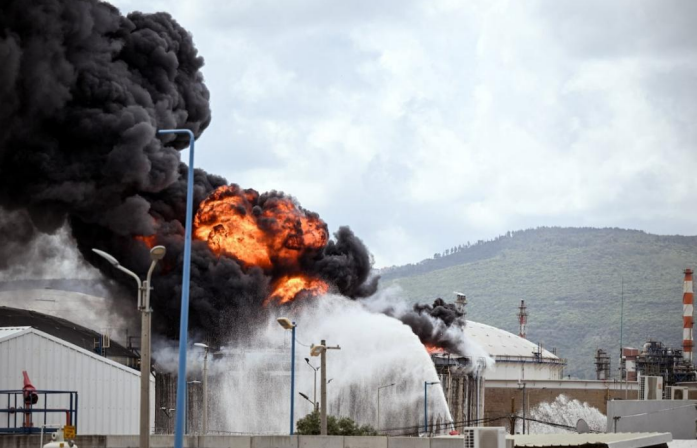
The immediate trigger for this surge was a series of Iranian attacks targeting major Aluminium Price Surge smelters in the Gulf region, particularly in Bahrain and the United Arab Emirates. These facilities operated by Aluminium Bahrain (Alba) and Emirates Global Aluminium (EGA) are among the largest producers globally, making the incident highly consequential for international supply chains.
This development reflects a broader shift in global commodity dynamics, where geopolitical tensions are increasingly influencing industrial metals markets. While oil has traditionally been the focal point during Middle East crises, Aluminium Price Surge has now emerged as a critical casualty, highlighting the interconnectedness of modern supply chains and global manufacturing.
Impact of Attacks on Gulf Aluminium Infrastructure
The recent attacks directly targeted two of the most significant aluminium producers in the world: Aluminium Bahrain and Emirates Global Aluminium. Alba operates the world’s largest single-site smelter, while EGA is the Middle East’s largest aluminium producer, making them central pillars of global supply.
Initial reports indicate that the strikes caused significant structural damage to facilities and injured workers, forcing companies to assess operational disruptions. In the case of Alba, parts of production capacity had already been reduced, with around 19% of output impacted, further tightening supply conditions.
The targeting of industrial infrastructure marks a critical escalation in the conflict. Unlike previous geopolitical tensions that primarily affected energy flows, the direct disruption of manufacturing hubs signals a shift toward economic warfare, where industrial output itself becomes a strategic vulnerability.
Global Supply Chain Disruption and Market Reaction
The Gulf region plays a disproportionately important role in global aluminium supply, accounting for approximately 9% of total global production, with a significant portion exported to Europe and the United States.
However, the ongoing conflict has effectively disrupted shipping routes, particularly through the Strait of Hormuz, a critical chokepoint for global trade. As a result, aluminium shipments from the Gulf have been severely constrained, limiting supply to major industrial economies.
Markets reacted swiftly to these disruptions. The LME aluminium price surged to multi-year highs, while regional premiums in Europe and the United States increased sharply. Additionally, shares of mining and alumina companies, including firms like Rio Tinto and South32, recorded gains as investors anticipated tighter supply and higher margins.
Broader Commodity Market and Industrial Implications
The aluminium price surge is part of a wider commodities rally driven by geopolitical instability. Alongside aluminium, other base metals such as zinc, lead, and tin have also recorded gains, reflecting broader concerns about industrial supply chains.
Aluminium holds a critical position in modern economies, being widely used in construction, automotive manufacturing, packaging, and renewable energy systems. Any sustained increase in prices is therefore likely to have cascading effects across multiple industries, from infrastructure development to consumer goods.
Moreover, the current situation highlights structural vulnerabilities in global supply chains. With inventories already low—LME stocks having declined significantly in recent months, the market is particularly sensitive to disruptions, amplifying price volatility and increasing the risk of prolonged shortages.
Geopolitical Dynamics and Strategic Risks
The aluminium surge underscores the expanding economic consequences of the broader Middle East conflict. What began as a geopolitical confrontation has now evolved into a multi-dimensional crisis affecting energy, metals, and global trade flows.
The effective closure or disruption of the Strait of Hormuz has compounded the situation, as it not only impacts oil shipments but also restricts the movement of industrial commodities. This dual impact has intensified concerns about global inflation and economic stability.
Analysts warn that if the conflict continues or escalates further, aluminium prices could climb even higher, potentially approaching levels last seen during the pandemic-era supply shocks. The situation also raises questions about long-term supply diversification and the resilience of global industrial systems.
Outlook
The surge in aluminium prices to a four-year high represents a significant turning point in global commodity markets. It illustrates how geopolitical tensions can rapidly translate into economic shocks, affecting industries far beyond the immediate conflict zone.
In the short term, markets are likely to remain volatile as investors monitor developments in the Gulf and assess the extent of supply disruptions. Any further damage to infrastructure or escalation in hostilities could intensify the supply squeeze and push prices even higher.
Looking ahead, the crisis may accelerate efforts to diversify supply chains and reduce reliance on geopolitically sensitive regions. However, given the Gulf’s central role in global aluminium production, such transitions will take time, leaving markets exposed to continued uncertainty in the near future.