
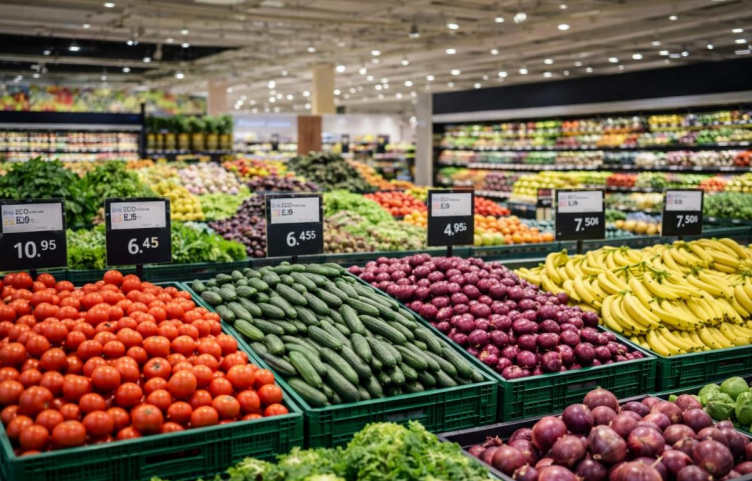
Shoppers across the United Arab Emirates have reported a noticeable increase in the prices of fruits and vegetables in recent days, prompting renewed attention to supply chain pressures and consumer food costs in the region. Residents in several emirates, including Dubai and Sharjah, say their grocery bills have climbed sharply within a short period, particularly for commonly purchased items such as onions, tomatoes, bananas, coconuts and leafy vegetables.
According to consumer reports and retail market observations, some UAE produce prices have risen between 20 and 30 percent, while certain items have nearly doubled compared with prices seen a week earlier. Analysts attribute the increase primarily to disruptions in global logistics and shipping routes as geopolitical tensions affect the Gulf region, raising transportation costs and insurance premiums for cargo moving through key maritime corridors such as the Strait of Hormuz, one of the world’s most important energy and trade chokepoints.
Shoppers Report Sudden Rise in Daily Grocery Bills
Consumers say the change in prices became noticeable during routine supermarket visits over the past several days. Many shoppers reported that items traditionally considered affordable staples had experienced the steepest increases, placing unexpected pressure on household grocery budgets.
According to customer feedback gathered from supermarkets across the UAE, the price of onions rose from around Dh1.50 per kilogram to nearly Dh5 in some stores, while tomatoes that were earlier priced between Dh2.75 and Dh3 per kilogram increased to approximately Dh5.5. Bananas, coconuts and certain imported fruits also registered higher retail prices in a number of supermarkets.
Residents say the increases are particularly noticeable because fresh produce forms a central component of everyday meals in many households. Even moderate price fluctuations can therefore significantly affect weekly spending. Several shoppers noted that while they are accustomed to seasonal variations in UAE produce prices, the scale and speed of the recent increase appear unusual.
Retail analysts say such consumer responses are common when price adjustments affect widely consumed goods. Unlike luxury products, food staples tend to draw immediate attention when their costs rise, making produce price changes one of the most visible indicators of shifting market conditions.
Import Dependence Exposes Market to Global Supply Disruptions
The UAE’s food supply relies heavily on international imports, making domestic prices sensitive to global shipping routes, freight charges and supply conditions. Fresh fruits and vegetables, in particular, are sourced from a diverse network of suppliers across Asia, Europe and Africa, requiring consistent logistics operations to maintain stable market availability.
Because many shipments enter the Gulf through the Strait of Hormuz, any disruption or uncertainty in that corridor can influence transport costs almost immediately. Insurance premiums for vessels and cargo shipments have reportedly increased amid regional tensions, which in turn raises the overall cost of moving goods into Gulf markets.
Market analysts say this dependence on maritime trade routes is one of the primary reasons food prices in the region can react quickly to geopolitical developments. Even temporary shipping delays can affect fresh produce because these goods have shorter shelf lives and often require faster delivery schedules.
Economists also note that global food supply chains are influenced by multiple cost factors beyond transportation. Rising fuel prices, agricultural input costs and currency fluctuations can collectively push wholesale prices upward before they reach retail outlets.
Role of Logistics and Transport Costs
Industry observers say fresh produce tends to be among the first product categories affected when logistics costs increase. Fruits and vegetables are transported through tightly coordinated supply chains involving farms, exporters, shipping operators, distributors and retailers, leaving limited room to absorb sudden cost increases.
Ahmad Assiri, a research strategist at Pepperstone, noted that geopolitical developments often affect consumer markets through two main economic channels: energy costs and transportation expenses. Higher fuel prices raise shipping and trucking costs, while geopolitical uncertainty increases insurance and security expenses for cargo shipments.
These additional costs gradually move through supply chains before reaching consumers. Importers and distributors may attempt to absorb some of the increases initially, but sustained cost pressures eventually translate into higher retail prices, particularly for goods that must be transported quickly to maintain freshness.
Logistics specialists also point out that perishable goods require refrigeration, temperature-controlled containers and rapid delivery schedules. These factors make fruits and vegetables especially sensitive to increases in freight charges and fuel costs.
Retailers and Authorities Emphasise Supply Stability
Despite reports of rising prices, major retailers say the UAE produce prices food supply remains stable and well-managed. Supermarket operators note that short-term fluctuations in UAE produce prices are not uncommon and can result from seasonal supply changes, variations in international demand or temporary logistics adjustments.
Retail representatives from supermarket chain Choithrams said the company continues to comply with government pricing guidelines and maintains strong relationships with suppliers to ensure consistent product availability. They emphasised that while certain items may experience temporary price adjustments, overall supply remains steady.
Government authorities are also closely monitoring market conditions. The UAE Ministry of Economy operates a digital price monitoring system covering hundreds of retail outlets nationwide. The platform tracks pricing trends for essential consumer goods and helps authorities ensure transparency and consumer protection.
Officials have also encouraged residents to report unusual price spikes through official consumer protection channels, allowing regulators to investigate potential violations and maintain fair market practices.
Conclusion
The recent rise in fruit and vegetable prices highlights the interconnected nature of global supply chains and the sensitivity of food markets to geopolitical and logistical developments. In a region where a significant share of food supply depends on imports, even temporary disruptions in shipping routes or transportation costs can have visible effects on retail prices.
However, authorities and retailers say the UAE’s diversified sourcing network, strategic food reserves and strong logistics infrastructure help mitigate prolonged supply disruptions. As global shipping conditions stabilise and transportation costs normalise, analysts expect price pressures to ease.
For now, the episode underscores the importance of resilient food supply systems and careful market monitoring in ensuring that consumers continue to have reliable access to essential goods across the UAE produce prices.