Airspace closures across parts of the Middle East flights have triggered widespread disruption to international aviation networks as escalating regional tensions forced airlines to suspend operations and reroute flights through longer corridors. Major carriers including Emirates, Etihad Airways and Qatar Airways have adjusted schedules while several international airlines have cancelled or diverted flights to avoid high-risk airspace.
Aviation authorities and flight tracking agencies reported that more than 11,000 flights have been affected globally, impacting over one million passengers travelling between Asia, Europe and North America. The situation has created ripple effects across international aviation hubs as airlines scramble to reorganise schedules, reposition aircraft and assist stranded travellers.
Regional Airspace Closures Force Major Aviation Rerouting
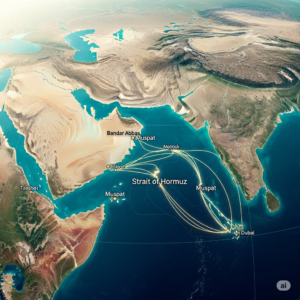
Several countries across the Middle East flights temporarily restricted access to their airspace after missile and drone activity raised safety concerns for civilian aviation. Aviation regulators issued notices advising airlines to avoid specific flight corridors in order to protect passenger aircraft from potential risks.
These restrictions have forced airlines to reroute aircraft through alternative paths over Central Asia, the Mediterranean and parts of the Indian Ocean. Aviation analysts note that such rerouting significantly increases flight distances and fuel consumption, particularly for long-haul routes connecting Europe and Asia.
As a result, airlines operating intercontinental flights have had to revise flight plans within hours, creating operational pressure on scheduling systems and airport logistics across multiple continents.
Gulf Carriers Adjust Operations Amid Safety Concerns
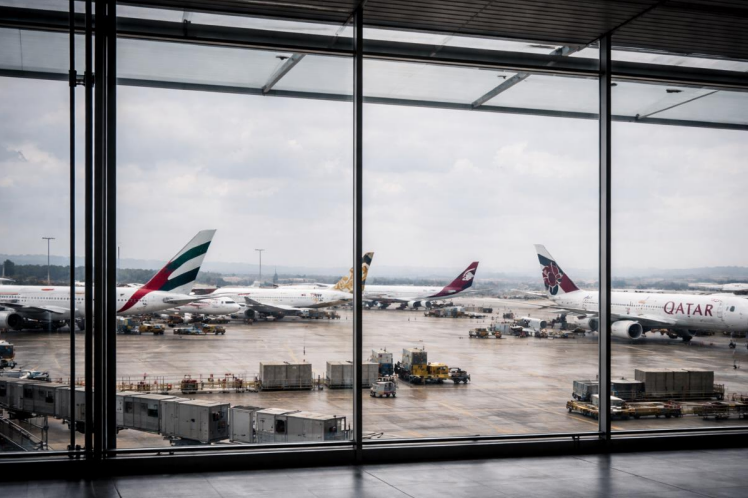
Major Gulf airlines including Emirates, Etihad Airways and Qatar Airways have announced temporary adjustments to their flight schedules as a precautionary measure. Several services have been delayed, cancelled or rerouted depending on airspace accessibility and real-time security updates.
Airlines said passenger safety remains their top priority and that they are closely coordinating with aviation authorities and international safety agencies before restoring normal flight operations. Airport authorities in Dubai, Abu Dhabi and Doha have also issued travel advisories urging passengers to check flight statuses before arriving at airports.
Despite disruptions, aviation officials confirmed that Gulf hubs continue to operate with enhanced monitoring and contingency planning to maintain essential connectivity.
Global Airlines Face Cascading Operational Challenges
The disruptions are not limited to regional carriers. International airlines from Europe, Asia and North America have also been forced to adjust flight routes, particularly on major corridors linking London, Paris, Frankfurt, Singapore and Delhi with destinations in the Gulf and beyond.
Industry data shows that aircraft travelling between Europe and Asia are among the most affected, as many traditional flight paths pass through Middle Eastern airspace. With those routes temporarily restricted, airlines are now taking longer detours that increase flight time by up to several hours.
Such operational changes have also affected aircraft rotation schedules and crew management, creating additional logistical challenges for airlines already dealing with tight global aviation capacity.
Passenger Impact and Airport Congestion
The disruption has left more than one million travellers dealing with cancellations, delays and unexpected travel changes. Airports across the Gulf have experienced increased congestion as passengers seek rebookings or alternative routes to reach their destinations.
Airlines have activated customer support measures, including flexible rebooking policies and accommodation assistance for passengers affected by cancelled services. However, the sudden scale of disruption has strained airline call centres and airport service desks.
Travel experts say the situation illustrates how geopolitical tensions in key aviation corridors can rapidly cascade through the global travel system, affecting passengers far beyond the immediate conflict zone.
Economic and Industry Implications
The aviation disruptions are also expected to carry financial consequences for airlines already facing high fuel costs and tight margins. Longer routes increase fuel consumption while cancellations reduce revenue and create additional compensation costs for carriers.
Global aviation organisations have warned that prolonged airspace closures could disrupt cargo logistics as well, potentially affecting high-value shipments such as electronics, pharmaceuticals and industrial components that depend on air freight routes through the Middle East flights.
Industry analysts note that the Middle East flights remains one of the world’s most critical aviation crossroads, linking Europe, Asia and Africa. Any sustained instability in the region therefore has the potential to reshape international flight patterns and increase operating costs across the global airline industry.