
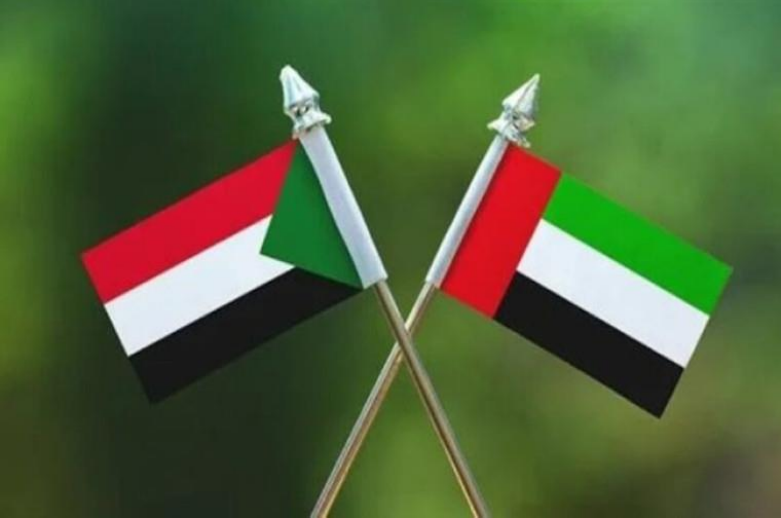
The United Arab Emirates (UAE) has reaffirmed its growing role as a key diplomatic force in the Middle East and Africa. In partnership with the United States, Saudi Arabia, and Egypt, the UAE Sudan peace roadmap has aimed at restoring peace in Sudan, where months of violence have devastated communities and destabilized the region. The proposal centers on a humanitarian truce, an enforceable ceasefire, and a transitional political process that paves the way toward civilian rule.
A Collaborative Diplomatic Initiative
The joint effort by the UAE Sudan peace roadmap, US, Saudi Arabia, and Egypt demonstrates a rare show of regional and international unity. The peace roadmap has been described by diplomats as an essential step to ending the protracted conflict in Sudan, which has displaced millions and strained neighboring states.
According to regional observers, the UAE’s involvement underscores its commitment to long-term stability in Africa, especially given Sudan’s proximity to the Gulf and its strategic position along the Red Sea. By working alongside Riyadh, Cairo, and Washington, Abu Dhabi seeks to balance humanitarian concerns with regional security interests.
Focus on Humanitarian Relief
At the heart of the roadmap is a call for a humanitarian truce. This measure would allow aid agencies to deliver urgent assistance to the millions of Sudanese trapped in conflict zones. The UAE Sudan peace roadmap, which has already dispatched aid flights and medical supplies, is expected to scale up its humanitarian contributions once access is guaranteed.
Relief agencies have consistently stressed the need for secure corridors to deliver food, medicine, and shelter. The UAE’s diplomatic leverage in the region is seen as critical in pressuring warring factions to respect these corridors.
Ceasefire and Path to Stability
The proposed roadmap goes beyond short-term relief. It lays out a structured ceasefire agreement designed to halt hostilities and create an environment conducive to political dialogue. Unlike previous ceasefire attempts that quickly collapsed, this plan emphasizes international monitoring and accountability.
The UAE Sudan peace roadmap has been vocal about ensuring that any truce must be enforceable, preventing spoilers from derailing progress. By aligning with regional powers, Abu Dhabi aims to create a united front strong enough to push Sudan’s rival factions toward compromise.
Transition to Civilian Rule
Perhaps the most ambitious element of the plan is the framework for Sudan’s transition back to civilian governance. The roadmap envisions a transitional authority that includes diverse political and social groups, laying the foundation for democratic elections.
For the UAE Sudan peace roadmap, stability in Sudan is not only about regional peace but also about fostering governance systems that can endure without repeated military takeovers. Analysts suggest that Abu Dhabi sees a democratic transition in Sudan as a model that could inspire broader reforms across the region.
UAE’s Expanding Diplomatic Footprint
This latest move reinforces the UAE’s image as a proactive mediator in Middle Eastern and African conflicts. Over the past decade, the country has invested heavily in diplomatic initiatives, peacebuilding efforts, and development projects that extend beyond its borders.
By partnering with major powers like the US while coordinating closely with Saudi Arabia and Egypt, the UAE Sudan peace roadmap is carving out a unique role as a bridge between international actors and regional stakeholders. The Sudan peace roadmap highlights this strategic positioning.
Challenges Ahead
Despite the optimism, major challenges remain. Sudan’s warring sides have shown little willingness to compromise in the past, and the international community has struggled to maintain consistent pressure. Moreover, the humanitarian crisis continues to worsen, raising fears of famine and mass migration.
The UAE and its partners will need to demonstrate both persistence and flexibility to ensure that the roadmap translates into tangible progress. Observers note that without sustained diplomatic engagement and robust monitoring, the peace plan risks becoming another unfulfilled promise.
Conclusion: A Step Toward Stability
The UAE’s role in shaping a peace roadmap for Sudan illustrates its growing diplomatic influence and commitment to regional security. By advocating for a humanitarian truce, enforceable ceasefire, and civilian-led transition, Abu Dhabi is sending a strong signal that it intends to be at the forefront of conflict resolution in the Middle East and Africa.
While the challenges are significant, the UAE’s involvement offers renewed hope that Sudan can move toward peace and stability. This initiative not only strengthens the UAE’s global standing but also reflects its broader vision of promoting dialogue, cooperation, and long-term security in a volatile region.