A growing debate has emerged within the United Arab Emirates over the strategic value of hosting UAE US military bases debate, as recent regional conflict has exposed new vulnerabilities rather than guaranteed protection. Influential voices, including prominent political analysts and commentators, are openly questioning whether the long-standing security arrangement with the United States continues to serve the UAE’s national interests in a rapidly changing geopolitical landscape.
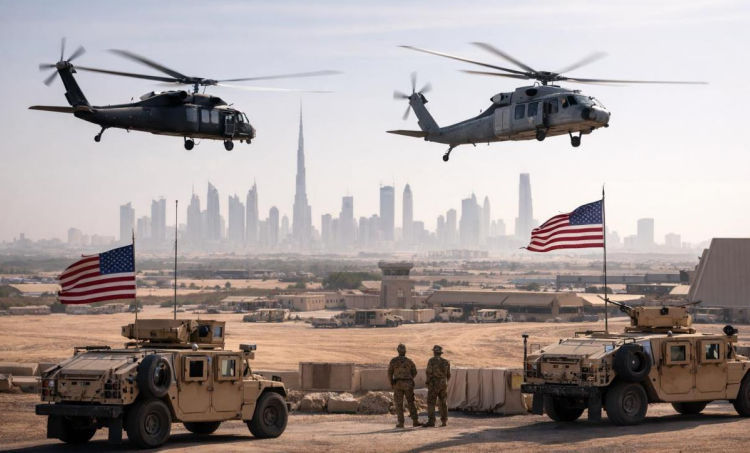
The debate has intensified in the aftermath of the 2026 Iran-related escalation, during which the UAE faced missile and drone attacks targeting locations linked to U.S. military presence. Analysts argue that these bases, historically viewed as deterrents, may now function as strategic liabilities by attracting hostile attention. One leading Emirati political scientist remarked that the bases “added little” to direct defense while potentially giving adversaries justification for retaliation.
This reassessment reflects a broader shift across Gulf nations, where traditional security alliances are being re-evaluated amid evolving threats, technological advancements in warfare, and changing global power dynamics. The UAE’s internal discourse highlights a critical question: whether reliance on external military protection remains viable in an era of asymmetric conflict and regional instability.
Rising Criticism of U.S. Military Presence
Criticism of U.S. military bases in the UAE has gained traction following recent attacks linked to regional tensions. Prominent Emirati academic Abdulkhaleq Abdulla has argued that the UAE successfully defended itself during Iranian strikes using its own capabilities, including advanced missile defense systems. He suggested that the presence of U.S. bases did not significantly contribute to protection during critical moments.
In fact, critics contend that these bases may have increased the UAE’s exposure to risk. By hosting foreign military infrastructure, the country became a visible target during the conflict, with adversaries explicitly linking their attacks to U.S. operations in the region. This perception has fueled concerns that the strategic cost of hosting such bases may outweigh their defensive benefits.
The debate is not limited to a single voice but reflects a broader sentiment among analysts and commentators. Calls for reassessment range from reducing dependency on foreign forces to reconsidering the long-term presence of U.S. bases altogether. While these views do not yet represent official policy, they indicate a shift in strategic thinking within influential circles.
Impact of the Iran Conflict on Security Perceptions
The ongoing conflict involving Iran has played a decisive role in reshaping security perceptions across the Gulf. The UAE was directly affected by missile and drone attacks following U.S.-aligned military actions, highlighting the risks associated with being part of a broader geopolitical confrontation. Reports indicate that Iran targeted locations linked to U.S. military assets in multiple Gulf countries, including the UAE.
Despite these attacks, the UAE demonstrated significant defensive capability. Its air defense systems successfully intercepted a large number of incoming threats, including hundreds of ballistic missiles and drones. This operational success has strengthened arguments that the country can increasingly rely on its own military infrastructure rather than external forces.
At the same time, the conflict exposed the limitations of existing security arrangements. While U.S. bases provide strategic support and deterrence, they did not prevent attacks on host nations. This has led to a reassessment of whether such arrangements are sufficient in addressing modern security challenges, particularly those involving rapid, decentralized threats.
Strategic Reassessment and Policy Debate
The current discourse in the UAE reflects a broader strategic reassessment rather than an immediate policy shift. Officials have maintained that the partnership with the United States remains important, but there is growing emphasis on balancing this relationship with greater self-reliance.
One key aspect of this reassessment is the focus on enhancing domestic defense capabilities. Analysts argue that investing in advanced weapon systems and technology may offer more effective protection than hosting foreign bases. This approach aligns with the UAE’s broader strategy of modernizing its military and reducing dependence on external actors.
At the same time, there is recognition that any changes to the U.S. military presence would need to be carefully managed. The relationship between the UAE and the United States extends beyond defense, encompassing economic, technological, and diplomatic cooperation. As such, any reassessment is likely to be gradual and conducted in coordination with Washington.
Regional and Global Implications
The debate in the UAE has implications that extend beyond national borders. Gulf countries have historically relied on U.S. military presence as a cornerstone of regional security. A shift in this approach could influence security strategies across the Middle East, prompting other nations to reconsider their own arrangements.
Moreover, the reassessment comes at a time when global power dynamics are evolving. Gulf states are increasingly exploring relationships with other major powers, including China and Russia, as part of a broader effort to diversify strategic partnerships. This trend reflects a move toward a more multipolar approach to security and diplomacy.
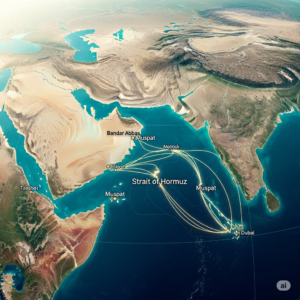
The potential recalibration of U.S. military presence in the Gulf could also affect global energy security. The region remains a critical hub for oil production and shipping, and any changes in security arrangements could impact the stability of supply routes such as the Strait of Hormuz. As a result, the issue is closely watched by international stakeholders.
Conclusion and Outlook
The questioning of U.S. military bases in the UAE marks a significant moment in the evolution of Gulf security policy. While the alliance between the UAE and the United States remains strong, the current debate highlights the need for adaptation in response to changing geopolitical realities. The experiences of recent conflicts have underscored both the strengths and limitations of existing arrangements.
Looking ahead, the UAE is likely to pursue a more balanced approach that combines continued cooperation with the United States and increased investment in domestic capabilities. This strategy reflects a broader trend toward strategic autonomy, where nations seek to maintain flexibility in an uncertain global environment.
Ultimately, the outcome of this debate will shape not only the UAE’s security framework but also the broader dynamics of the Gulf region. As countries navigate the complexities of modern conflict and shifting alliances, the emphasis is increasingly on resilience, adaptability, and the ability to respond independently to emerging threats.