The United Arab Emirates continues to expand its role in global trade and investment, supported by strong non-oil economic activity, international partnerships and infrastructure development.
According to figures presented by UAE Minister of Foreign Trade Dr Thani bin Ahmed Al Zeyoudi at the AIM Investment Summit 2026 in Dubai, the country’s non-oil foreign trade reached AED 1.9 trillion during the first half of 2026. The figures underline the growing importance of trade beyond the country’s traditional oil-based economy.
The development comes as the UAE continues to position itself as a strategic business hub connecting markets across Asia, Europe, Africa and the Middle East.
Non-Oil Trade Becomes a Key Economic Driver
The UAE has increasingly focused on strengthening sectors outside hydrocarbons, including logistics, technology, manufacturing, financial services, tourism and international trade.
The AED 1.9 trillion non-oil foreign trade figure for H1 2026 reflects the scale of the country’s international commercial activity. Government officials have highlighted infrastructure, business-friendly regulations and international partnerships as important elements supporting this expansion.
For businesses operating in the UAE, continued growth in international trade can create opportunities across supply chains, logistics, professional services and technology-enabled commerce.
Dubai Continues to Attract Global Business Activity
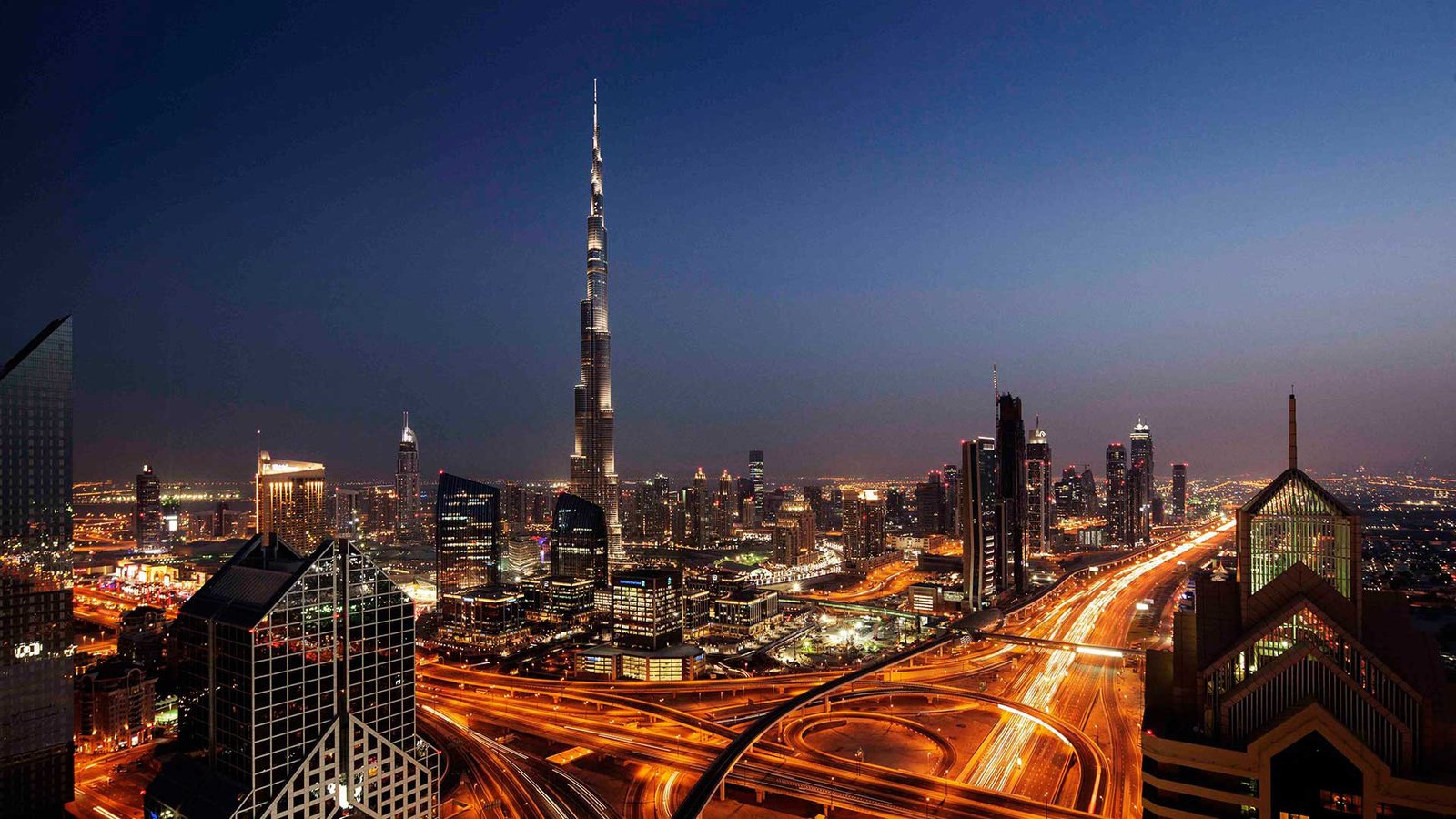
Dubai remains an important centre for international business, investment and entrepreneurship within the UAE. The emirate’s logistics infrastructure, financial markets and international connectivity have supported its position as a regional commercial centre.
Recent developments are also expanding connectivity between major UAE cities. Etihad Rail has introduced passenger services connecting Dubai and Abu Dhabi, while additional weekend services have been announced to meet passenger demand.
Improved transport connectivity can also support business mobility, tourism and economic activity between the country’s major commercial centers.
UAE Expands International Investment Relationships
The UAE’s international economic strategy is also reflected in its engagement with overseas investors and governments.
During the United Nations General Assembly period in New York, the UAE held its inaugural UAE Investment Majlis, bringing together government representatives, investors, business executives and other stakeholders. Discussions focused on areas including smart logistics, digital trade, ports, infrastructure and resilient supply chains.
These initiatives demonstrate the country’s continuing focus on attracting investment while developing international economic partnerships.
India-UAE Economic Cooperation Gains Momentum
The UAE’s economic expansion is also closely connected with its growing relationship with India.
Recent reports indicate that the UAE has signaled plans for an additional $25 billion investment in India, with potential investment areas including energy, ports, shipbuilding, space technology, startups, financial markets and Fintech. The two countries are also targeting substantial growth in bilateral trade.
The relationship provides opportunities for companies operating across both markets, particularly in logistics, infrastructure, technology, energy and financial services.
Investment and Market Activity
Investor participation in the UAE’s financial markets has also remained an important part of the country’s economic story.
The Dubai Financial Market added approximately 64,416 new investor accounts during the first nine months of 2026, according to a report published October 2. The development reflects continued participation in Dubai’s capital markets, although market performance can vary according to domestic and international conditions.
At the same time, UAE stock markets experienced declines on October 2 amid geopolitical uncertainty and stalled US-Iran negotiations, highlighting the impact that regional developments can have on investor sentiment.
What the Latest Developments Mean for UAE Businesses
The latest trade and investment developments point toward an increasingly diversified UAE economy.
For businesses, several areas could remain particularly significant:
- International trade and logistics
- Technology and digital services
- Financial services and fintech
- Manufacturing
- Infrastructure development
- Tourism and hospitality
- Cross-border investment
- AI and smart logistics
The combination of international connectivity, infrastructure investment and economic diversification continues to shape the UAE’s business environment.
UAE Economy Looks Beyond Oil
The latest trade figures reinforce the UAE’s long-term emphasis on economic diversification. While energy remains important to the country’s economy, expanding non-oil trade, investment and international partnerships are becoming increasingly prominent components of its growth strategy.
With businesses and investors continuing to explore opportunities across the UAE, developments in trade, technology, infrastructure and cross-border investment are likely to remain important areas to watch through 2026.
Conclusion
The UAE’s AED 1.9 trillion non-oil foreign trade during the first half of 2026 highlights the scale of its international commercial activity. Combined with growing investment relationships, improved connectivity and expanding business opportunities, the developments underline the country’s continued efforts to strengthen its position as a global trade and investment hub.
To Read More Such News Visit The Gulf Times .