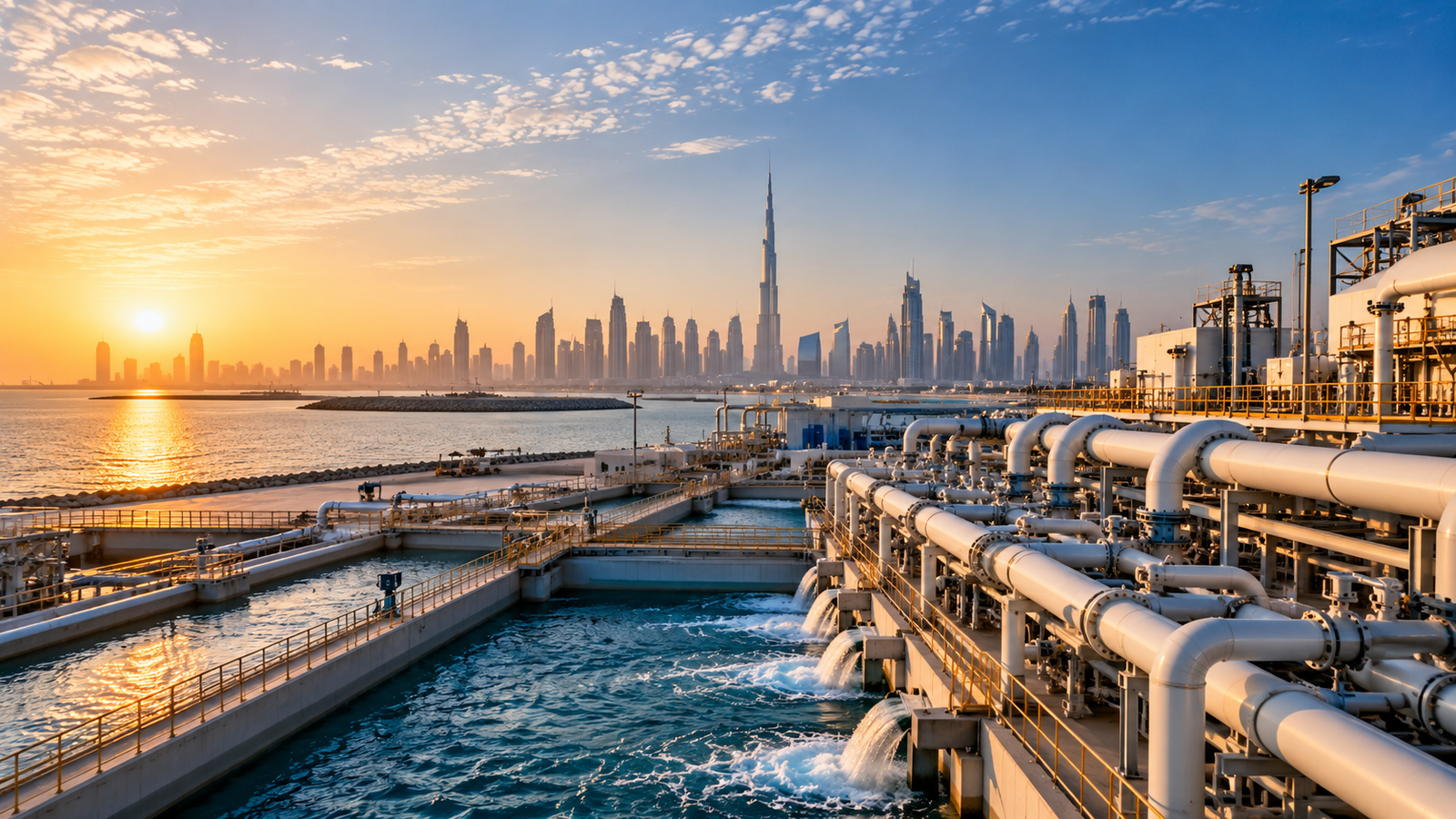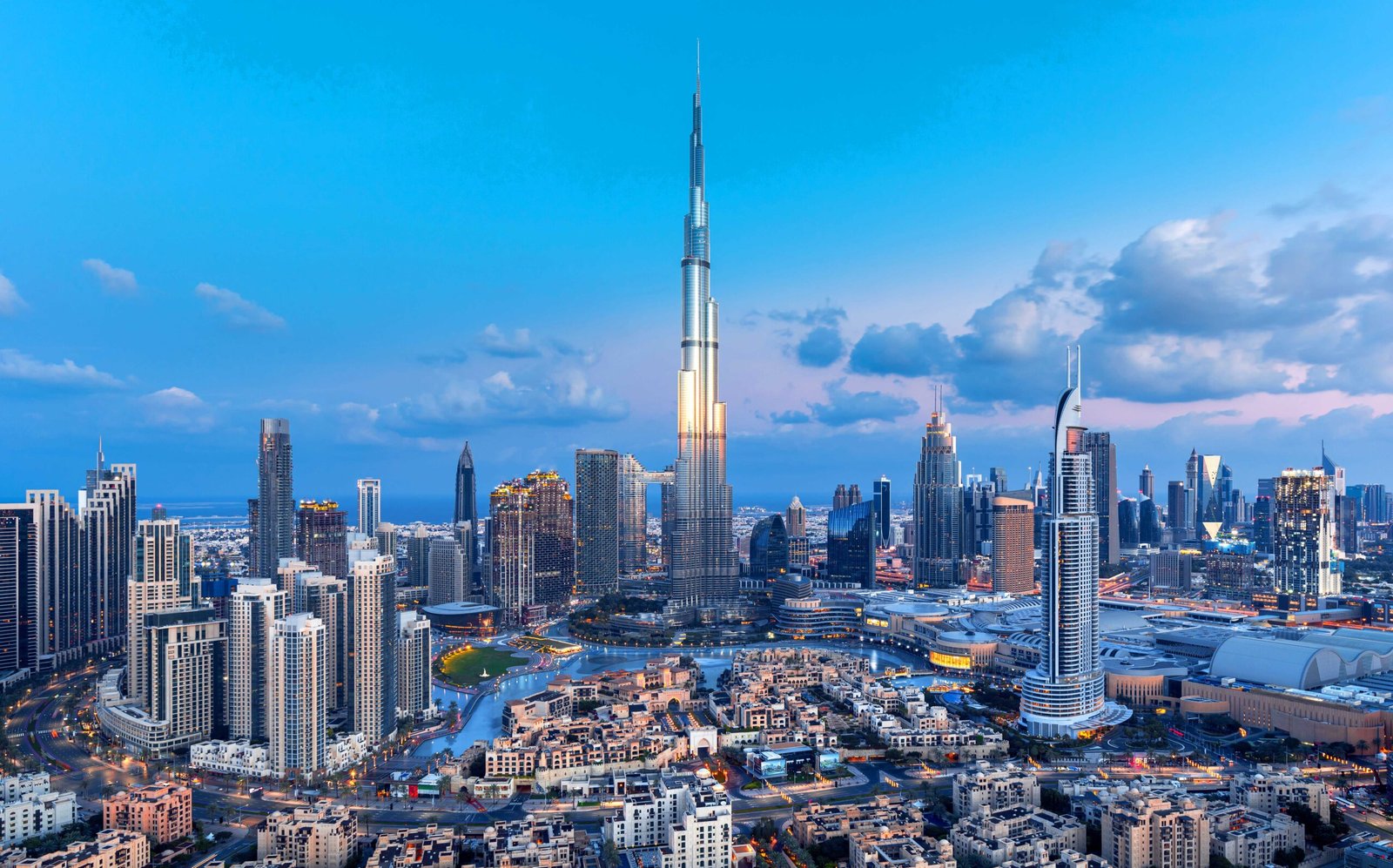
The UAE is expanding its clean-energy ambitions beyond solar power, with investments in energy storage, advanced infrastructure and technologies aimed at supporting a more sustainable energy future.
Beyond Solar Panels: How the UAE Is Expanding Its Clean Energy Future
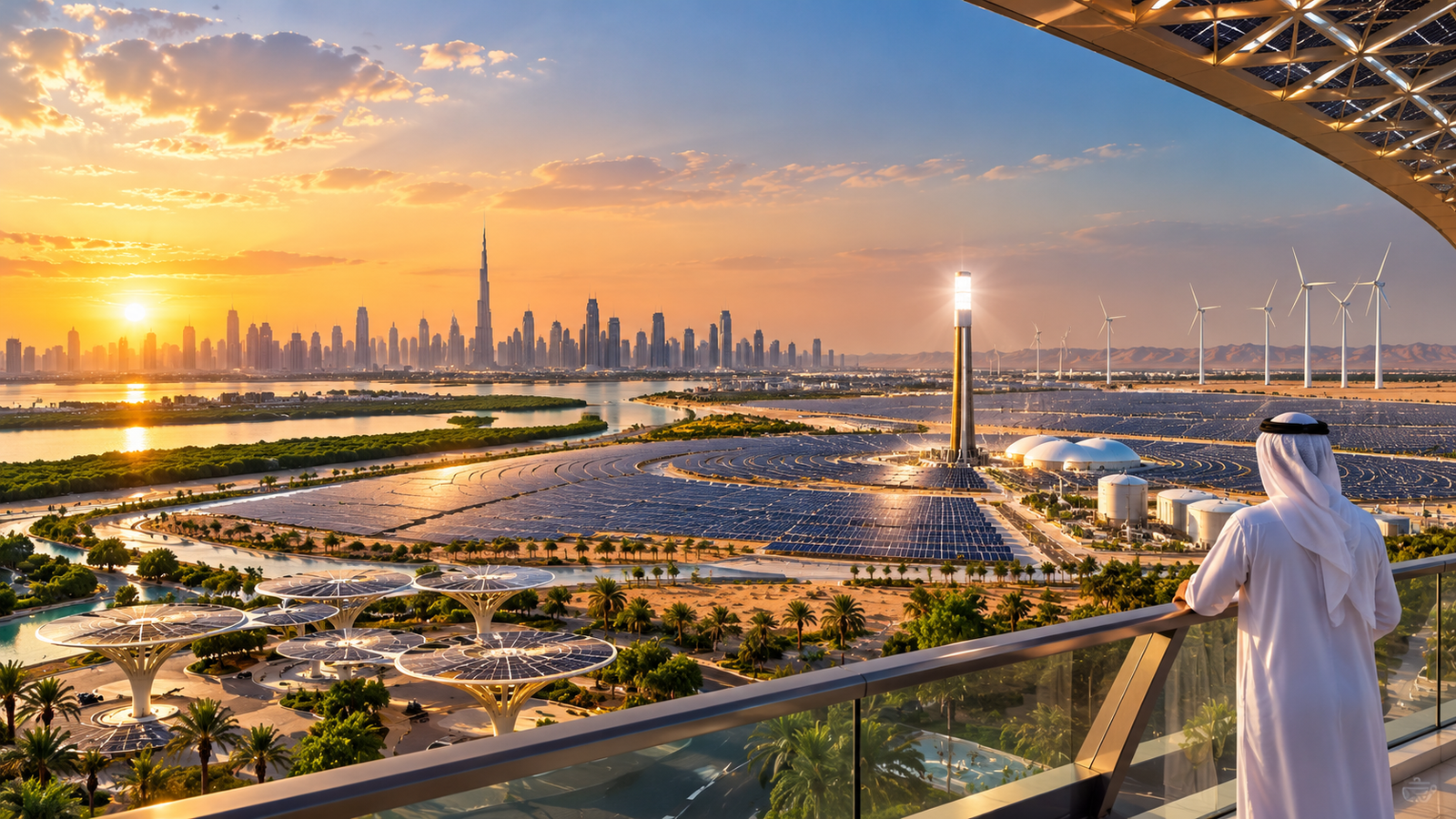
The UAE’s transition towards a cleaner energy future is moving beyond solar panels, with new investments in battery storage, renewable energy infrastructure and technologies designed to strengthen long-term energy security. As electricity demand grows alongside the country’s economic development, clean energy is becoming an increasingly important part of the UAE’s national energy strategy.
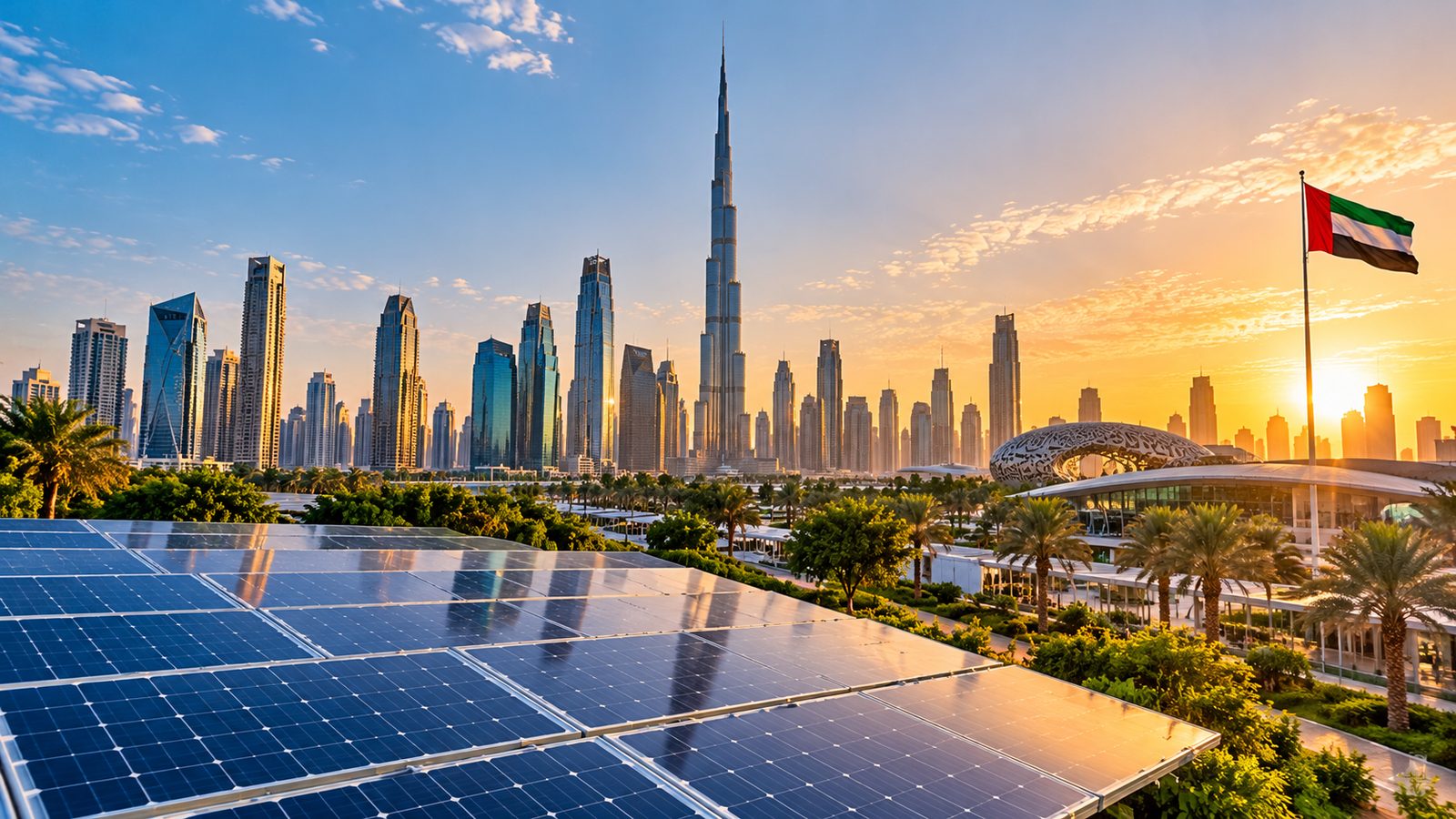
One of the key developments is Dubai’s Mohammed bin Rashid Al Maktoum Solar Park, whose installed production capacity has reached 3,860 megawatts (MW). The project is planned to exceed 8,000 MW by 2030, making it a major part of Dubai’s clean-energy expansion.
A significant part of the next phase involves combining solar power with large-scale battery storage. The planned seventh phase will add 2,000 MW of solar capacity alongside a 1,400 MW battery energy storage system capable of storing 8,400 megawatt-hours (MWh) of electricity. The storage system is designed to help manage the gap between when renewable electricity is generated and when it is needed.
Why Energy Storage Matters
Solar panels generate electricity during daylight hours, but electricity demand continues after sunset. Battery storage can retain surplus electricity and release it when required, helping improve the flexibility and reliability of the power system. By combining solar generation with storage, energy providers can make better use of renewable electricity rather than relying solely on the timing of sunlight.
The UAE’s clean-energy development also extends beyond Dubai. In Abu Dhabi, the Department of Energy launched the second phase of its Solar Energy Self-Supply Policy in March 2026, expanding the initiative to residential properties. The policy enables eligible villa owners and residential buildings to generate and store electricity through rooftop solar systems while integrating their usage with the electricity grid.
UAE Strengthens Its Long-Term Clean-Energy Ambitions
The country’s broader Energy Strategy 2050 aims to increase renewable energy contributions, improve energy efficiency and encourage investment in low-emission technologies. The UAE has set targets that include raising clean-energy generation to 35% by 2031 and increasing installed clean-energy capacity to more than 28 gigawatts.
These ambitions are also linked to economic development, innovation and energy security. Expanding renewable generation, improving storage capabilities and supporting distributed solar installations can help diversify electricity sources while creating opportunities for investment and specialised skills.
However, the transition also involves challenges, including the cost of infrastructure, the integration of variable renewable power into the grid and the need for effective energy management as demand increases. Continued investment in technology, planning and grid infrastructure will be important to achieving the UAE’s targets.
As the UAE advances its clean-energy plans, the focus is increasingly shifting from generating renewable electricity alone to building a more integrated energy system. Solar power, battery storage and smarter electricity infrastructure are expected to play complementary roles in supporting the country’s long-term sustainability objectives.
For more updates on the UAE’s latest news, clean energy developments, and sustainability initiatives, visit The Gulf Time and stay informed about the stories shaping the region’s future.

Subscribe to Our Newsletter
Keep in touch with our news & offers