
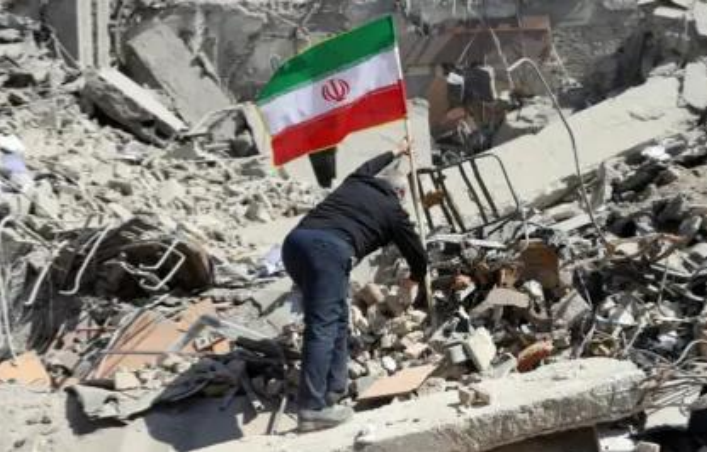
A potential turning point has emerged in the escalating conflict between the United States and Iran, as a new ceasefire framework has reportedly been proposed to halt hostilities and stabilise the region. According to diplomatic sources, the proposal outlines an immediate cessation of military actions, followed by structured negotiations aimed at reaching a broader agreement within 15 to 20 days.
This development comes amid intensifying global concern over the economic and geopolitical consequences of the conflict.
The proposal is believed to involve indirect mediation through regional intermediaries, reflecting the complexity of diplomatic engagement between Washington and Tehran. While both sides have yet to formally confirm acceptance, early indications suggest cautious openness to dialogue, driven in part by mounting international pressure.
The timing of the ceasefire initiative is particularly significant, as it coincides with severe disruptions in global energy markets, including the effective blockade of the Strait of Hormuz. The conflict has already triggered a surge in oil prices and heightened fears of a prolonged global economic shock, making diplomatic resolution increasingly urgent.
Origins and Structure of the Ceasefire Framework
The US-Iran Ceasefire Proposal reportedly includes a phased approach designed to reduce tensions while creating space for negotiations:
Initial Phase:
Calls for an immediate halt to airstrikes, missile launches, and naval operations, particularly in sensitive zones such as the Persian Gulf and surrounding maritime routes.
Subsequent Phases:
Expected to focus on confidence-building measures, including the reopening of critical shipping lanes and the restoration of safe passage through the Strait of Hormuz.
Long-term Goals:
The framework envisions discussions on broader issues, including regional security arrangements and economic cooperation.
Geopolitical Context and Escalation Dynamics
The US-Iran Ceasefire Proposal initiative comes after weeks of escalating hostilities involving direct and indirect confrontations between US and Iranian forces. The conflict has expanded beyond traditional military targets to include:
- Energy infrastructure
- Shipping routes
- Strategic assets across the region
Recent developments, including strikes near critical infrastructure and high-level casualties on both sides, have significantly raised the stakes. The involvement of allied forces and regional actors has further complicated the situation, increasing the risk of a broader regional conflict.
Global Economic and Energy Implications
The conflict has had immediate and far-reaching effects on global energy markets, with oil prices rising above $110 per barrel amid fears of supply disruption. The Strait of Hormuz, a critical chokepoint for global oil shipments, has seen significant restrictions, contributing to market volatility.
Market Impact:
A successful US-Iran Ceasefire Proposal could lead to the gradual restoration of energy flows, easing pressure on global markets and potentially stabilising prices. This would have significant implications for inflation, particularly in energy-importing countries hit hardest by rising costs.
Financial markets have reacted positively to early reports of the US-Iran Ceasefire Proposal, with equities showing signs of recovery and safe-haven assets experiencing slight declines.
Diplomatic Challenges and Stakeholder Interests
Despite the potential benefits of a US-Iran Ceasefire Proposal
, significant challenges remain:
- Deep Mistrust: The relationship between the United States and Iran is characterised by firm positions on key issues and domestic political considerations.
- Regional Influence: Gulf states, European allies, and international organisations are advocating for de-escalation; their involvement is instrumental in facilitating negotiations.
- Monitoring: The implementation requires robust monitoring mechanisms to prevent violations and maintain trust.
Outlook
The proposed US-Iran Ceasefire Proposal represents a significant opportunity to de-escalate one of the most consequential conflicts in recent times. While the framework offers a pathway toward stability, its success will depend on the willingness of both sides to engage in meaningful dialogue and compromise.
In the short term, the focus remains on whether the ceasefire can be implemented and sustained. Early signs of cooperation could lead to a gradual reduction in tensions, but any breakdown in negotiations could quickly reverse these gains.