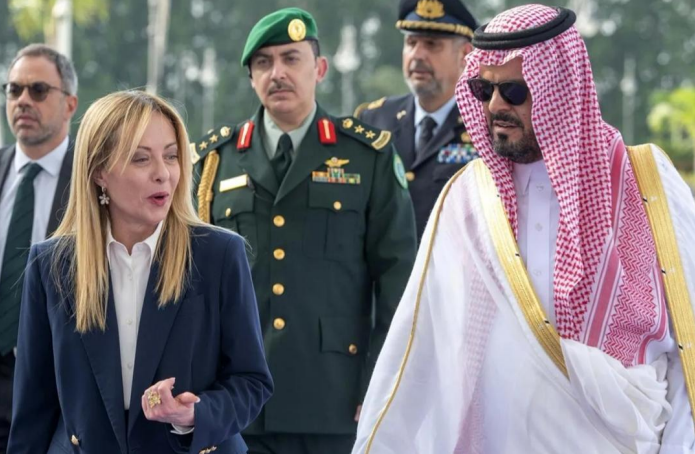
Italian Prime Minister Giorgia Meloni has embarked on a high-level diplomatic visit to Saudi Arabia, Qatar, and the United Arab Emirates, underscoring Europe’s urgent need to secure energy supplies amid escalating tensions in the Gulf region. The visit comes at a time when global energy markets are under significant strain due to geopolitical instability, disruptions in supply chains, and rising oil and gas prices. The Gulf, as a critical hub of global energy production, has become central to international diplomatic efforts aimed at ensuring stability and continuity of supply.
Meloni’s tour reflects a broader European strategy to strengthen ties with key Gulf nations, which play a pivotal role in global energy markets. As traditional supply routes face uncertainty, European countries are increasingly turning to the Middle East to diversify their energy sources and reduce dependency on volatile regions. The visit is therefore not only diplomatic but also deeply strategic, focusing on long-term partnerships and economic resilience.
In addition to Energy security diplomacy concerns, the trip highlights growing geopolitical coordination between Europe and Gulf nations. With the region experiencing heightened military activity and security challenges, the need for diplomatic engagement has intensified. Italy’s proactive approach signals a recognition of the Gulf’s importance in both economic and security frameworks.
Energy Security at the Core of Diplomatic Engagement
A primary objective of Meloni’s visit is to secure stable energy supplies for Italy and the broader European Union. Gulf nations such as Qatar and Saudi Arabia are among the world’s largest exporters of liquefied natural gas and crude oil, making them essential partners in addressing Europe’s energy needs. As global markets remain volatile, ensuring consistent access to these resources has become a top priority.
Discussions during the visit are expected to focus on long-term energy agreements, including potential increases in LNG exports and expanded cooperation in energy infrastructure. Qatar, in particular, has emerged as a key supplier for Europe, offering an alternative to traditional energy sources that have become less reliable due to geopolitical tensions.
The visit also underscores the urgency of energy diversification. By strengthening ties with multiple Gulf countries, Italy aims to build a more resilient energy network that can withstand disruptions. This strategy aligns with broader European efforts to enhance Energy security diplomacy and reduce exposure to external shocks.
Geopolitical Context and Rising Regional Tensions
Meloni’s diplomatic mission takes place against the backdrop of escalating tensions in the Gulf, where recent conflicts have heightened security concerns. The region has witnessed increased military activity, including missile and drone attacks, raising fears about the stability of critical infrastructure and trade routes.
These developments have significant implications for global markets, particularly in the Energy security diplomacy sector. Disruptions in the Gulf can lead to sharp fluctuations in oil and gas prices, affecting economies worldwide. As a result, diplomatic efforts aimed at de-escalation and stability have become increasingly important.
Italy’s engagement with Gulf leaders reflects a recognition of these risks. By fostering dialogue and cooperation, the country aims to contribute to regional stability while safeguarding its own economic interests. The visit highlights the interconnected nature of geopolitics and Energy security diplomacy in the modern global landscape.
Economic Cooperation and Strategic Partnerships
Beyond energy, Meloni’s visit is expected to strengthen economic ties between Italy and Gulf nations. The Gulf region offers significant opportunities for investment and trade, particularly in sectors such as infrastructure, technology, and renewable energy. By deepening these relationships, Italy seeks to enhance its economic presence in the region.
Saudi Arabia and the UAE, in particular, have been actively diversifying their economies, creating new avenues for international collaboration. Italy’s expertise in areas such as engineering, manufacturing, and design positions it as a valuable partner in these efforts. Discussions are likely to include joint ventures, investment opportunities, and technological cooperation.
The visit also reflects a broader trend of increasing economic interdependence between Europe and the Gulf. As global economic dynamics evolve, partnerships of this nature are becoming essential for sustained growth and stability. Italy’s proactive engagement underscores its commitment to building long-term strategic alliances.
Global Implications and European Strategy
Meloni’s Gulf tour is part of a wider European effort to adapt to changing global conditions. The ongoing energy crisis has highlighted the need for coordinated action among European nations, as well as stronger partnerships with key energy producers. Italy’s initiative aligns with these broader objectives, contributing to a unified European response.
The visit also signals a shift in diplomatic priorities, with greater emphasis on economic and energy considerations. As traditional alliances are reassessed, countries are increasingly focusing on pragmatic partnerships that address immediate challenges while supporting long-term goals.
From a global perspective, the strengthening of Europe-Gulf relations has far-reaching implications. It could influence energy markets, trade patterns, and geopolitical alignments, shaping the future of international relations. Italy’s role in this process highlights its strategic importance within the European Union.
Conclusion
Italy’s diplomatic engagement with Saudi Arabia, Qatar, and the UAE represents a significant step in addressing the challenges posed by global energy instability and regional tensions. By prioritizing Energy security diplomacy and strategic partnerships, the country is positioning itself to navigate an increasingly complex global environment.
In the short term, the success of the visit will depend on the outcomes of negotiations and the ability to secure tangible agreements. These developments will be closely watched by markets and policymakers alike, as they have the potential to influence global Energy security diplomacy dynamics.
Looking ahead, the visit underscores the importance of proactive diplomacy in an interconnected world. As geopolitical and economic challenges continue to evolve, sustained engagement and cooperation will be essential in ensuring stability and growth. Italy’s approach reflects a broader shift toward strategic, forward-looking policymaking in the face of global uncertainty.