
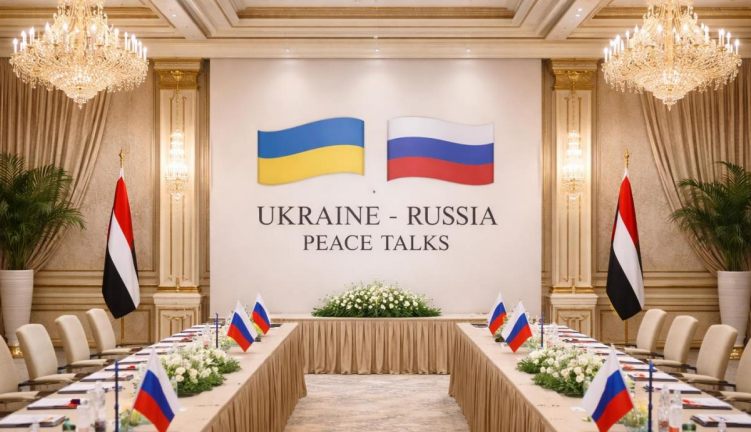
A new round of high-level peace negotiations between Ukraine–Russia peace talks commenced today in Abu Dhabi, marking a significant diplomatic intervention by the United Arab Emirates at a time of intensified geopolitical instability. The meeting, confirmed by officials from both delegations early this morning, aims to revive stalled dialogue that has seen limited progress over the past year. The latest session comes in the wake of renewed military escalation in Eastern Europe and increased international efforts to stabilise global security conditions.
Diplomats familiar with the talks indicated that this round is intended to establish a structured path for technical discussions, including humanitarian arrangements, prisoner exchanges and de-escalation protocols along contested zones. UAE officials described the talks as a continuation of the country’s broader mediation role, reflecting Abu Dhabi’s growing position as a neutral diplomatic venue for high-stakes international negotiations. The session follows a series of behind-the-scenes consultations that began in late January, after the escalation of missile and drone strikes across Ukrainian cities prompted international appeals for renewed engagement.
A Neutral Platform for a High-Tension Negotiation
The choice of Abu Dhabi as the venue underscores the UAE’s increasing relevance as a stabilising force in conflict mediation. Situated at the crossroads of Europe, the Middle East and Asia, the UAE has built a record of facilitating diplomatic engagement for sensitive geopolitical disputes through its neutral positioning and strong ties with both Western and regional powers.
Ukrainian representatives stated that they view the Abu Dhabi setting as conducive to a calm and structured dialogue, given the region’s distance from the immediate conflict theatre and its reputation for ensuring discretion in diplomatic processes. Russian officials likewise confirmed their attendance, noting that the discussions are part of a series of technical engagements aimed at reducing tension.
Sources close to the negotiation teams confirmed that preliminary sessions today focused on defining an agenda for subsequent meetings, identifying areas where immediate progress is feasible and establishing communication protocols to avoid further misinterpretations between the warring parties. Despite the cautious approach, diplomats emphasised that the environment remains fragile, with the success of the talks heavily dependent on the willingness of both sides to formalise incremental agreements.
Humanitarian Focus and De-Escalation Measures on the Table
One of the primary themes of today’s discussions was the urgent humanitarian situation across conflict-affected regions. According to early statements from Ukrainian negotiators, the delegation prioritised proposals for safe-corridor mechanisms, restoration of essential services and coordination for medical access in frontline areas. Ukrainian officials highlighted that civilian displacement has continued to rise since December 2025, with winter conditions intensifying the humanitarian strain on affected populations.
Russia, in response, signalled readiness to discuss technical adjustments related to humanitarian access, while maintaining its long-standing insistence that any concessions must align with its security interests. Key points raised included calibrated withdrawal zones, temporary ceasefire windows and verification protocols managed by neutral observers.
Diplomats familiar with the proceedings described today’s exchanges as “measured but serious,” with both sides acknowledging the need for practical de-escalation arrangements even as political divergences remain substantial. Additional humanitarian provisions, including possible prisoner-exchange frameworks, are expected to be examined in upcoming sessions scheduled later this week.
Broader Geopolitical Climate Amplifies Pressure on Talks
The Ukraine–Russia peace talks negotiations are taking place amid heightened geopolitical uncertainty, with international powers pushing for renewed diplomatic channels to avoid further destabilisation. European nations, closely monitoring developments, have expressed cautious optimism that the Abu Dhabi talks could provide a foundation for broader engagement. Concurrently, global financial markets have reacted to shifts in geopolitical risk, particularly in energy-sensitive regions connected to the Gulf.
Regional analysts noted that the Middle East’s evolving diplomatic posture—marked by the UAE’s increasing involvement in global mediation efforts—reflects the region’s strategic interest in mitigating external conflicts that could impact economic stability or energy supply routes. While neither Ukraine–Russia peace talks expects immediate breakthroughs, both sides acknowledged that the talks are a necessary step in preventing wider escalation.
The international community, including major stakeholders in Europe and Asia, has underscored the importance of continued dialogue. Several governments are expected to issue formal statements once the first phase of talks concludes. For now, the focus remains on maintaining diplomatic momentum and preventing disruptions to essential communication channels established during today’s session.
Conclusion
The launch of peace negotiations between Ukraine–Russia peace talks in Abu Dhabi marks a critical development in global diplomatic efforts to stabilise one of the world’s most enduring conflict zones. With humanitarian concerns intensifying and geopolitical pressures mounting, today’s discussions represent an attempt to rebuild a structured dialogue after months of deteriorating conditions.
As the delegations prepare for further meetings in the coming days, expectations remain measured but significant. The outcome of these talks will shape not only the trajectory of the conflict but also the broader international landscape of security, mediation and multilateral cooperation. The UAE’s hosting of the discussions illustrates its growing diplomatic stature and its potential role in facilitating future steps toward de-escalation and negotiated Ukraine–Russia peace talks.