UAE oil production expansion

UAE Accelerates Oil Expansion to 5 Million bpd by 2027 as OPEC Influence Weakens

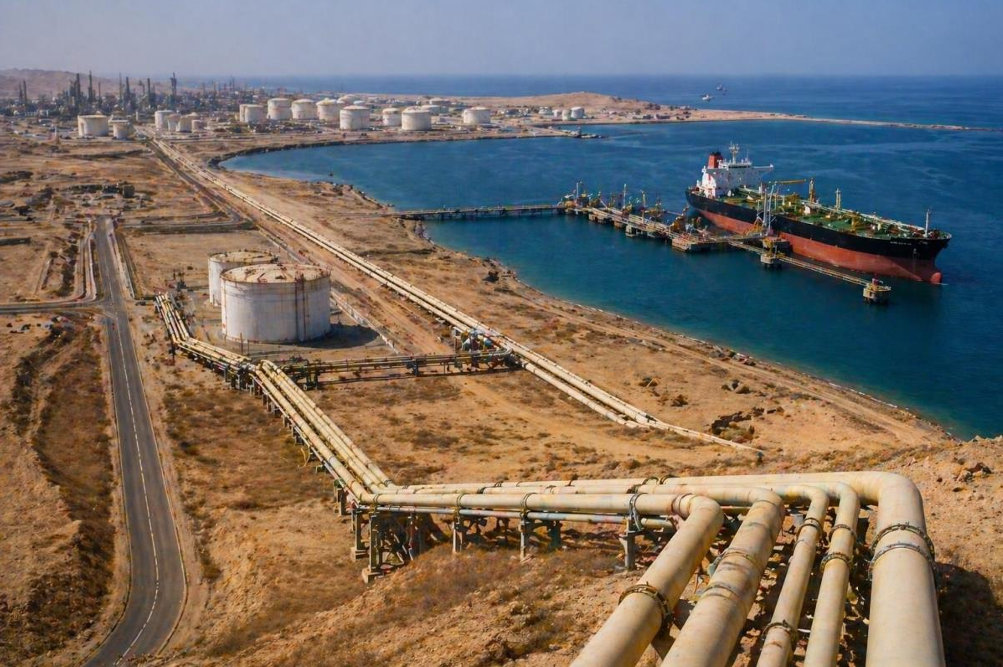
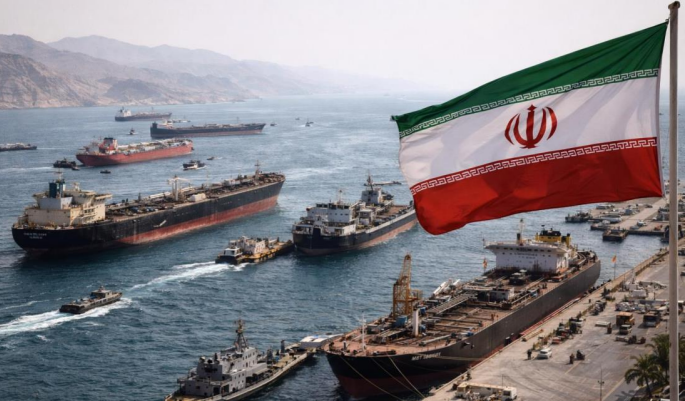
The United Arab Emirates has entered a defining phase in its energy strategy, accelerating plans to expand crude oil production capacity to 5 million barrels per day (bpd) by 2027, even as it exits the Organization of the Petroleum Exporting Countries (OPEC). The move reflects a calculated shift toward independent energy policymaking, aimed at maximizing revenue and strategic influence during a period of global energy instability. This strategic pivot comes amid a broader geopolitical and economic transformation. The UAE’s departure from OPEC effective May 2026 has been widely interpreted as a response to quota restrictions that limited its ability to fully utilize growing production capacity. The timing also coincides with an ongoing Middle East conflict that has disrupted oil flows through the Strait of Hormuz, intensifying global supply pressures. At its core, the UAE’s decision signals a shift away from collective oil governance toward a more flexible, market-responsive model. As global energy markets face volatility, the country is positioning itself as an agile and independent producer capable of shaping supply dynamics on its own terms. Strategic Rationale Behind Production Expansion The UAE’s plan to increase output to 5 million bpd is rooted in years of sustained investment and long-term planning. The state-owned Abu Dhabi National Oil Company (ADNOC) has invested billions of dollars to raise production capacity from approximately 3.4 million bpd to nearly 4.8 million bpd in recent years, laying the groundwork for further expansion. However, these ambitions increasingly clashed with OPEC’s quota system, which capped the UAE’s production …

Watch Now

Depot blast in Bangladesh kills nearly 50 people  - BBC News
Depot blast in Bangladesh kills nearly 50 people - BBC News
Russia accused of stealing about 600,000 tonnes of Ukraine's grain - BBC News
Devastation of Australia's climate change crisis captured on camera - BBC News
Boris Johnson survives leadership vote but 41% of his MPs have “no confidence” - BBC News

Listen Now

Kuwait World Cup Bid

Kuwait Advances Joint Gulf New Bid for FIFA World Cup 2030

Kuwait has confirmed that it is finalising preparations for a joint Gulf Cooperation Council (GCC) bid to host the 2030 FIFA World Cup, marking a significant step in the region’s expanding footprint in global sports diplomacy. The announcement from Kuwait World Cup Bid sports authorities underscores renewed momentum behind a collaborative Gulf proposal, with detailed …

Gulf defence measures

Gulf Nations Boost Defence Measures as Missile Threats Escalate

A sharp escalation in missile threats and infrastructure risks across the Gulf region is prompting governments to undertake a comprehensive reassessment of their defence and security frameworks. In recent days, multiple Gulf states have intensified surveillance, strengthened air defence systems, and reinforced protection around critical energy and urban infrastructure, reflecting a rapidly deteriorating security environment. …

Iran Strategic Leverage

Gulf Nations Reassess Security as Iran Gains Strategic Leverage Following Ceasefire

The recent ceasefire between the United States and Iran, while temporarily halting active hostilities, has triggered a deeper strategic concern across Gulf nations: the perception that Iran has emerged from the conflict with enhanced geopolitical Iran Strategic Leverage. Despite sustaining economic and infrastructural damage, Tehran has retained its core military capabilities, regional influence, and most …

UK Gulf Deployment

UK Strengthens Gulf Defence with Troops, Jets and Air Defence Systems

The United Kingdom has significantly increased its military presence in the Gulf, deploying up to 1,000 troops alongside advanced air defence systems in response to escalating regional threats. The move comes amid intensifying attacks attributed to Iran and growing concerns over the safety of critical infrastructure and energy routes across the Middle East. Announced by …