High-stakes diplomatic negotiations between the United States and Iran have ended without agreement after nearly 21 hours of marathon talks in Islamabad, significantly weakening an already fragile ceasefire in the region. The talks, described as the most direct and high-level engagement between Washington and Tehran in over a decade, were aimed at stabilizing the ongoing conflict and preventing further escalation.
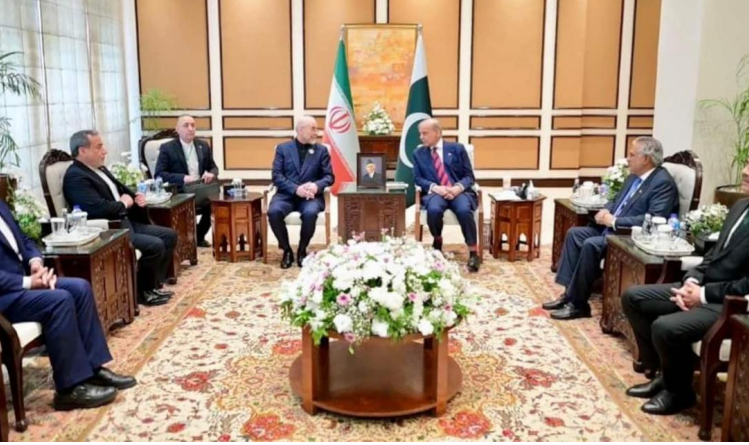
The US delegation, led by Vice President JD Vance, confirmed that negotiations concluded without a breakthrough, with both sides unable to bridge deep-rooted disagreements on key strategic issues. Iranian representatives, led by parliamentary speaker Mohammad Bagher Ghalibaf, similarly departed Islamabad, citing fundamental mistrust and unacceptable demands from the United States.
The collapse of talks has reignited concerns across global markets and diplomatic circles, as the US Iran Ceasefire Talks already limited in scope, now faces the risk of complete breakdown. With ongoing hostilities in Lebanon and disruptions in critical shipping routes, the failure of negotiations marks a pivotal moment in the evolving Middle East crisis.
Nature and Scale of the Islamabad Negotiations
The Islamabad talks were convened as part of an urgent diplomatic effort to stabilize the 2026 Iran conflict and build a framework for long-term peace. Hosted by Pakistan, the negotiations brought together senior officials from both nations in what was widely seen as a rare opportunity for direct engagement.
Spanning approximately 21 hours of continuous discussions, the talks addressed a broad range of issues, including US Iran Ceasefire Talks enforcement, nuclear commitments, maritime security, and regional conflict dynamics. The intensity and duration of the negotiations reflected both the urgency of the situation and the complexity of the issues involved.
Despite initial optimism, progress remained limited to minor confidence-building measures. Major disagreements persisted, ultimately preventing the two sides from reaching even a preliminary agreement. The outcome underscores the difficulty of resolving deeply entrenched geopolitical conflicts through a single round of negotiations.
Core Disagreements: Nuclear, Sanctions, and Regional Conflict
At the heart of the breakdown were fundamental disagreements over Iran’s nuclear program. The United States insisted on a firm commitment from Iran to abandon any pursuit of nuclear weapons, a demand that Tehran refused to accept.
Sanctions relief emerged as another major sticking point. Iran demanded the lifting of economic sanctions and the release of frozen assets as a precondition for any agreement, while the United States sought verifiable commitments before offering concessions. This gap in expectations proved difficult to reconcile.
The scope of the US Iran Ceasefire Talks itself also contributed to the impasse. Iran pushed for a broader regional ceasefire that would include Lebanon and halt Israeli operations against Hezbollah. However, the United States maintained a narrower interpretation, excluding certain conflict zones from the agreement.
Immediate Impact on Ceasefire Stability
The failure of the Islamabad talks has placed the existing ceasefire under significant strain. Originally brokered as a temporary measure, the US Iran Ceasefire Talks was already described by US officials as a “fragile truce”, dependent on continued diplomatic progress.
With negotiations now stalled, the risk of renewed hostilities has increased substantially. Iran has signaled that it may reconsider its commitments, while the United States has indicated that it remains prepared to pursue alternative strategies if diplomacy fails.
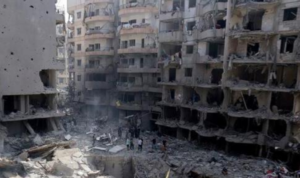
The situation is further complicated by ongoing violence in Lebanon and continued tensions in the Strait of Hormuz. These parallel conflicts highlight the limitations of a US Iran Ceasefire Talks that does not fully encompass all active fronts, raising questions about its long-term viability.
Global Economic and Strategic Implications
The collapse of talks has had immediate repercussions for global markets, particularly in the energy sector. The uncertainty surrounding the US Iran Ceasefire Talks has contributed to rising oil prices and increased volatility, reflecting concerns about potential disruptions in supply.
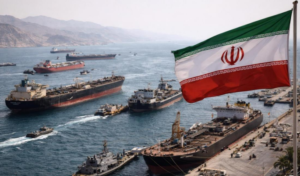
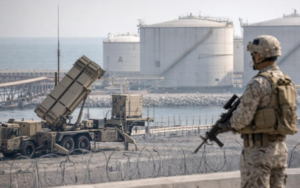
The Strait of Hormuz, a critical chokepoint for global energy trade, remains a focal point of tension. Iran’s control over parts of the shipping route, combined with US naval operations, has created a highly unstable environment for commercial vessels.
Beyond energy markets, the diplomatic breakdown has broader implications for global security. The inability of major powers to reach an agreement underscores the challenges of managing complex, multi-actor conflicts in an increasingly interconnected world.
Conclusion
The failure of the US–Iran talks in Islamabad represents a significant setback for diplomatic efforts to stabilize the Middle East. While both sides have left the door open for future negotiations, the immediate outlook remains uncertain.
In the short term, attention will shift to managing the consequences of the breakdown, including preventing further escalation and maintaining at least a partial US Iran Ceasefire Talks. However, without meaningful progress on core issues, the prospects for lasting peace remain limited.
Looking ahead, the situation underscores the need for a more comprehensive and inclusive diplomatic framework. As tensions continue to evolve, the balance between conflict and negotiation will play a decisive role in shaping the region’s future and its impact on the global order.