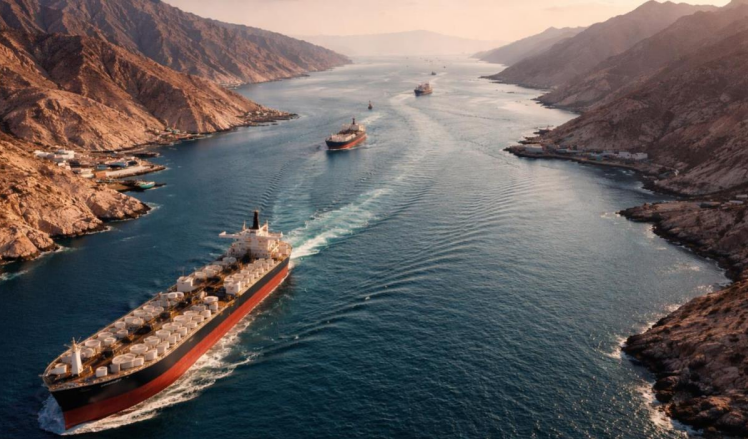
A dramatic escalation in global geopolitical tensions has unfolded as US President Donald Trump announced plans for a naval Strait of Hormuz Blockade, one of the world’s most critical energy chokepoints. The decision follows the collapse of high-level US–Iran negotiations and mounting concerns over Iran’s increasing control over maritime traffic in the region.
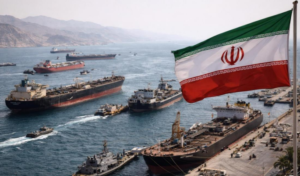
The Strait of Hormuz Blockade, through which roughly 20% of the world’s oil supply passes, has been at the center of escalating tensions since the outbreak of the 2026 Iran conflict. Iran’s recent moves to impose tolls and restrict passage have drawn strong reactions from the United States, which has labeled these actions as violations of international maritime norms.
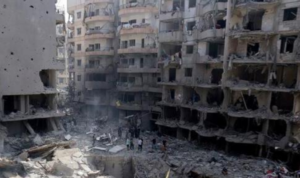
This development marks a significant shift from diplomatic engagement to direct military-economic confrontation. As both sides assert control over the waterway, the situation is rapidly evolving into a high-stakes standoff with far-reaching implications for global trade, energy markets, and regional stability.
US Blockade Strategy and Military Deployment
The US administration has made clear that its objective is to ensure free and unrestricted navigation through the Strait of Hormuz Blockade. President Trump stated that the US Navy would begin intercepting vessels operating under Iranian-imposed toll systems, effectively enforcing a blockade on routes deemed influenced by Tehran.
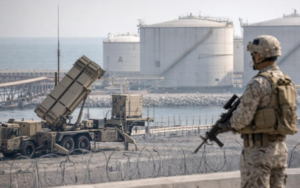
This strategy is backed by active military deployment in the region. US Central Command has already confirmed that naval destroyers have entered the Strait, initiating operations to clear sea mines and secure shipping lanes. These efforts represent the first phase of a broader campaign to re-establish safe passage for commercial vessels.
The blockade signals a decisive escalation in US policy, shifting from deterrence to direct intervention. By targeting vessels complying with Iranian directives, Washington is attempting to undermine Tehran’s control while reinforcing international maritime law principles.
Iran’s Countermeasures and Control Over Hormuz
Iran has responded assertively, maintaining that it holds operational control over the Strait of Hormuz Blockade and has the right to regulate transit under current conditions. Iranian officials have reiterated that the waterway is effectively under their authority, with restrictions imposed on vessels deemed hostile or non-compliant.
A key element of Iran’s strategy has been the introduction of tolls on transiting vessels, reportedly reaching up to $2 million per ship in some cases. While not all payments have been independently verified, the proposal itself has reshaped global shipping dynamics and raised legal and economic concerns.
Additionally, Iran has deployed sea mines, drones, and naval patrols to enforce its control, significantly reducing traffic through the Strait of Hormuz Blockade. These actions have transformed Hormuz from a commercial artery into a contested military zone, complicating efforts to restore normal operations.
Impact on Global Energy Markets and Trade
The confrontation over theStrait of Hormuz Blockade has had immediate and profound effects on global energy markets. With shipping routes disrupted and tanker traffic significantly reduced, oil prices have surged amid fears of prolonged supply constraints.
The strait’s strategic importance cannot be overstated. It serves as the primary export route for major oil-producing nations in the Gulf, including Saudi Arabia, the UAE, and Kuwait. Any disruption to this corridor has direct consequences for global energy availability and pricing.
Shipping companies and insurers have also been heavily impacted. Insurance premiums for vessels transiting the region have increased sharply, while many operators have suspended operations altogether. These developments have created a bottleneck in global trade, affecting not only energy markets but also broader supply chains.
Diplomatic Breakdown and Regional Escalation Risks
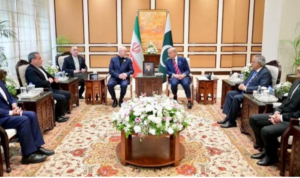
The blockade announcement comes in the wake of failed US–Iran negotiations, which had aimed to establish a comprehensive ceasefire and address key issues such as nuclear policy, sanctions, and maritime security. Despite some progress, the talks ultimately collapsed, leaving critical disagreements unresolved.
The breakdown of diplomacy has heightened the risk of further escalation. Iran has issued warnings against foreign military presence in the strait, while the United States has signaled its readiness to enforce navigation rights through military means. This dynamic creates a volatile environment where miscalculations could lead to direct conflict.
Regional actors are also closely monitoring the situation. Gulf states, heavily dependent on the strait for their energy exports, face significant economic risks and may be drawn into the conflict if tensions continue to rise.
Outlook
The unfolding crisis in the Strait of Hormuz represents a critical juncture in global geopolitics. The US decision to impose a blockade, coupled with Iran’s assertive control measures, has transformed a strategic waterway into a focal point of international tension.
In the short term, the situation is likely to remain highly unstable, with ongoing military operations and limited diplomatic engagement. The possibility of renewed negotiations cannot be ruled out, but current conditions suggest a prolonged period of uncertainty.
Looking ahead, the crisis underscores the vulnerability of global energy systems to geopolitical disruptions. As nations seek to secure alternative routes and diversify energy sources, the events in Hormuz may accelerate long-term shifts in global energy policy and strategic alliances.