The recent ceasefire between the United States and Iran, while temporarily halting active hostilities, has triggered a deeper strategic concern across Gulf nations: the perception that Iran has emerged from the conflict with enhanced geopolitical Iran Strategic Leverage.
Despite sustaining economic and infrastructural damage, Tehran has retained its core military capabilities, regional influence, and most critically its Iran Strategic Leverage grip over the Strait of Hormuz, a vital global energy corridor.
This evolving dynamic has unsettled Gulf governments, who had initially anticipated that the conflict would weaken Iran’s regional position. Instead, analysts now argue that the war has exposed vulnerabilities in Gulf security frameworks while simultaneously reinforcing Iran’s ability to influence energy flows and regional stability.
The ceasefire, described widely as fragile, has therefore not eliminated uncertainty but rather shifted the geopolitical balance in subtle yet significant ways. For Gulf states, the immediate concern is no longer just military escalation, but the long-term implications of a more assertive and strategically positioned Iran.
Iran’s Strategic Gains and Control Over Hormuz
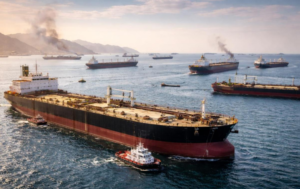
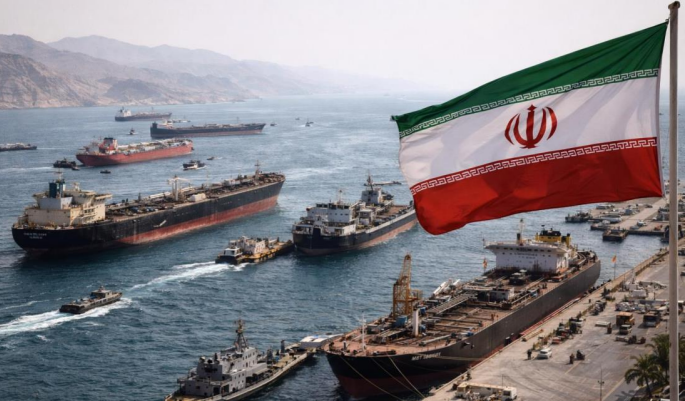
A central factor behind the perception of Iran’s strengthened position is its continued Iran Strategic Leverage over the Strait of Hormuz. This narrow waterway handles nearly 20% of global oil trade, making it one of the most critical chokepoints in the global energy system.
Even during the ceasefire, Iran has demonstrated its ability to disrupt or regulate shipping flows, including proposals to impose tolls and restrictions on maritime traffic. This capacity has elevated Iran’s bargaining power in both economic and diplomatic negotiations, effectively transforming energy supply routes into strategic tools of influence.
The war has therefore underscored a key reality: Iran’s most powerful asset is not solely its military arsenal, but its geographic and strategic positioning. By maintaining control over Hormuz, Tehran has secured a long-term lever over global markets and regional actors.
Impact on Gulf Security and Regional Stability
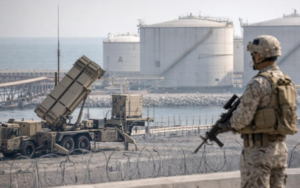
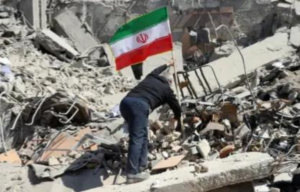
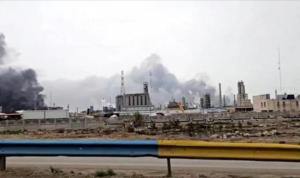
For Gulf nations, the ceasefire has exposed significant vulnerabilities in their security architecture. The conflict saw repeated missile and drone attacks targeting critical infrastructure, including oil facilities, pipelines, and urban centers. These incidents highlighted the limitations of existing defence systems in countering asymmetric threats.
Moreover, the disruption of shipping routes and the stranding of over 1,000 vessels near the Strait of Hormuz during peak tensions underscored the region’s economic fragility. The dependence on uninterrupted energy exports has made Gulf economies particularly susceptible to geopolitical shocks.
As a result, governments are now reassessing their security strategies, focusing on strengthening defence capabilities, diversifying energy export routes, and enhancing resilience against future disruptions. The crisis has effectively redefined the concept of security in the region, extending beyond military considerations to include economic and infrastructural stability.
Economic and Energy Market Implications
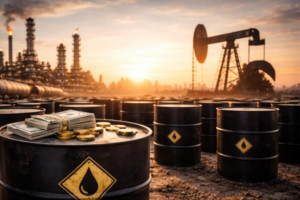
The geopolitical shift has had immediate and far-reaching implications for global energy markets. Oil prices surged dramatically during the conflict, driven by fears of supply disruptions and the potential closure of Hormuz. Even with the ceasefire in place, markets remain volatile, reflecting ongoing uncertainty.
The ability of Iran to influence energy flows has introduced a new layer of complexity into global economic planning. Energy-importing nations, including major economies in Asia and Europe, are closely monitoring developments, aware that any renewed disruption could trigger inflationary pressures and supply shortages.
At the same time, Gulf economies face the dual challenge of managing short-term disruptions while planning for long-term resilience. Investments in alternative export routes, such as pipelines bypassing Hormuz, are likely to accelerate as countries seek to reduce their dependence on vulnerable chokepoints.
Diplomatic Dynamics and Global Power Shifts
The ceasefire has also reshaped diplomatic dynamics in the region. While it has created an opportunity for dialogue, it has not resolved underlying tensions between Iran and its regional rivals. Key issues, including Iran’s missile program, nuclear ambitions, and regional alliances, remain contentious.
Gulf states are increasingly advocating for a comprehensive agreement that addresses these concerns, rather than relying on temporary ceasefires. There is also a growing recognition of the need for broader international involvement to ensure long-term stability.
At the same time, questions are being raised about the reliability of traditional security partnerships, particularly with the United States. The conflict has prompted some Gulf nations to explore alternative alliances and diversify their strategic relationships, reflecting a shifting global power landscape.
Outlook
The ceasefire between the United States and Iran marks a critical juncture in Middle Eastern geopolitics. While it has provided immediate relief from active conflict, it has also revealed deeper structural shifts that are likely to shape the region’s future.
For Gulf nations, the emergence of a more strategically empowered Iran represents a significant challenge. The focus is now shifting toward building resilience, strengthening defence capabilities, and pursuing diplomatic solutions that address the root causes of instability.
Looking ahead, the situation remains fluid. The ceasefire offers a window for negotiation, but without a comprehensive agreement, the risk of renewed conflict persists. As the region navigates this uncertain landscape, the balance of power and the security architecture of the Gulf are set to undergo profound transformation.