A sharp escalation in missile threats and infrastructure risks across the Gulf region is prompting governments to undertake a comprehensive reassessment of their defence and security frameworks. In recent days, multiple Gulf states have intensified surveillance, strengthened air defence systems, and reinforced protection around critical energy and urban infrastructure, reflecting a rapidly deteriorating security environment.
The developments come amid ongoing tensions involving Iran and allied actors, with repeated missile interceptions and drone threats targeting strategic assets. Key infrastructure, including oil facilities, ports, desalination plants, and major urban centers, has emerged as potential targets, raising concerns about both economic disruption and civilian safety.
Officials and security analysts across the region have emphasised that safeguarding critical infrastructure has become an immediate priority. The shift highlights a transition from conventional military preparedness to a broader, integrated security strategy that encompasses economic, energy, and urban resilience.
Escalation of Missile Threats and Interceptions
The recent surge in missile and drone activity has been a defining factor driving Gulf nations to enhance their defence posture. Saudi Arabia and the United Arab Emirates have reported multiple interceptions of ballistic missiles and unmanned aerial systems, many of which were directed toward high-value infrastructure in energy-rich regions.
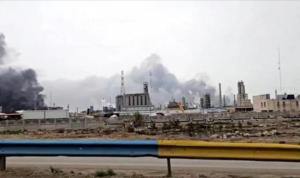
In several instances, missile debris has fallen near oil installations and residential areas, underscoring the proximity of threats to civilian and economic assets. Defence systems, including advanced radar networks and missile interception technologies, have been deployed at an accelerated pace to counter these risks.
The frequency and scale of these attacks have raised alarms among policymakers, who now view the situation as a sustained threat rather than isolated incidents. As a result, countries are investing heavily in early-warning systems, integrated air defence networks, and rapid response capabilities to mitigate potential damage.
Protection of Energy Infrastructure and Strategic Assets
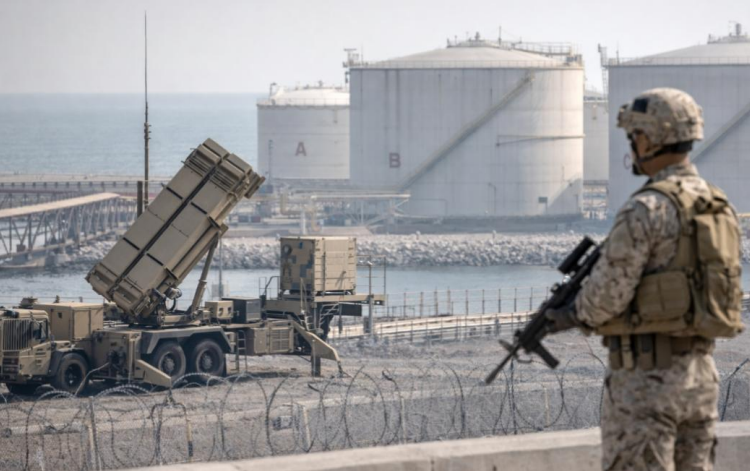
Energy infrastructure lies at the heart of the Gulf’s economic strength, making it a primary focus of enhanced security measures. Oil refineries, export terminals, and pipelines are being fortified with additional layers of protection, including physical barriers, surveillance systems, and military presence.
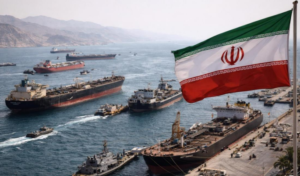
The Strait of Hormuz, a critical chokepoint for global oil shipments, has also become a focal point of security planning. Governments are coordinating naval patrols and monitoring activities to ensure the safe passage of energy supplies, despite ongoing disruptions and threats.
In addition to oil facilities, desalination plants—which provide water to millions across the region—have emerged as vulnerable targets. The potential impact of attacks on such infrastructure extends beyond economic damage, posing significant humanitarian risks and underscoring the need for comprehensive protection strategies.
Urban Security and Civilian Protection Measures
Beyond industrial and energy assets, Gulf defence measures nations are expanding their focus to include urban security and civilian protection. Major cities, including Riyadh, Dubai, and Abu Dhabi, are implementing heightened surveillance measures, deploying additional security personnel, and conducting emergency preparedness drills.
Authorities are also leveraging advanced technologies, such as artificial intelligence and real-time monitoring systems, to detect and respond to potential threats. These measures aim to enhance situational awareness and ensure rapid response in the event of an attack.
Public safety initiatives, including awareness campaigns and contingency planning, are being introduced to prepare residents for potential disruptions. This reflects a broader shift toward integrating civilian resilience into national security strategies, recognising the interconnected nature of modern threats.
Regional Coordination and Defence Strategy Evolution
The evolving security landscape is driving greater coordination among Gulf Cooperation Council (GCC) members. Countries are increasingly sharing intelligence, aligning defence strategies, and exploring joint initiatives to address common threats.
International partnerships are also playing a crucial role, with Gulf defence measures nations collaborating with allies to access advanced defence technologies and strategic support. The deployment of foreign military assets and systems in the region highlights the global significance of Gulf security.
This period of heightened tension is accelerating the transformation of defence strategies, with a focus on multi-layered security frameworks that integrate military, technological, and economic elements. The emphasis is shifting toward proactive risk management rather than reactive responses.
Outlook
The intensification of defence and security measures across the Gulf defence measures marks a critical juncture in the region’s response to escalating threats. By prioritising the protection of critical infrastructure and civilian populations, governments are demonstrating a commitment to stability in an increasingly volatile environment.
In the short term, the effectiveness of these measures will depend on the ability to anticipate and neutralise threats while maintaining economic and social continuity. Continued vigilance and investment in defence capabilities are likely to remain central to regional strategies.
Looking ahead, the situation underscores the importance of resilience in the face of complex and evolving challenges. As Gulf defence measures nations adapt to a new security paradigm, their ability to integrate defence, technology, and policy will be key to ensuring long-term stability and safeguarding their strategic interests.