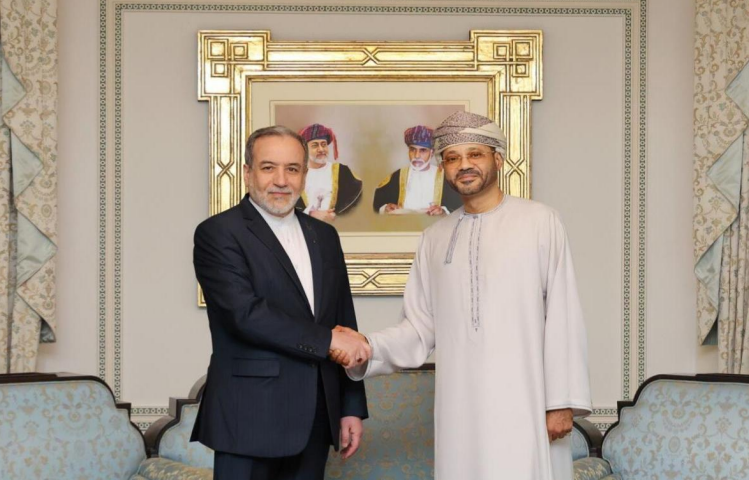
Diplomatic channels between the Iran–US Nuclear Talks reopened this week in Muscat, as senior negotiators from both countries convened for a new round of indirect nuclear discussions following months of regional tension. Iranian officials described the latest engagement as a “good start,” signalling cautious optimism while reaffirming longstanding positions aimed at limiting the scope of negotiations strictly to nuclear issues. The discussions, facilitated discreetly by the government of Oman, represent the first structured diplomatic interaction between Washington and Tehran in several months and come at a moment when the Gulf region faces heightened security concerns and shifting geopolitical calculations.
According to a statement issued late Friday by Iran–US Nuclear Talks Foreign Ministry, the talks focused primarily on reviving stalled commitments under earlier nuclear frameworks and exploring interim steps that could help reduce tensions across the region. Senior Iranian negotiator Ali Bagheri Kani was quoted as saying that the discussions were “serious, direct in substance, and constructive in tone,” and he stressed that the continuation of talks would depend on whether the United States showed “practical and verifiable flexibility” in the next stages.
The United States, meanwhile, maintained that the discussions were exploratory and aimed at determining whether further diplomatic engagement could serve broader stability objectives. While American diplomats have not publicly commented in detail, sources familiar with the dialogue noted that the U.S. delegation sought to broaden the agenda to include regional security, ballistic missile activity and maritime tensions—areas Tehran considers outside the scope of the nuclear file.
Regional Volatility Shapes Diplomatic Urgency
The talks come at a time of escalating regional volatility, with multiple Gulf and Middle Eastern governments monitoring developments closely. In recent months, shifting security dynamics, maritime incidents in the Strait of Hormuz and increased strategic posturing have added urgency to diplomatic efforts.
Regional observers have highlighted the significance of Oman’s facilitative role, with Muscat once again serving as a neutral host committed to maintaining back-channel communication between Tehran and Washington. Historically, Oman has played an essential part in enabling discreet diplomacy, including early secret talks that led to the 2015 Joint Comprehensive Plan of Action.
Iran’s Position on Sanctions and Negotiation Scope
Iranian officials reiterated that their primary focus remains on the removal of sanctions impacting their oil exports, financial transactions and industrial sectors. Tehran publicly maintained that any future agreement must ensure economic guarantees and long-term stability for its domestic industries, particularly as the country grapples with currency pressures and fluctuating energy revenues.
Analysts noted that Iran’s insistence on limiting talks to nuclear concerns reflects both domestic political calculations and its strategic desire to avoid concessions on missile programmes and regional alliances. At a press briefing, an Iranian spokesperson stated that “Iran will never accept negotiations that extend beyond the framework of nuclear commitments previously recognised under international agreements,” underscoring the importance Tehran places on preserving strategic leverage.
US Strategy and Security Considerations
For the United States, the reopening of a diplomatic window in Muscat forms part of a broader strategy aimed at stabilising the region while addressing nuclear proliferation concerns. American officials have repeatedly underscored that Iran’s growing stockpile of enriched uranium, reported by international monitors over the past year, remains a central security challenge.
Although there has been no public disclosure of technical details discussed in Oman, experts suggest that Washington may push for limits on enrichment purity, expanded monitoring and phased sanctions relief tied to verification benchmarks. The challenge, according to regional analysts, lies in bridging deeply entrenched mistrust while balancing the security priorities of U.S. allies in the Gulf.
Gulf, International and Market Reactions
The Gulf states, particularly the United Arab Emirates and Saudi Arabia, have refrained from commenting formally on the Oman talks but are widely understood to be monitoring the situation with considerable interest. Both nations have previously stressed the need for any U.S.–Iran–US Nuclear Talks agreement to account for regional stability and maritime security.
International reactions to the talks have been cautiously supportive, with the European Union expressing hope that renewed engagement might pave the way for a structured negotiation roadmap. The United Nations welcomed the diplomatic effort, noting that constructive dialogue remains essential for regional peace efforts.
Oil markets showed marginal fluctuations following reports of the discussions, reflecting investor sensitivity to diplomatic developments that may affect sanctions policy and regional output.
Challenges Ahead and Prospects for Continuation
Despite cautious optimism, significant hurdles remain. Iran–US Nuclear Talks continues to demand assurances that the United States will not withdraw unilaterally from any new framework, citing the instability caused by earlier policy reversals in Washington. Analysts point out that this insistence reflects Tehran’s lingering distrust and its desire for structural safeguards before committing to any concession.
The U.S., on the other hand, is expected to push for greater transparency in Iran–US Nuclear Talks nuclear activities and clear limitations on enrichment capacity. As one senior analyst observed, “The pathway to a deal will depend on whether both sides can operationalize confidence-building without undermining their domestic narratives.”
As talks concluded in Muscat on Thursday evening, both Iran–US Nuclear Talks and the United States indicated a willingness to reconvene after internal consultations. Officials in Oman confirmed that logistical arrangements for follow-up sessions would be supported if both sides agree to continue. Whether this “good start” materialises into a meaningful diplomatic breakthrough will depend on sustained engagement, political flexibility and the ability of negotiators to navigate complex layers of regional and global expectations.