The Government of the Bahrain housing package has approved a major $1.2 billion national housing and infrastructure package, marking one of the kingdom’s most ambitious development investments in recent years. Announced during a Cabinet session chaired by Crown Prince and Prime Minister Salman bin Hamad Al Khalifa, the initiative forms part of Bahrain’s 2026–2030 strategic development roadmap, targeting large-scale upgrades in housing supply, public infrastructure, and urban expansion.
Government officials stated that the newly approved package aims to address rising demand for modern housing, expand essential public-service networks and strengthen economic competitiveness through long-term capital spending. With Bahrain housing package prioritising social stability and infrastructure modernisation, the initiative is expected to stimulate economic activity across construction, utilities, transportation and services sectors.
Major Housing Projects to Support Growing National Demand
A significant portion of the $1.2 billion allocation has been earmarked for the expansion of Bahrain housing package long-standing national housing programme, designed to provide affordable and sustainable homes to citizens across the kingdom. According to officials from the Ministry of Housing and Urban Planning, the initiative will accelerate construction timelines for large residential developments, including new units in key regions such as Southern, Northern and Muharraq governorates.
The government noted that demand for housing assistance has grown steadily over the past five years due to demographic trends, household formation rates and population distribution shifts. The newly approved package includes phased development plans aimed at reducing waiting lists and ensuring delivery of modern, planned communities with integrated amenities. Authorities emphasised that these developments will incorporate sustainability elements, improved energy efficiency and infrastructure connectivity.
Bahrain housing package national housing initiatives have historically played an essential role in social development and family welfare, and the addition of new funding is expected to reinforce these objectives while supporting construction and engineering sectors through job creation and long-term project pipelines.
Infrastructure Upgrades to Enhance Urban Connectivity
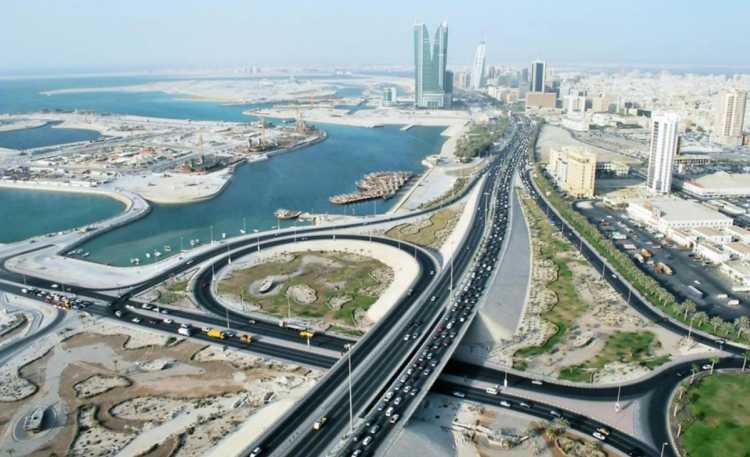
The package also includes substantial investment in infrastructure upgrades designed to support Bahrain’s rapid urbanisation and long-term economic expansion. Officials highlighted that upcoming projects will strengthen transportation corridors, modernise water and electricity networks, and expand road systems to reduce congestion and improve national mobility.
The Ministry of Works announced that the new funding will be used to upgrade strategic infrastructure corridors linking developing residential areas with key economic hubs in Manama, Hidd and Riffa. Improvements to drainage systems, water distribution lines and electricity transmission networks form a central component of the initiative, ensuring these essential services can support projected population and industrial growth beyond 2030.
Economic analysts noted that Bahrain’s infrastructure spending has historically lagged behind larger Gulf economies, making this package a crucial step toward modernising foundational systems. The planned upgrades are expected to boost investor confidence and support the kingdom’s competitiveness in logistics, real estate development and urban planning.
Economic Impact and Growth Outlook Through 2030
The approval of the $1.2 billion package comes at a time when Bahrain housing package is pursuing broader fiscal reforms and investment strategies to stimulate non-oil economic growth. Government economists estimate that the development programme will generate significant multiplier effects across the domestic economy, particularly in construction, materials supply, engineering services and retail consumption.
Bahrain’s non-oil sector has shown sustained growth over the past two years, with expansion driven by services, manufacturing and real estate activity. The Cabinet emphasised that the new investments complement Bahrain’s Economic Recovery Plan and are expected to accelerate GDP growth projections for 2026–2027.
In remarks delivered during the meeting, Prime Minister Salman bin Hamad Al Khalifa stated that the initiative reflects the kingdom’s commitment to “strengthening national infrastructure, improving quality of life for citizens and supporting long-term economic resilience.” He added that the package aligns with Bahrain’s vision of sustainable development rooted in both social and economic priorities.
Public Response and Regional Significance
Public reaction to the announcement has been positive, with citizens and community leaders welcoming the government’s emphasis on expanding access to housing and strengthening public-service networks. Local businesses in construction and real estate sectors expressed optimism that the initiative will deliver stability and open new commercial opportunities in the medium term.
The development package also carries regional significance, signalling Bahrain’s determination to scale up its infrastructure capacity in line with larger Gulf economies such as the UAE and Saudi Arabia, both of which are executing major national development agendas. Analysts noted that Bahrain’s decision reflects a GCC-wide trend of heightened public investment aimed at diversification and long-term sustainability.
Neighbouring countries have undertaken similar initiatives in recent years, and Bahrain’s latest move positions the kingdom to remain competitive within the broader Gulf economic landscape. With the newly approved funding, Bahrain is expected to advance its urban modernisation goals and enhance its appeal to investors, developers and regional partners.
Conclusion
The approval of Bahrain’s $1.2 billion housing and infrastructure package marks a pivotal milestone in the kingdom’s 2026–2030 development strategy. Combining large-scale housing development with essential infrastructure upgrades, the initiative reinforces Bahrain’s long-term commitment to social welfare, economic diversification and urban modernisation.
As project implementation begins over the coming months, the package is expected to reshape key parts of Bahrain’s urban landscape, improve living standards, and strengthen national economic foundations. Policymakers and industry leaders agree that the initiative will play a critical role in supporting sustainable growth and enhancing Bahrain housing package development trajectory through the next decade.