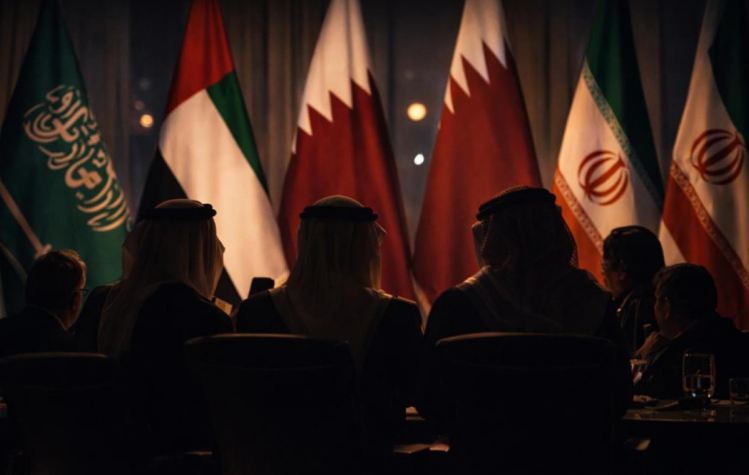
A deepening sense of skepticism is emerging across the Gulf as regional powers openly question the credibility of United States claims regarding ongoing US–Iran Ceasefire Crisis negotiations.
Despite repeated assertions from Washington that diplomatic engagement is underway, countries such as Qatar, Saudi Arabia, and the United Arab Emirates have signaled clear doubts over both the existence and effectiveness of these talks. The uncertainty reflects not merely a tactical disagreement, but a broader erosion of trust in the diplomatic process amid a rapidly escalating conflict environment.
This skepticism is rooted in a series of conflicting signals. While US leadership has publicly maintained that Iran is open to negotiations, Tehran has categorically denied active participation in any formal dialogue and has instead submitted its own independent framework for ending the conflict.
This divergence between public claims and on-ground diplomatic realities has amplified concerns among Gulf nations, many of whom remain directly exposed to the consequences of prolonged instability.
The situation has placed Gulf states in a complex strategic position. As frontline stakeholders facing both economic and security risks, they are increasingly wary of relying solely on external mediation.
The growing distrust toward US–Iran Ceasefire Crisis narratives underscores a shift in regional thinking, where Gulf countries are beginning to reassess their role in conflict resolution and consider more autonomous diplomatic approaches.
Breakdown of Trust in Diplomatic Signaling
The current crisis has exposed a widening gap between diplomatic messaging and geopolitical realities. Gulf states have expressed concerns over the lack of transparency surrounding US–Iran Ceasefire Crisis efforts, particularly regarding the absence of clear negotiation channels and identifiable Iranian counterparts.
Without verifiable communication frameworks, regional actors view US–Iran Ceasefire Crisis claims as speculative rather than substantive.
Past experiences have further contributed to this erosion of trust. Gulf nations recall previous instances where diplomatic overtures were quickly overshadowed by military escalation, leaving regional stakeholders vulnerable to retaliation.
These historical precedents have made Gulf governments cautious about endorsing ceasefire narratives without concrete evidence of progress or commitment from all parties involved.
The lack of alignment between Washington’s statements and Tehran’s actions has intensified these concerns. Iranian leadership has continued to signal resistance to externally driven negotiations, reinforcing perceptions that current US–Iran Ceasefire Crisis discussions lack legitimacy.
For Gulf states, this disconnect raises fundamental questions about the reliability of diplomatic assurances in an increasingly volatile environment.
Continued Conflict Undermining Negotiation Credibility
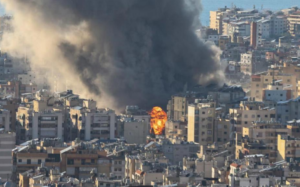
The credibility of US–Iran Ceasefire Crisis efforts has been further undermined by the persistence of military activity across the region. Reports indicate ongoing missile and drone strikes targeting infrastructure, shipping routes, and strategic assets within Gulf territories, even as diplomatic discussions are purportedly underway.
This contradiction between rhetoric and reality has significantly weakened confidence in the negotiation process.
The Strait of Hormuz, a critical global energy corridor, remains a focal point of concern. Disruptions in this region not only threaten global oil supplies but also directly impact the economic stability of Gulf nations.
The continued volatility in such a strategically vital area reinforces the perception that meaningful de-escalation has yet to materialize.
Moreover, Gulf leaders fear that a premature ceasefire, if based on incomplete or superficial agreements, could embolden Iran to consolidate its strategic position without addressing underlying security concerns.
This apprehension has led to calls for a more comprehensive approach that ensures long-term stability rather than short-term political gains.
Diverging Regional Strategies and Strategic Autonomy
In response to the uncertainty surrounding US-led diplomacy, Gulf states are increasingly exploring independent or regionally driven approaches to conflict resolution.
Analysts suggest that countries such as Qatar and Oman, traditionally seen as mediators, may adopt more cautious roles while reassessing their engagement strategies.
This shift reflects a broader trend toward strategic autonomy within the Gulf. Rather than relying exclusively on external powers, regional actors are beginning to prioritize their own security interests and diplomatic initiatives.
This includes strengthening intra-regional coordination and exploring alternative channels of dialogue with Iran.
At the same time, divisions within the Gulf remain evident. While some countries advocate for continued diplomatic engagement, others are increasingly open to stronger measures aimed at countering Iranian influence.
This divergence highlights the complexity of the regional landscape and the challenges associated with achieving a unified strategic approach.
Economic and Security Implications for the Gulf
The uncertainty surrounding ceasefire negotiations has had immediate economic repercussions across the Gulf region. Financial markets have reacted negatively to escalating tensions, with major indices in Dubai, Abu Dhabi, and Qatar experiencing notable declines.
These movements reflect broader investor concerns about the potential for prolonged instability.
Energy markets have also been affected, with oil prices rising amid fears of supply disruptions. Given the Gulf’s central role in global energy production and transportation, any sustained conflict poses significant risks not only to regional economies but also to global economic stability.
Beyond economic factors, the security implications are equally profound. Continued military activity and the threat of escalation place immense pressure on national defense systems and critical infrastructure.
Gulf states are therefore compelled to balance immediate security concerns with long-term strategic planning, further complicating their response to the evolving situation.
Outlook
The growing distrust among Gulf states toward US–Iran ceasefire claims marks a critical turning point in the region’s geopolitical dynamics.
What began as cautious optimism for diplomatic resolution has evolved into a more skeptical and guarded stance, driven by inconsistencies in messaging and continued conflict on the ground.
In the near term, the effectiveness of ceasefire efforts will depend on the establishment of credible and transparent negotiation frameworks. Without clear communication and mutual commitment from all parties, skepticism is likely to persist, limiting the prospects for meaningful de-escalation.
Looking ahead, the Gulf’s response to this crisis may redefine its role in regional diplomacy. As countries increasingly prioritize strategic autonomy and regional coordination, the balance of influence in the Middle East could shift, potentially reshaping the trajectory of future conflicts and peace efforts.