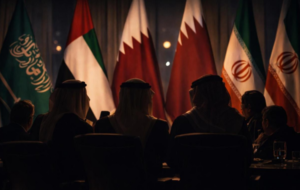
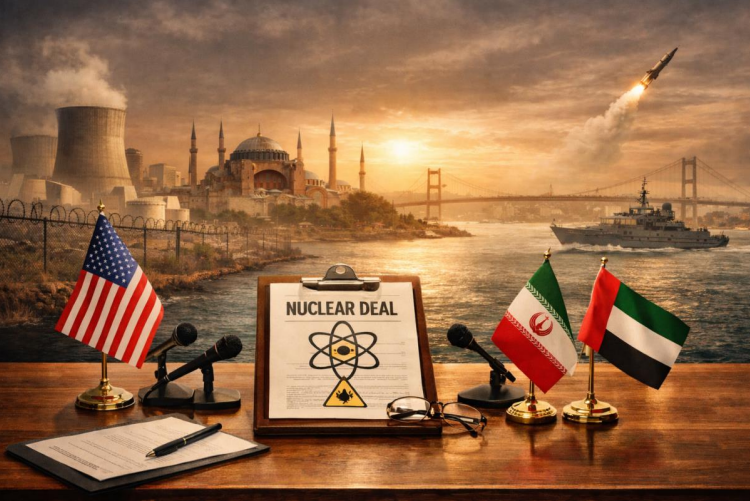
As diplomatic delegations from the United Arab Emirates, the United States, and Iran prepare to gather in Ankara this week, Abu Dhabi has issued its strongest appeal in months for a revived US–Iran nuclear deal agreement capable of stabilising a region strained by prolonged tensions.
Speaking on 3 February 2026, a senior UAE diplomatic adviser reiterated that “the Middle East does not need another conflict” and underscored the economic and security risks of continued stalemate.
The renewed push from Abu Dhabi comes at a pivotal moment, as global diplomatic currents shift and long-standing regional tensions threaten to harden into prolonged instability. With major powers reassessing their strategic footprints in the Middle East and energy markets reacting to uncertainty, the UAE has stepped forward to advocate for a structured, balanced negotiation process between the United States and Iran.
Its message underscores a growing recognition that the future of regional security will depend not on isolated political manoeuvres but on sustained, credible engagement capable of easing friction across the Gulf.
Regional Context and Rising Diplomatic Urgency
The call from the UAE comes at a moment when geopolitical pressures have escalated across the Gulf. Recent maritime tensions, including Iran’s stepped-up naval activity near the Strait of Hormuz, have heightened concerns among regional governments that any miscalculation could disrupt global energy supply lines.
The UAE’s renewed push reflects growing apprehension that without structured dialogue between Washington and Tehran, diplomatic windows could narrow further.
Officials in Abu Dhabi emphasise that the nuclear discussions are not only about limiting uranium enrichment or monitoring centrifuge activity but also about restoring predictable channels of communication. According to UAE policy analysts, the absence of direct engagement over the past year has already created “dangerous strategic ambiguity,” increasing the likelihood of regional actors misreading military movements or retaliatory actions.
UAE’s Strategic Interests and Policy Position
The UAE’s insistence on diplomatic resolution is rooted in both regional stability interests and domestic security priorities. As a key Gulf economic hub deeply integrated into global trade, the UAE views any disruption in the oil transit corridors or expansion of sanctions-related volatility as a direct threat to financial markets and supply chains.
A senior adviser to the UAE President stated that the country supports “a balanced agreement grounded in transparency and compliance,” but also urged the international community to recognise the legitimate security concerns felt by Gulf states.
The adviser added that the UAE seeks a framework that goes beyond nuclear controls to include discussions on ballistic missile capabilities and non-state-actor support, signalling a more comprehensive vision for long-term regional equilibrium.
US–Iran Negotiation Landscape Ahead of the Ankara Talks
The talks set to resume in Ankara mark the first structured engagement between Washington and Tehran since late 2024, when indirect dialogue stalled over disagreements on sequencing sanctions relief.
American negotiators are expected to stress the need for immediate caps on Iran’s enrichment levels, while Iranian officials continue to insist that sanctions on banking and energy sectors must be eased early in the process.
Diplomats familiar with the preparations say both sides recognise that geopolitical conditions have shifted substantially since the 2015 agreement and even since the failed 2021 revival attempt. With regional security dynamics evolving and global energy markets more volatile, negotiators face pressure to produce a roadmap that addresses not only nuclear parameters but also confidence-building measures that can reduce friction among regional rivals.
Economic Stakes for the Gulf and Wider International Community
For Gulf economies, particularly those accelerating diversification agendas, stability in US–Iran nuclear deal relations remains critical. The UAE, Saudi Arabia, and Qatar are each pursuing major long-term investments in clean energy, logistics, and manufacturing.
These ambitions rely on predictable geopolitical conditions and uninterrupted commercial trade routes.
Economists note that a renewed nuclear deal could ease insurance premiums on maritime shipping in the Gulf, reduce speculative price shocks in energy markets, and open channels for expanded investment flows.
Global markets have historically responded positively to signals of diplomatic progress between Washington and Tehran, and early remarks from the UAE have already been interpreted by investors as a call for de-escalation. However, the outcome of the Ankara discussions will determine whether these expectations translate into lasting economic confidence.
Outlook
With delegations set to meet later this week, officials across the Middle East are watching closely for signs of genuine progress. The UAE’s diplomatic posture reflects a broader regional desire to shift away from confrontation and toward cooperative security structures.
Whether the Ankara talks can deliver such momentum remains uncertain, but the UAE’s public stance signals a readiness to support any initiative that strengthens regional stability.
Analysts caution that even limited progress—such as agreed-upon verification steps or a temporary freeze on certain nuclear activities—could reduce tensions significantly. The coming days will test the willingness of both Washington and Tehran to compromise, and the extent to which regional actors like the UAE can influence a broader diplomatic breakthrough.