The US Foreign Policy Shifts is at the center of fast-changing political and economic debates as its foreign policy and domestic governance take new turns. From high-level diplomatic moves in the Middle East to proposed legislation that could disrupt global outsourcing, and a legal ruling on the independence of the Federal Reserve, Washington’s actions this week carry implications for global stability and markets.
Marco Rubio Heads to Qatar After Israel’s Strike in Doha
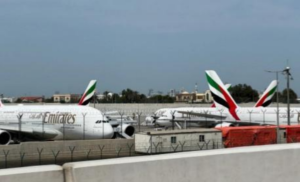
U.S. Secretary of State Marco Rubio is expected to visit Qatar following Israel’s airstrike in Doha that killed several Hamas officials and civilians, drawing international condemnation. The strike has strained Gulf security dynamics and raised concerns about the spread of regional conflict beyond Gaza and Yemen.
Rubio’s visit aims to demonstrate Washington’s diplomatic support for Qatar, a longtime strategic partner hosting the largest U.S. military base in the region. Analysts suggest the move is also designed to reassure Gulf Cooperation Council (GCC) allies of America’s continued engagement amid rising instability.
Qatar has demanded accountability from Israel and rallied regional backing through the Arab League and United Nations. The U.S. role will be closely watched, as balancing ties between Israel and Arab partners remains a longstanding challenge in American US Foreign Policy Shifts. Rubio’s visit could help soften anti-American sentiment in the region while signaling Washington’s commitment to dialogue and de-escalation.
The HIRE Act 2025: A Blow to Outsourcing and India’s IT Sector
Beyond the Middle East, the United States is facing domestic political debate over the Hiring Incentives to Restore Employment (HIRE) Act 2025. The bill proposes a 25% tax on American companies that pay foreign workers for services consumed within the US Foreign Policy Shifts.
If enacted, the measure could hit India’s $250 billion IT outsourcing industry hard. Major firms like Infosys, TCS, and Wipro, which provide technology and back-office services to Fortune 500 companies, could see contracts shrink as American firms adjust to avoid the new tax burden.
Proponents of the bill argue that it will “bring jobs back to the U.S.” by incentivizing companies to hire locally. Critics, however, warn that it could spark trade tensions, reduce competitiveness, and ultimately raise costs for consumers.
India has already expressed concern, with trade negotiators emphasizing that such protectionist measures contradict Washington’s commitments to open markets. The timing is significant, as India and the U.S. are set to hold trade talks in New Delhi this week. The HIRE Act 2025 could therefore become a flashpoint in bilateral discussions, potentially complicating the broader strategic partnership between the two democracies.
Federal Reserve Independence Strengthened as Court Rules in Favor of Lisa Cook
In a separate but equally critical political development, a U.S. court has ruled that Federal Reserve Governor Lisa Cook can remain in her position, blocking President Donald Trump’s attempt to remove her ahead of a key monetary US Foreign Policy Shifts meeting.
The court’s decision is being hailed as a victory for the independence of the central bank. It reinforces the principle that the Federal Reserve, as the guardian of U.S. monetary stability, must operate free from political interference.
Cook, who was appointed during the Biden administration, has been a strong voice for maintaining inflation control while also balancing growth concerns. Analysts say the ruling preserves stability within the Fed at a time of economic uncertainty, as the U.S. grapples with trade disputes, volatile energy prices, and the potential fallout from new tariffs.
The decision also sets a precedent in the broader debate over executive power. By limiting the president’s authority to remove central bank officials, the court underscored the importance of institutional checks and balances within the American political system.
A Converging Story of Foreign Policy, Economics, and Governance
Taken together, these developments highlight the multifaceted challenges facing U.S. leadership: managing alliances in a volatile Middle East, addressing domestic job concerns without undermining global trade, and safeguarding the independence of financial institutions.
- Rubio’s Qatar visit underscores the enduring complexity of U.S. diplomacy in the Gulf.
- The HIRE Act 2025 showcases the tension between economic nationalism and globalization.
- The Lisa Cook ruling reaffirms the resilience of American democratic institutions.
As Washington navigates these intertwined issues, the world will be watching closely. Whether in Doha, New Delhi, or Wall Street, the ripple effects of U.S. political decisions are certain to shape global debates in the weeks ahead.