The United Arab Emirates and Qatar have reaffirmed a coordinated regional strategy to advance renewable energy development, green hydrogen research and long-term sustainability goals, marking one of the most significant bilateral climate and UAE–Qatar clean energy collaborations in the Gulf this year.
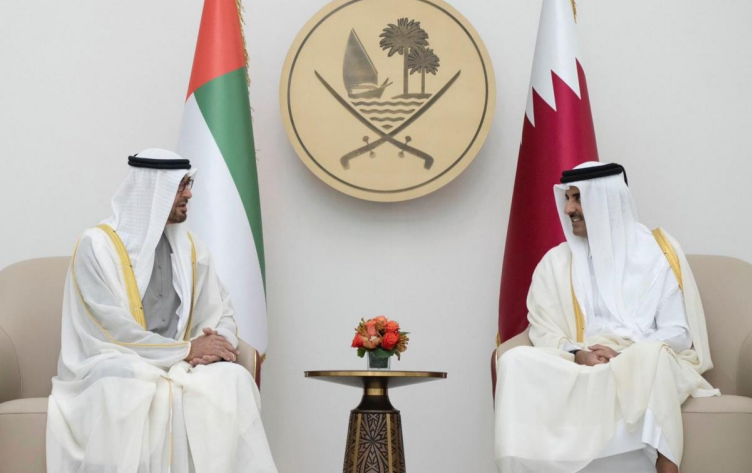
Senior officials from both nations held a joint session this week focused on expanding clean-energy partnerships that support economic diversification and align with regional commitments under long-term decarbonisation frameworks extending to 2050. The renewed cooperation follows a series of high-level engagements between the two governments over the past six months, signalling a growing synergy in Gulf-wide climate planning.
Officials described the initiative as a strategic step aimed at accelerating the region’s transition into an integrated hub for clean-energy investments and low-carbon technological innovation. As both economies continue to diversify beyond fossil fuels, the partnership reflects a shared vision to capture opportunities in renewable power generation, sustainable industrial development and next-generation energy technologies.
The announcement comes amid heightened global attention on climate resilience and the increasing demand for cross-border collaboration in energy transformation efforts.
Regional Collaboration Gains New Momentum
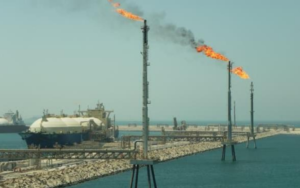
The renewed cooperation between the UAE–Qatar clean energy aligns strongly with each country’s long-term economic diversification strategy. The UAE’s federal sustainability framework prioritises large-scale solar development, green hydrogen manufacturing and technological leadership in low-carbon solutions, while Qatar’s national strategy emphasises investment in renewable energy, advanced industrial decarbonisation and future-ready energy systems to complement its role as a major global LNG exporter.
During this week’s meeting, officials discussed integrating policy pathways, coordinating regulatory planning and exploring shared opportunities for research and development across solar, wind and hydrogen technologies. The discussions included early-stage proposals for joint renewable-energy testing zones and energy-storage pilot projects.
Delegates also highlighted that both countries have significantly increased their green-capacity targets: the UAE–Qatar clean energy with its goal to triple installed clean-energy capacity by 2030, and Qatar expanding its utility-scale solar footprint to over 2 gigawatts within the same period.
Senior officials emphasised that the cooperation aims not only to raise installed capacity but to build long-term resilience into national grids. This includes developing regionally coordinated backup systems, improving efficiency benchmarks and adopting advanced modelling tools that track real-time energy demand patterns. Both governments acknowledged that the Gulf’s rapidly growing population and electricity consumption require stronger energy integration and smarter grid technology.
Coordinated Strategy for Clean-Energy Expansion
A central pillar of the renewed partnership is the commitment to expand joint research in solar power and green hydrogen technologies. The UAE–Qatar clean energy, home to several global-scale solar parks including the Mohammed bin Rashid Al Maktoum Solar Park, aims to position itself as a leader in hydrogen production, ammonia conversion and export logistics by 2030.
Qatar, meanwhile, highlighted its work on integrating hydrogen-based systems into industrial clusters and exploring pathways to utilise its extensive natural gas infrastructure for hydrogen development.
Officials discussed collaborative research arrangements involving public universities, national R&D organisations and energy-sector partners from both countries. Early outlines proposed shared knowledge exchanges, joint laboratory initiatives and coordinated pilot demonstrations to be launched over the next two years.
These efforts are expected to build technical capacity, reduce project-development risks and speed up commercial deployment timelines for clean-energy technologies.
Energy analysts noted that the cooperation reflects a strategic recognition of the growing global demand for green hydrogen and low-emission fuels, particularly from Europe and Asia. With both nations aiming to become major players in this emerging market, joint innovation frameworks are seen as essential to strengthening regional competitiveness.
Government advisers added that the collaboration will also support domestic job creation in science, engineering and advanced manufacturing.
Solar and Hydrogen Projects Form Core of Cooperation
The renewed partnership between the UAE–Qatar clean energy is also viewed as a reflection of the Gulf region’s broader diplomatic shift toward increased coordination on sustainability, climate adaptation and economic transformation.
Senior officials reiterated that the initiative reflects a “forward-looking regional mindset,” emphasising that cooperation in clean energy strengthens geopolitical stability and economic resilience.
The initiative aligns with the UAE’s previous leadership role in hosting global climate conferences and spearheading regional renewable-energy dialogues. Qatar, meanwhile, continues to expand its contributions to international climate forums and has highlighted its aim to reduce carbon intensity across LNG operations while broadening investments in sustainable technology.
Both nations described the partnership as essential for meeting their long-term greenhouse gas reduction commitments and supporting international climate frameworks leading into the 2030s.
Diplomatic sources noted that the discussions represent a significant step beyond symbolic engagement, demonstrating practical cooperation between two of the Gulf’s most economically influential states. Their alignment in clean energy is expected to encourage broader regional collaboration, particularly in areas such as cross-border grid connectivity, energy research platforms and sustainable industrial development.
Conclusion
The UAE–Qatar clean energy partnership marks a pivotal development in the region’s transition toward sustainable economic growth. By aligning national strategies in solar, hydrogen and advanced energy technologies, the two nations have laid the groundwork for long-term collaboration that could significantly reshape the Gulf’s energy landscape.
As technical planning and joint research frameworks advance in the coming months, both countries are expected to announce additional investment commitments, pilot projects and regulatory harmonisation measures. Analysts argue that this collaboration may evolve into one of the Gulf’s most influential sustainability alliances, reinforcing the region’s credibility as a rising leader in global clean-energy transformation.