In a significant development for regional trade and logistics, Dubai has launched a new “UAE Green Corridor” with Oman, introducing an integrated sea-air cargo route designed to enhance efficiency, reduce transit time, and strengthen supply chain reliability across the Gulf. The initiative comes at a time when global logistics networks are under stress, making speed, flexibility and resilience critical components of economic competitiveness.
The UAE Green Corridor represents a strategic shift toward multi-modal transport integration, combining maritime, air and land logistics into a single streamlined system. By enabling faster cargo movement between Asia, the Middle East and global markets, the initiative is expected to reinforce Dubai’s long-standing position as a global logistics hub while deepening economic ties with Oman.
More broadly, the move reflects a proactive response by Gulf economies to evolving geopolitical and economic pressures. As traditional shipping routes face disruptions and delays, the UAE–Oman corridor signals a transition toward adaptive, technology-driven logistics frameworks capable of sustaining trade flows even under adverse conditions.
Strategic Vision Behind the Green Corridor
The UAE–Oman green corridor is rooted in a broader strategic vision aimed at enhancing regional connectivity and economic integration. By linking Dubai’s advanced logistics ecosystem with Oman’s port infrastructure, the initiative seeks to create a seamless trade bridge that reduces dependency on traditional maritime chokepoints and enhances supply chain resilience.
At the core of this vision is the concept of integrated logistics corridors, where multiple modes of transport—sea, air and land operate in coordination rather than isolation. This approach allows goods to move more efficiently across borders, reducing bottlenecks and improving delivery timelines. The corridor is designed not only as a logistical solution but also as a strategic instrument for economic diversification and regional cooperation.
The initiative also reflects the UAE Green Corridor long-term ambition to position itself as a global trade and logistics leader. By investing in innovative transport solutions and fostering partnerships with neighboring countries, Dubai is reinforcing its role as a central node in global supply chains, connecting markets across Asia, Europe and Africa.
Operational Framework and Multi-Modal Integration
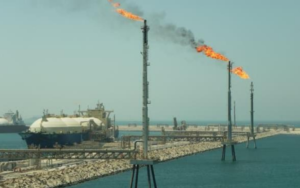
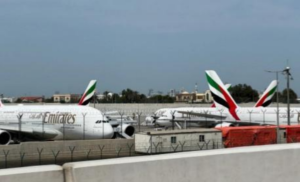
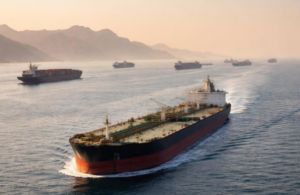
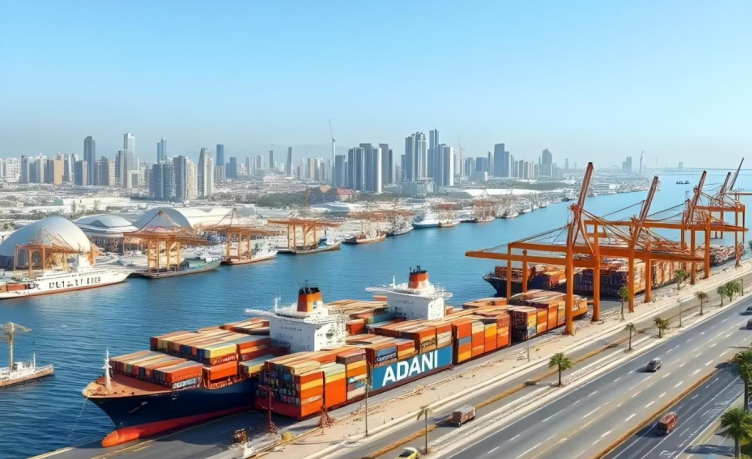
The green corridor operates on a multi-modal logistics model, integrating maritime shipping, air freight and overland transport into a unified system. Cargo arriving at Omani ports such as Sohar or other entry points can be rapidly transferred via land routes to Dubai, where it is then processed and redistributed through air or sea networks.
A key feature of the corridor is the reduction of procedural delays through coordinated customs processes between Dubai and Oman. Under Dubai Customs Notice No. 04/2026, both sides have aligned regulatory frameworks to facilitate faster clearance of goods, minimizing administrative bottlenecks and enhancing operational efficiency.
This streamlined system enables cargo to bypass congested or disrupted routes, ensuring continuity of trade even in challenging circumstances. By combining infrastructure readiness with regulatory alignment, the corridor exemplifies how modern logistics solutions can be designed to address both operational and strategic challenges simultaneously.
Economic Impact: Trade, SMEs and E-Commerce
The economic implications of the green corridor are substantial, particularly for sectors that depend on speed and reliability, such as e-commerce and small and medium enterprises (SMEs). Faster transit times and improved logistics efficiency are expected to reduce costs and enhance competitiveness, enabling businesses to respond more effectively to market demand.
For SMEs, which often face logistical constraints and limited access to global markets, the corridor provides a critical opportunity to scale operations and expand their reach. By lowering barriers to entry and improving supply chain reliability, the initiative supports entrepreneurship and innovation within the region’s economic ecosystem.
The corridor is also expected to stimulate broader economic activity by facilitating trade flows, attracting investment and supporting the development of ancillary industries such as warehousing, logistics services and transportation. In the long term, these effects could contribute to sustained economic growth and diversification across the Gulf region.
Sustainability and the ‘Green’ Dimension
The designation of the UAE Green Corridor as “green” reflects its emphasis on sustainability and environmentally conscious logistics practices. By optimizing transport routes and integrating multiple modes of transport, the initiative aims to reduce fuel consumption and carbon emissions associated with traditional shipping methods.
Sustainable logistics is becoming an increasingly important priority for governments and businesses alike, driven by global climate commitments and the need to reduce environmental impact. The UAE–Oman corridor aligns with these objectives by promoting efficient resource utilization and encouraging the adoption of cleaner technologies in transportation and logistics.
Moreover, the UAE Green Corridor focus on efficiency and integration contributes indirectly to sustainability by minimizing delays, reducing idle time for vehicles and vessels, and improving overall supply chain performance. These benefits highlight the growing convergence between economic and environmental priorities in modern infrastructure development.
Conclusion
The launch of the UAE–Oman green corridor marks a significant milestone in the evolution of Gulf trade and logistics, demonstrating how innovation and collaboration can address complex challenges in a rapidly changing global environment. By combining speed, efficiency and sustainability, the initiative sets a new benchmark for regional connectivity and supply chain management.
Looking ahead, the success of the corridor will depend on its ability to scale and adapt to evolving economic conditions. Continued investment in infrastructure, technology and regulatory alignment will be essential to maintaining its effectiveness and ensuring that it delivers long-term benefits for businesses and economies across the region.
In a broader context, the corridor reflects a shift toward resilient and adaptive trade networks, where flexibility and innovation are key to navigating uncertainty. As global supply chains continue to evolve, initiatives like the UAE–Oman green corridor are likely to play a central role in shaping the future of international trade and economic cooperation.