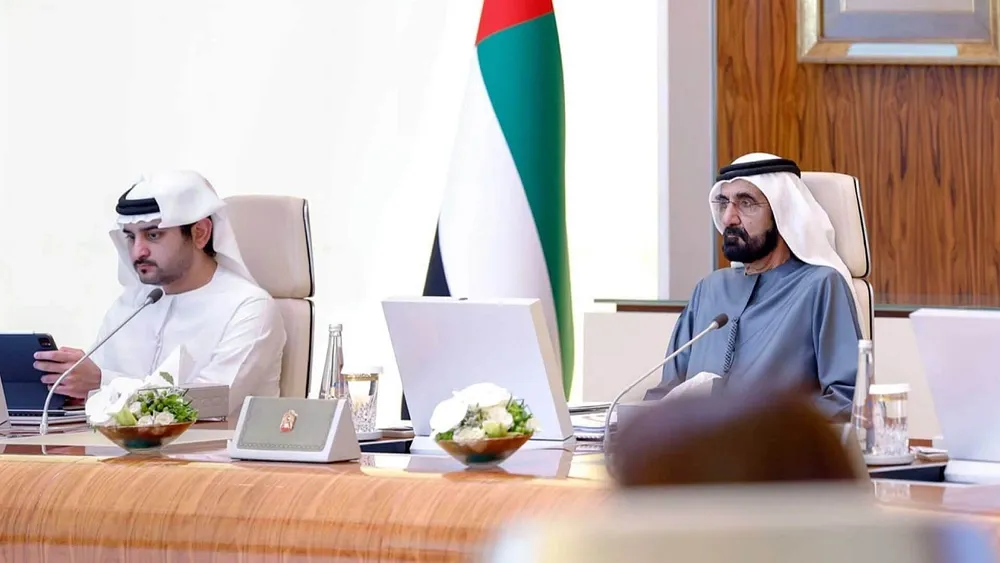
This landmark decision signals the UAE’s commitment to fostering sustainable growth, strengthening public services, and attracting foreign direct investment (FDI) through the launch of the National Investment Strategy 2031. The budget and strategy are designed to drive long-term prosperity, enhance competitiveness, and position the UAE federal budget 2026 as a leading global business hub.
Unprecedented UAE federal budget 2026
The 2026 federal budget reflects the UAE’s ambition to maintain fiscal discipline while investing heavily in key sectors such as infrastructure, healthcare, education, and digital transformation. The allocation of AED 92.4 billion is a significant increase from previous years, underscoring the government’s confidence in the country’s economic resilience and its ability to generate stable revenues. The budget prioritizes projects that support economic diversification, aiming to reduce reliance on oil and gas and promote growth in non-oil sectors.
The budget is also structured to support innovation and entrepreneurship, with targeted investments in technology, research and development, and green energy. By allocating funds to these areas, the UAE federal budget 2026 aims to create new job opportunities, attract global talent, and encourage startups and SMEs to thrive in the local ecosystem. The government’s focus on digital transformation is evident in the increased funding for AI, data centers, and smart city initiatives, which are expected to drive efficiency and improve the quality of life for residents.
National Investment Strategy 2031
Complementing the federal budget, the launch of the National Investment Strategy 2031 is a comprehensive roadmap to boost FDI and stimulate economic growth over the next several years. The strategy is built on three pillars:
**enhancing the investment climate, expanding global partnerships, and supporting local businesses.**
1. Enhancing the investment climate
The UAE is working to create a more attractive investment environment by streamlining regulations, offering incentives for foreign investors, and improving ease of doing business. The government has introduced new policies to facilitate the entry and operation of multinational companies, including tax breaks, visa reforms, and simplified licensing procedures. These measures are designed to make the UAE a preferred destination for global investors seeking stability, transparency, and growth opportunities.
2. Expanding global partnerships
The strategy emphasizes the importance of global partnerships. The UAE federal budget 2026 has been actively expanding its network of Comprehensive Economic Partnership Agreements (CEPAs) with countries around the world, including major economies in Asia, Europe, and Africa. These agreements are expected to open new markets for UAE businesses, facilitate technology transfer, and strengthen trade relations. The government is also promoting initiatives like the “UAE: Global Hub for Trade” program to attract multinational corporations and position the country as a gateway to the Middle East and beyond.
3. Supporting local businesses
The strategy focuses on supporting local businesses and entrepreneurs. The UAE federal budget 2026 is investing in programs that provide training, mentorship, and financial assistance to SMEs, helping them to scale up and compete globally. By empowering local enterprises, the government aims to create a more resilient and diversified economy that can withstand global economic shocks.
Impact on Key Sectors
The new federal budget and investment strategy are expected to have a profound impact on several key sectors of the UAE federal budget 2026 economy.
Infrastructure
Increased funding will accelerate the development of transportation networks, smart cities, and sustainable urban projects. The Etihad Rail project, for example, is set to connect 11 UAE federal budget 2026 cities by 2026, enhancing connectivity and facilitating the movement of goods and people.
Healthcare and Education
The budget will support the expansion of hospitals, clinics, and schools, ensuring that residents have access to high-quality services. The government is also investing in digital health solutions and e-learning platforms to improve outcomes and reach underserved communities.
Technology and Innovation
The UAE federal budget 2026 is positioning itself as a leader in AI, blockchain, and fintech. The Dubai Virtual Assets Regulatory Authority’s recent actions to enforce compliance in the fintech sector highlight the government’s commitment to creating a secure and transparent environment for digital assets. These efforts are expected to attract investment from global tech firms and foster a culture of innovation.
Economic Outlook and Business Confidence
The combination of a robust federal budget and a forward-looking investment strategy has bolstered business confidence in the UAE. Dubai’s economy grew by 4.4% year-on-year in the first half of 2025, driven by gains in wholesale and retail trade, tourism, and financial services. The World Bank has forecast a 4.8% growth for the UAE federal budget 2026 economy in 2025, while the IMF projects similar figures, reflecting the country’s strong fundamentals and policy effectiveness.
Foreign investors are also taking note of the UAE’s economic prospects. The National Investment Strategy 2031 is expected to attract billions of dollars in FDI over the next decade, supporting job creation, technology transfer, and economic diversification. The government’s focus on sustainability and innovation is likely to appeal to investors seeking long-term, high-impact opportunities.
Conclusion
The UAE’s approval of its largest-ever federal budget for 2026 and the launch of the National Investment Strategy 2031 mark a new chapter in the country’s economic journey. By investing in infrastructure, innovation, and global partnerships, the UAE federal budget 2026 is laying the foundation for sustained growth and prosperity. These initiatives are expected to boost business confidence, attract foreign investment, and position the UAE as a leading hub for trade and commerce in the region and beyond.