
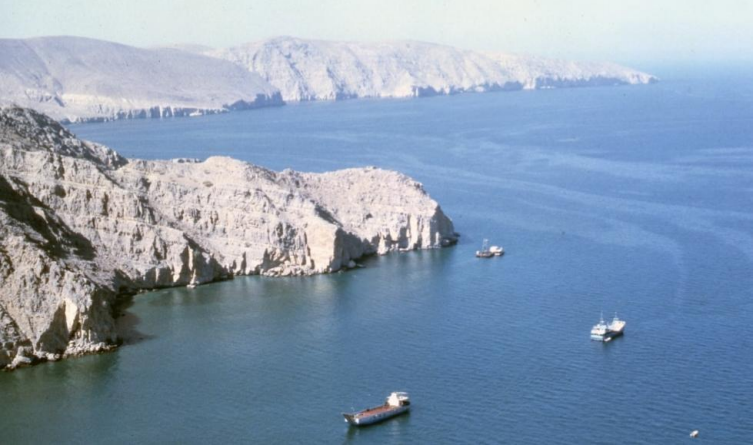
Iran temporarily the Strait of Hormuz Closure during a period of indirect negotiations with the United States, sending ripples across global energy markets and intensifying diplomatic scrutiny across the Gulf. The move, described by Iranian officials as part of scheduled naval drills, unfolded while diplomatic channels remained active over nuclear and sanctions-related discussions. The timing amplified its geopolitical weight, as nearly one-fifth of the world’s oil supply transits the narrow maritime corridor each day.
The Strait of Hormuz Closure, only about 33 kilometers wide at its narrowest point, connects the Persian Gulf to the Arabian Sea and is one of the most strategically sensitive chokepoints in global trade. According to energy analysts, approximately 17 to 20 million barrels of crude oil pass through the strait daily, alongside significant volumes of liquefied natural gas from Qatar. Even temporary disruptions are closely monitored by energy-importing nations, financial institutions, and shipping operators.
Iranian naval authorities confirmed that maritime traffic was briefly restricted to conduct live-fire exercises and “defensive readiness drills.” Officials in Tehran stated that the closure was temporary and precautionary, emphasizing that commercial vessels resumed transit after several hours. However, the proximity of the maneuver to ongoing diplomatic engagement raised concerns among Western officials and Gulf states.
Diplomacy and Deterrence Intersect
The temporary closure occurred as indirect talks between Iranian and U.S. representatives were underway, reportedly facilitated by regional intermediaries. The discussions focused on nuclear compliance frameworks, sanctions relief mechanisms, and regional de-escalation pathways. While both sides maintained guarded optimism about dialogue, the naval exercise signaled that geopolitical tensions remain layered and complex.
Iran’s Foreign Ministry reiterated that the country retains sovereign rights over its territorial waters and described the naval activity as routine. A senior Iranian official stated that “national security preparedness does not contradict diplomatic engagement.” Meanwhile, U.S. officials monitoring the situation emphasized the importance of ensuring freedom of navigation in international waters and reiterated commitments to maritime security.
Energy traders responded swiftly. Brent crude futures recorded short-term volatility during the announcement, reflecting market sensitivity to supply-route uncertainty. Though prices stabilized once shipping resumed, analysts noted that geopolitical risk premiums remain embedded in oil valuations whenever the Strait of Hormuz Closure becomes a focal point of tension.
The diplomatic environment remains delicate. While neither side signaled an immediate breakdown in talks, the episode highlighted the strategic interplay between negotiation and deterrence—a dynamic that has historically characterized U.S.-Iran relations.
Regional Markets React to the Shock
Gulf financial markets reacted cautiously to the temporary maritime disruption. Major indices in Saudi Arabia, the United Arab Emirates, and Qatar registered intraday fluctuations before regaining composure as confirmation of resumed navigation emerged. Energy-linked stocks displayed the sharpest movements, reflecting sensitivity to crude price swings.
The Strait of Hormuz Closure is particularly critical for Gulf exporters. Saudi Arabia, Iraq, Kuwait, and the UAE rely heavily on its passage for oil shipments, while Qatar’s LNG exports depend almost entirely on the corridor. Even a brief closure can affect insurance premiums, shipping schedules, and forward energy contracts.
Regional governments monitored developments closely. Maritime security agencies across the Gulf increased patrol visibility during the exercise period, underscoring coordinated vigilance. Analysts emphasized that although the closure was short-lived, repeated incidents of this nature could elevate shipping costs and disrupt supply chains.
Energy economists point out that global markets have grown accustomed to geopolitical turbulence in the region, yet remain acutely responsive to chokepoint disruptions. The Strait of Hormuz Closure narrow passage—barely wide enough for two shipping lanes in some sections—magnifies the impact of any military maneuver within its vicinity.
Global Implications for Energy and Security
The strategic importance of the Strait of Hormuz Closure extends far beyond the Middle East. Major energy-importing economies in Asia and Europe depend on uninterrupted Gulf exports. Countries such as China, India, Japan, and South Korea source significant volumes of crude and LNG via the strait, making its stability a matter of global economic interest.
Security analysts note that previous periods of tension in the waterway have prompted calls for diversified supply routes, including pipeline alternatives and expanded strategic reserves. However, the sheer volume of exports passing through Hormuz makes full substitution challenging. As a result, the strait remains a focal point of global maritime security strategy.
International naval forces, including those under multinational maritime coalitions, maintain a presence in surrounding waters to safeguard commercial shipping. The temporary closure reignited debates over the legal and operational frameworks governing navigation rights in strategic waterways.
While oil prices did not spike dramatically following confirmation of resumed passage, risk assessments remain elevated. Market observers argue that sustained diplomatic engagement between Tehran and Washington will be crucial in reducing volatility and restoring confidence.
Balancing Stability and Strategic Messaging
The episode illustrates the delicate equilibrium between diplomacy and power projection in the Gulf. Iran’s leadership appears intent on signaling maritime capability without fully derailing negotiations. Conversely, U.S. officials have underscored the importance of dialogue while reiterating commitments to regional allies.
Regional analysts interpret the maneuver as both a tactical military exercise and a strategic reminder of Iran’s leverage over global energy flows. Yet they caution that such actions, even if temporary, can carry disproportionate economic and political consequences.
For Gulf states and international stakeholders alike, the incident reinforces the interconnectedness of security and economic stability. Energy markets, financial systems, and diplomatic frameworks are deeply intertwined with maritime safety in the region.
As negotiations continue, the Strait of Hormuz Closure remains emblematic of the broader U.S.-Iran relationship—an arena where strategic caution, diplomatic engagement, and geopolitical signaling converge. The temporary closure may have lasted only hours, but its implications resonate far beyond the narrow waters it briefly sealed.