
Global oil markets have entered a period of heightened volatility as crude prices surged above $110 per barrel, driven by escalating geopolitical tensions in the Middle East and mounting fears of supply disruption. The latest rally follows renewed threats of military escalation and continued uncertainty surrounding key shipping routes, particularly the Strait of Hormuz, a critical artery for global energy flows.
The surge marks one of the most significant Oil Price Surge movements in recent years, with oil witnessing sharp intraday fluctuations as investors react to both conflict developments and diplomatic signals. Brent and West Texas Intermediate (WTI) crude benchmarks have both crossed key psychological levels, reflecting market anxiety over sustained supply constraints.
This development underscores the growing interconnectedness of geopolitics and energy markets. As tensions intensify, Oil Price Surge are increasingly being shaped not just by demand-supply fundamentals but by strategic risks, military developments, and global trade disruptions.
Geopolitical Escalation Driving Oil Price Surge
Primary Catalyst:
The escalating conflict involving Iran, the United States, and Israel, with fresh warnings of military strikes targeting Iranian infrastructure.
Mixed Signals:
While there have been indications of potential ceasefire discussions, continued threats and ongoing attacks have reinforced uncertainty, prompting markets to price in a higher risk premium.
Infrastructure Targets:
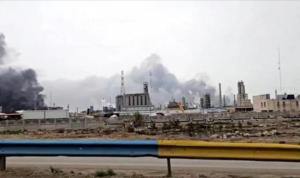
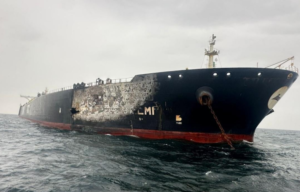
Energy infrastructure has become a focal point, with reports of drone and missile strikes targeting oil facilities across the region, intensifying concerns about production and export capabilities.
Supply Disruptions and the Strait of Hormuz Crisis
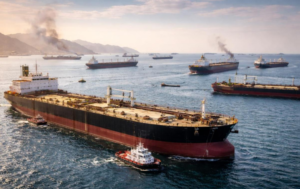
A key factor amplifying the price surge is the disruption of oil flows through the Strait of Hormuz. The effective closure or restriction of this route has removed a substantial portion of supply from the market.
Impact Scale:
Reports suggest that as much as 12–15 million barrels per day of supply has been affected. This level of disruption is unprecedented in recent history and has forced buyers to seek alternative sources of crude.
The impact has been particularly pronounced in Asia and Europe, where refiners are scrambling to secure supplies from the United States and other regions, leading to record premiums for alternative crude grades.
Market Volatility and Investor Sentiment
Price Swings:
Recent trading sessions have seen gains of 8–11% in a single day, followed by slight corrections as investors reassess the situation.
Investor Fragility:
Sentiment remains fragile; the possibility of further escalation supports high prices, while minor signs of de-escalation trigger temporary pullbacks.
Broader Markets:
Equities have declined while safe-haven assets have gained traction. The surge has also raised inflation concerns, prompting a cautious stance from central banks.
Global Economic and Inflationary Impact
The sharp rise in Oil Price Surge is increasing transportation, manufacturing, and production expenses across industries.
Vulnerable Economies:
Countries heavily dependent on energy imports—such as India, Japan, and several European nations—are seeing widened trade deficits and weakened currencies.
Policy Dilemma:
Central banks face a difficult environment where inflationary pressures warrant tighter policy, but the risk of slowing growth complicates decision-making.
Outlook
The current environment is characterized by uncertainty and volatility. In the short term, Oil Price Surge are likely to remain elevated as long as the conflict persists and supply disruptions continue.
Looking ahead, the crisis highlights the vulnerability of global energy systems to geopolitical shocks. It reinforces the need for diversification of energy sources and long-term strategies to reduce dependence on volatile regions. Until stability is restored, oil markets will remain a key barometer of global economic and geopolitical risk.