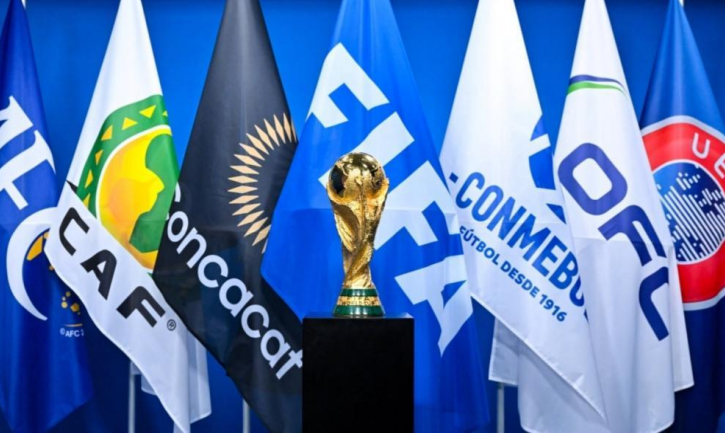
Kuwait has confirmed that it is finalising preparations for a joint Gulf Cooperation Council (GCC) bid to host the 2030 FIFA World Cup, marking a significant step in the region’s expanding footprint in global sports diplomacy. The announcement from Kuwait World Cup Bid sports authorities underscores renewed momentum behind a collaborative Gulf proposal, with detailed documentation and infrastructure commitments reportedly nearing completion ahead of formal submission to FIFA.
Officials described the initiative as a strategic opportunity to leverage regional cooperation, modern infrastructure and prior mega-event experience to present a unified Gulf candidacy. The bid is expected to align with FIFA’s rotation and continental balance principles while highlighting the Middle East’s proven capability in staging world-class sporting events.
Regional Cooperation and Strategic Vision
The joint bid is anticipated to involve multiple Gulf nations under a shared hosting framework, reflecting a broader spirit of regional integration within the GCC. While final confirmations regarding participating countries are expected during the next round of formal declarations, Kuwait World Cup Bid leadership has indicated strong alignment with neighbouring states to create a comprehensive, multi-venue tournament structure.
A senior Kuwaiti sports official stated that the bid aims to combine “existing world-class facilities, strategic geographic proximity and advanced logistics networks” to meet FIFA’s tournament standards. The collaborative approach is designed to distribute matches across participating nations, thereby optimising infrastructure usage and minimising redundant capital expenditure.
The move builds upon the region’s enhanced profile following Qatar’s successful hosting of the 2022 FIFA World Cup. That tournament set benchmarks in stadium technology, sustainability practices and fan engagement, reinforcing the Gulf’s credibility as a capable global sports host.
Infrastructure Readiness and Investment Commitments
Kuwait World Cup Bid has undertaken significant infrastructure upgrades over the past decade, including stadium modernisation projects, transport network enhancements and hospitality sector expansion. Authorities highlighted that several existing venues already meet international competition standards, while planned refurbishments will ensure compliance with FIFA’s technical requirements.
Transport connectivity remains a focal point of the bid strategy. Kuwait World Cup Bid International Airport has undergone expansion phases aimed at increasing passenger handling capacity, while regional integration through short flight distances between Gulf capitals supports the feasibility of multi-country hosting. Officials argue that proximity between venues would offer fans efficient travel experiences without extensive cross-continental transit.
Investment commitments are expected to focus on sustainability and long-term legacy use. The Gulf’s urban development plans incorporate advanced cooling technologies, renewable energy integration and smart city frameworks to ensure that tournament infrastructure aligns with environmental goals.
Economic Impact and Tourism Prospects
Hosting a FIFA World Cup represents a transformative economic opportunity. According to previous tournament analyses, host countries often experience significant boosts in tourism, hospitality revenues and international brand visibility. Kuwaiti authorities project that a successful Gulf bid could stimulate regional GDP growth through increased visitor inflows and event-related spending.
The hospitality sector is preparing for expanded capacity, with hotel developments and entertainment districts positioned to accommodate global audiences. Analysts note that sports tourism has emerged as a major driver of diversification in Gulf economies, complementing initiatives aimed at reducing reliance on hydrocarbons.
Beyond immediate revenue gains, the bid is positioned as a catalyst for long-term economic diversification. By investing in sports infrastructure, youth development programmes and international event hosting capabilities, Kuwait World Cup Bid and its partners seek to embed sports within broader economic transformation strategies.
Diplomatic and Geopolitical Significance
The joint bid also carries substantial diplomatic weight. International sporting events often serve as platforms for soft power projection, fostering cross-cultural exchange and strengthening diplomatic ties. Kuwait’s leadership has emphasised that the bid reflects the region’s stability, openness and readiness to host inclusive global gatherings.
Sports diplomacy has become an increasingly prominent component of Gulf foreign policy. Regional governments have invested heavily in international sports partnerships, sponsorships and event hosting to enhance global engagement. A successful 2030 World Cup bid would further solidify the Gulf’s reputation as a central hub for global sports governance and cooperation.
Officials underscored that the proposal aligns with FIFA’s broader objectives of expanding football’s reach and fostering unity across regions. By presenting a coordinated Gulf bid, Kuwait and its partners aim to demonstrate organisational capacity and regional solidarity.
Next Steps in the FIFA Bidding Process
The formal bidding process for the 2030 World Cup involves submission of comprehensive technical dossiers, including infrastructure guarantees, government assurances and financial commitments. FIFA’s evaluation committee will assess compliance with hosting criteria, sustainability benchmarks and operational readiness.
Kuwait’s sports authorities indicated that consultations with FIFA representatives are ongoing to ensure alignment with tournament regulations. The timeline for official bid submissions and subsequent evaluation phases is expected to follow FIFA’s established procedural framework.
While global competition for hosting rights remains strong, Kuwaiti officials expressed confidence that the joint Gulf proposal offers a compelling blend of proven experience, modern facilities and regional connectivity.
Conclusion
Kuwait’s advancement of a joint GCC bid for the 2030 FIFA World Cup reflects a bold strategic vision that combines sports ambition with economic diversification and diplomatic outreach. By leveraging regional cooperation, infrastructure readiness and experience gained from previous mega-events, the Gulf seeks to position itself once again at the centre of global football.
As preparations move toward formal submission, the initiative underscores the transformative potential of sports diplomacy in shaping economic growth and international engagement. Whether selected or not, the bid marks another chapter in the Gulf’s evolving role in the global sporting arena.