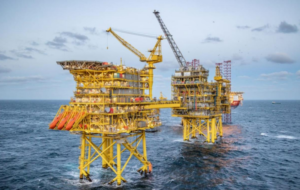
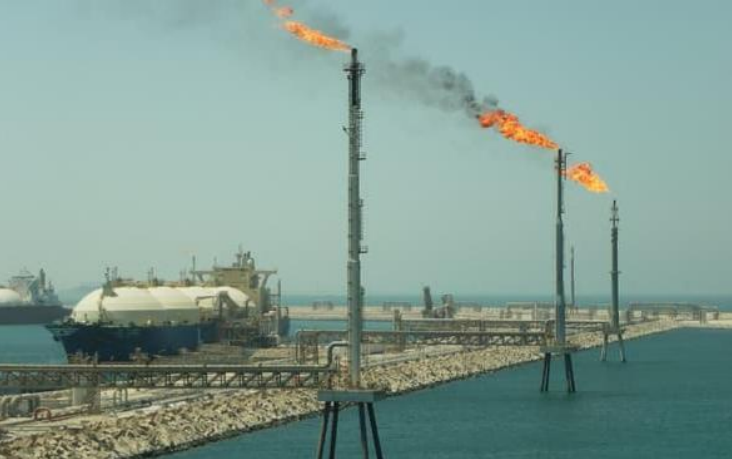
A series of intensified strikes on Gulf energy infrastructure has significantly escalated the regional crisis, with Iran’s repeated missile attacks on Qatar’s Ras Laffan Industrial City emerging as the most consequential development. The complex, widely recognised as the world’s largest liquefied natural gas hub, has sustained extensive structural and operational damage, marking a turning point in the nature of the conflict. What began as targeted retaliation has now evolved into a sustained campaign against critical energy assets, with direct implications for global markets and regional stability.
At Ras Laffan, multiple strikes have resulted in fires across processing units, damage to storage facilities, and disruption to export terminals. The scale of the impact is amplified by the strategic importance of the site, which accounts for roughly one-fifth of global LNG supply. Damage to such a central node in the global energy system has triggered immediate concern among policymakers, energy companies and financial markets, reflecting the interconnected nature of modern supply chains.
The escalation is not limited to Qatar alone. Parallel strikes on oil refineries, gas fields and petrochemical complexes across Saudi Arabia, the United Arab Emirates and Kuwait indicate a broader strategic shift toward economic and energy warfare. By targeting infrastructure rather than purely military assets, the conflict has entered a phase where its consequences extend far beyond the battlefield, directly affecting global energy security and economic stability.
Damage at Ras Laffan: Extent and Strategic Significance
The attacks on Ras Laffan Industrial City have inflicted widespread damage across key components of the Iran LNG strikes production and export chain. Processing units responsible for liquefaction have been impacted, leading to operational disruptions and temporary shutdowns of several production lines. Storage tanks and associated infrastructure have also been affected, raising concerns about safety risks and long-term capacity constraints. Fires triggered by missile impacts have further complicated recovery efforts, with emergency teams working to contain damage and prevent escalation.
The strategic significance of Ras Laffan cannot be overstated. As the backbone of Qatar’s LNG industry, the facility plays a central role in supplying energy to markets across Asia, Europe and beyond. Any disruption at this scale has immediate ripple effects, influencing gas prices, supply contracts and energy security strategies of importing nations. The repeated nature of the strikes has compounded these effects, creating uncertainty about the timeline for restoration and the reliability of future supply.
In addition to physical damage, the attacks have disrupted logistical operations within the complex. Export schedules have been affected, with delays in shipments and adjustments to loading operations. The cumulative impact of these disruptions has placed significant strain on global Iran LNG strikes markets, highlighting the vulnerability of concentrated energy infrastructure to geopolitical conflict.
Expansion of Attacks Across Gulf Energy Facilities
Beyond Qatar, the pattern of strikes has extended to key energy installations across multiple Gulf nations, indicating a coordinated approach aimed at maximizing economic disruption. In Saudi Arabia, major refining and petrochemical facilities have been targeted, including installations along the Red Sea coast that serve as alternative export routes. Damage to these facilities has resulted in temporary halts in crude loading operations and disruptions to downstream processing activities.
In the United Arab Emirates, gas processing facilities such as the Habshan complex and oil fields including Bab have faced missile and drone threats, with interceptions preventing full-scale damage but still causing operational interruptions. The targeting of these facilities underscores their importance in the region’s energy network, as they contribute significantly to both domestic supply and export capacity.
Kuwait’s refining infrastructure has also been affected, with reports of fires at major refineries following drone strikes. These incidents have disrupted refining operations and raised concerns about the resilience of critical energy assets in the face of sustained attacks. Collectively, these developments illustrate a shift toward a broader regional strategy, where multiple nodes of the energy supply chain are targeted simultaneously to amplify impact.
Impact on Global Energy Markets and Supply Chains
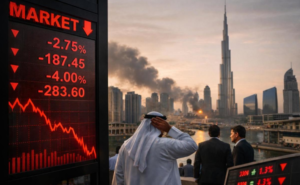
The immediate consequence of these attacks has been a sharp reaction in global energy markets. Oil prices have surged significantly, reflecting concerns about supply disruptions and the potential for further escalation. Gas markets have experienced similar volatility, with prices rising in response to uncertainty surrounding Iran LNG strikes exports from Qatar. The scale and speed of these market movements highlight the sensitivity of global energy systems to disruptions in key production hubs.
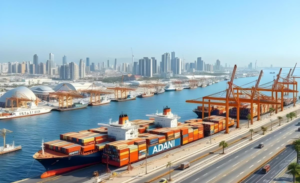
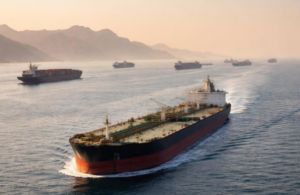
Supply chains have also been affected, with delays in shipments and increased costs for transportation and insurance. Shipping routes through the Gulf have become more hazardous, leading to rerouting of vessels and extended transit times. These disruptions have had a cascading effect on industries dependent on energy supplies, including manufacturing, transportation and power generation.
The broader economic implications are equally significant. Rising energy prices contribute to inflationary pressures, affecting both developed and developing economies. As countries adjust to the changing supply landscape, the crisis has underscored the importance of diversification and resilience in energy sourcing. The events have therefore not only impacted immediate supply but also reshaped longer-term strategic considerations in global energy policy.
Strategic and Geopolitical Implications
The targeting of energy infrastructure represents a deliberate shift in the strategic framework of the conflict, moving from conventional military engagement to economic disruption. By focusing on critical nodes within the energy supply chain, the attacks aim to exert pressure not only on regional adversaries but also on global stakeholders who depend on Gulf energy exports. This approach reflects the increasing role of economic assets as instruments of geopolitical leverage.
The response from Gulf nations has been marked by heightened security measures and increased coordination among regional and international partners. Air defence systems have been activated across multiple countries, and efforts are underway to protect key installations from further attacks. At the same time, diplomatic channels are being explored to contain the escalation and prevent a broader regional conflict.
The situation also raises questions about the resilience of global energy infrastructure in an era of geopolitical uncertainty. The concentration of production and export facilities in specific regions creates vulnerabilities that can be exploited in times of conflict. As such, the current crisis may accelerate efforts to diversify energy sources and invest in alternative technologies, reshaping the global energy landscape in the process.
Outlook
The repeated strikes on Ras Laffan and other Gulf energy facilities mark a critical escalation in the ongoing crisis, transforming it into a conflict with far-reaching economic and strategic implications. The damage inflicted on one of the world’s most important Iran LNG strikes hubs has highlighted the fragility of global energy systems and the potential consequences of sustained disruption.
In the immediate term, the focus will remain on assessing the extent of damage, restoring operations and ensuring the safety of personnel and infrastructure. The ability of affected countries to respond effectively will be crucial in determining the trajectory of the crisis and its impact on global markets.
Looking ahead, the events are likely to influence both regional dynamics and global energy strategies. As nations grapple with the implications of the attacks, the need for resilience, diversification and cooperation will become increasingly evident. The crisis serves as a stark reminder of the interconnected nature of modern economies, where developments in one region can have profound effects across the world.