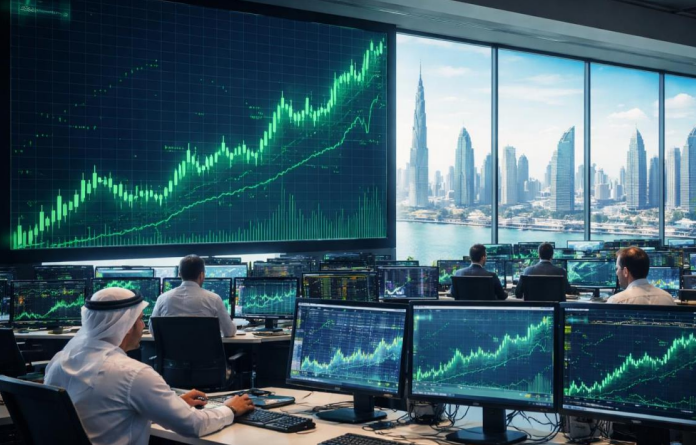
Stock markets across the Gulf Markets Rise region recorded broad gains as signs of diplomatic progress between the United States and Iran eased geopolitical tensions and strengthened investor sentiment. The upward movement was observed across major exchanges including Saudi Arabia, the United Arab Emirates and Qatar, with financial, energy and petrochemical stocks leading the rally. The development reflects how closely regional markets remain tied to geopolitical risk and oil price dynamics.
The diplomatic engagement between Washington and Tehran, described by officials as constructive and forward-looking, has reduced immediate concerns over escalation in the Gulf. Investors responded positively to indications that discussions had advanced on key “guiding principles,” particularly those related to nuclear oversight and regional stability. Even incremental diplomatic signals tend to influence Gulf Markets Rise, where political risk premiums are often priced into equities and bonds.
The rally also coincided with a rise in crude oil prices, which climbed more than one per cent during trading sessions, further reinforcing market confidence. As hydrocarbon exports remain central to Gulf economies, fluctuations in energy prices directly shape corporate earnings expectations, fiscal balances and overall economic outlook.
Market Performance Across the Region
Saudi Arabia’s benchmark index posted notable gains, with banking and energy shares driving momentum. Analysts observed that investors increased exposure to blue-chip stocks amid expectations that easing geopolitical tensions could support cross-border investment and trade flows. The Kingdom’s financial sector, often seen as a barometer of economic confidence, responded particularly strongly.
In the United Arab Emirates, both Abu Dhabi and Dubai exchanges recorded upward movement. Energy-linked firms, logistics operators and large property developers saw renewed buying interest. Market participants cited improved oil price stability and reduced immediate security concerns as primary drivers behind the rally.
Qatar and Kuwait also reflected similar trends, though with more moderate gains. Trading volumes rose in several exchanges, suggesting broader participation rather than isolated institutional buying. Regional fund managers noted that the synchronised movement across Gulf Markets Rise underscores the interconnected nature of the region’s financial ecosystem.
Oil Prices and Energy Sector Influence
Oil prices climbed more than one per cent during the session, supported by optimism that diplomatic engagement could reduce supply disruption risks in the region. Brent crude futures and West Texas Intermediate benchmarks both moved higher, reinforcing revenue expectations for Gulf hydrocarbon exporters.
Energy companies across the Gulf benefited from the upward momentum. Petrochemical producers, refiners and upstream operators saw increased investor demand as expectations of sustained global demand combined with geopolitical de-escalation. Energy stocks typically serve as anchors in Gulf indices, meaning even modest gains in oil prices can significantly lift overall market performance.
Economists emphasised that while diplomatic progress may stabilise prices, markets remain cautious about longer-term supply adjustments. Any formal agreement between the U.S. and Iran could potentially influence global oil flows, particularly if sanctions frameworks are revised. Investors are therefore balancing short-term optimism with long-term structural considerations.
Diplomatic Developments and Investor Sentiment
Officials from both Washington and Tehran characterised recent discussions as constructive, indicating movement toward shared principles aimed at reducing nuclear tensions and promoting regional stability. While no formal agreement has been announced, the tone of the talks has been markedly less confrontational than in previous negotiation rounds.
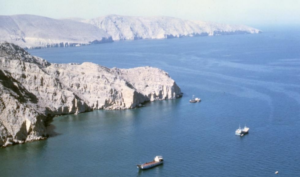
Market strategists note that Gulf equities are highly sensitive to diplomatic rhetoric. Statements signalling cooperation tend to narrow risk premiums, whereas hostile exchanges can trigger volatility. The latest developments appear to have reduced immediate fears of escalation in the Strait of Hormuz, a critical artery for global oil shipments.
Regional political analysts suggest that even incremental progress can have outsized psychological effects on investors. Confidence often rebounds quickly when the likelihood of conflict diminishes, particularly in energy-dependent markets where geopolitical stability directly influences fiscal sustainability and corporate performance.
Broader Economic Implications
The rally in Gulf stock markets reflects more than short-term trading dynamics; it also signals cautious optimism regarding economic resilience in the region. Improved investor confidence may encourage cross-border capital flows, new listings and expansion in non-oil sectors such as tourism, logistics and technology.
Banking institutions could benefit from increased lending activity if businesses interpret diplomatic progress as a stabilising factor. Lower perceived geopolitical risk often translates into improved credit conditions, potentially stimulating investment across infrastructure, real estate and industrial development.
At the same time, policymakers in the Gulf Markets Rise remain focused on economic diversification strategies. While oil remains central to fiscal revenue, governments continue to expand into renewable energy, digital transformation and advanced manufacturing. Market stability linked to geopolitical easing may accelerate these long-term diversification plans.
Risks and Forward Outlook
Despite the positive reaction, analysts caution that negotiations remain ongoing and subject to political complexities. Diplomatic breakthroughs often require sustained dialogue and verification mechanisms, and markets may experience volatility if talks stall or encounter setbacks.
Investors are also monitoring global economic conditions, including inflation trends, interest rate movements and demand patterns in major economies. External macroeconomic pressures could offset some of the gains driven by diplomatic optimism, particularly if global growth projections weaken.
Nevertheless, the immediate market response highlights the significance of geopolitical developments in shaping Gulf Markets Rise financial trajectories. If diplomatic engagement continues constructively, regional markets could sustain their upward momentum in the near term. For now, the rally represents a vote of confidence in dialogue over confrontation, a signal that financial markets are quick to reward even incremental progress toward stability.