A sharp Gulf market rally across Gulf financial markets has signaled a dramatic shift in investor sentiment, as reports of a potential ceasefire between the United States and Iran sparked optimism across the region. Equity markets in Dubai, Abu Dhabi, Saudi Arabia, and Qatar recorded notable gains following confirmation that Washington had submitted a 15-point proposal aimed at ending the ongoing conflict, marking the first structured diplomatic breakthrough in weeks.
The Gulf market rally reaction was immediate and significant. Dubai’s benchmark index surged by 4.2%, its strongest single-day gain since late 2024, while Abu Dhabi rose approximately 2%, with similar upward movements recorded across other Gulf exchanges. This rally reflects the region’s sensitivity to geopolitical developments, particularly those affecting energy flows and regional stability.
Beyond equities, global markets also responded positively, with oil prices falling and bond yields easing as investors recalibrated expectations around supply disruptions and inflation pressures. The developments underscore how closely financial systems are tied to geopolitical risk, particularly in a region that sits at the heart of global energy supply chains.
Market Rally Driven by Ceasefire Optimism
The rally across Gulf market rally was led by strong performances in key sectors, particularly real estate and banking, which are highly sensitive to economic stability and investor confidence. In Dubai, major companies such as Emaar Properties rose by over 7%, while Emirates NBD gained nearly 6.8%, reflecting renewed optimism among investors.
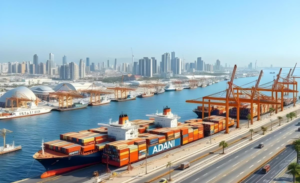
In Abu Dhabi, the upward trend was similarly pronounced, with Aldar Properties climbing more than 6% and ADNOC Logistics posting gains exceeding 4%. These movements highlight how quickly capital flows can shift in response to perceived reductions in geopolitical risk, particularly in markets that had previously experienced volatility due to escalating tensions.
Other Gulf market rally also recorded gains, including Qatar, which rose approximately 1.4%, and Saudi Arabia, where the benchmark index increased by around 1.2%. Even traditionally stable energy giants such as Saudi Aramco saw modest gains, indicating broad-based confidence across sectors.
Oil Price Decline Signals Easing Supply Concerns
One of the most significant developments accompanying the market rally was the sharp decline in oil prices, which fell by nearly 5% as ceasefire prospects reduced fears of supply disruptions. This reversal comes after weeks of volatility driven by disruptions in the Strait of Hormuz and attacks on energy infrastructure.
The decline in oil prices reflects expectations that a ceasefire could restore stability to key shipping routes and production facilities. The Strait of Hormuz, through which a substantial portion of global oil and gas flows, has been at the center of recent disruptions, making any sign of de-escalation highly consequential for global energy markets.
At the same time, global benchmarks such as Brent crude and West Texas Intermediate also recorded declines, reinforcing the broader trend of easing energy concerns. However, analysts have cautioned that price stability will depend on the actual implementation of any ceasefire agreement, rather than mere expectations.
Diplomatic Developments and Uncertainty
The optimism driving market gains is rooted in reports that the United States has submitted a 15-point ceasefire proposal to Iran, outlining conditions for de-escalation. While Washington has indicated progress in negotiations, Tehran has publicly denied direct talks, describing the situation as unclear and unresolved.
This divergence between diplomatic signaling and official positions highlights the uncertainty surrounding the proposal. While markets have reacted positively to the possibility of peace, the absence of formal agreement means that risks remain elevated. Investors are therefore navigating a complex landscape where optimism is tempered by caution.
The situation is further complicated by ongoing hostilities, including continued airstrikes between Israel and Iran. These developments underscore the fragility of the current moment, where diplomatic progress coexists with active conflict on the ground.
Strategic Adjustments in Energy and Trade
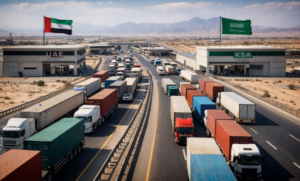
Amid ongoing disruptions, Gulf countries have demonstrated adaptability in maintaining energy exports and supply chains. Saudi Arabia, for instance, has increased crude shipments through its East-West pipeline, bypassing the Strait of Hormuz and ensuring continuity of supply.
This strategic shift highlights the importance of infrastructure resilience in mitigating the impact of geopolitical risks. By diversifying export routes and strengthening logistics capabilities, Gulf nations are reducing their vulnerability to disruptions in critical chokepoints.
At the same time, companies such as ADNOC have emphasized that their operations remain stable despite regional tensions, providing reassurance to investors and markets. These measures have played a key role in supporting confidence and enabling the recent Gulf market rally.
Outlook
The surge in Gulf market rally following reports of a US–Iran ceasefire proposal marks a significant moment in the intersection of geopolitics and global finance. It reflects not only the immediate impact of diplomatic developments on investor sentiment but also the broader importance of stability in a region central to global energy supply.
In the short term, markets are likely to remain highly sensitive to further developments, with any confirmation or rejection of the ceasefire proposal expected to trigger significant movements. The current optimism, while encouraging, remains contingent on tangible progress in negotiations.
Looking ahead, the situation underscores the need for sustained diplomatic engagement and strategic resilience. While the recent rally highlights the potential for rapid recovery in times of reduced tension, it also serves as a reminder of the volatility inherent in geopolitically sensitive markets. As the Gulf navigates this critical phase, its ability to balance stability, growth, and risk management will shape both regional and global economic outcomes.