A coordinated diplomatic warning from Gulf nations has underscored the growing urgency of de-escalation efforts in the Middle East, as regional powers caution that continued conflict risks triggering a broader crisis. Countries including Saudi Arabia, the United Arab Emirates, Kuwait, and their regional allies have issued strong statements condemning recent attacks and warning that further Gulf escalation risks could destabilise the region’s fragile security and economic balance. These warnings come at a time when tensions have already spilled into critical infrastructure, financial markets, and global energy supply chains.
The joint messaging reflects a shift toward unified Gulf diplomacy, where regional actors are increasingly coordinating their responses to external threats. Officials have described the current situation as an “existential threat,” pointing to drone and missile attacks targeting infrastructure and civilian areas. The scale and frequency of such incidents have heightened concerns that the conflict is entering a more dangerous phase, with the potential for widespread economic and humanitarian consequences.
At the core of these concerns lies the fear of miscalculation. Gulf leaders have warned that further military actions—particularly those targeting strategic assets—could provoke retaliatory strikes across the region. This dynamic has raised the stakes for all parties involved, transforming the crisis from a contained conflict into a potential regional flashpoint with global implications.
Coordinated Gulf Diplomatic Response
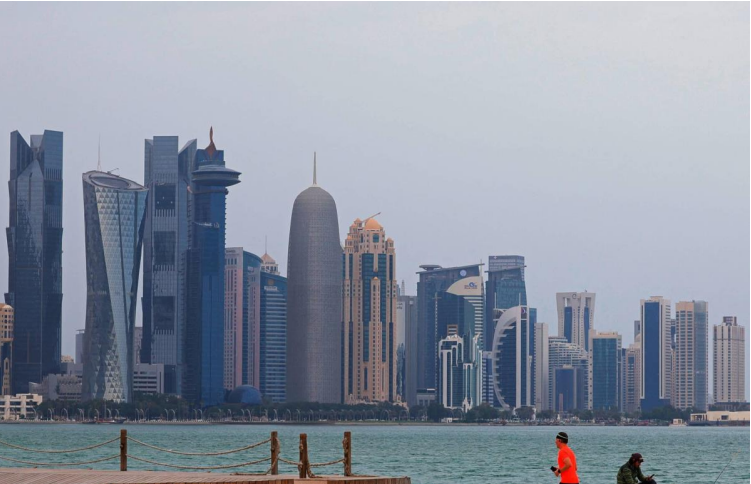
The joint warning issued by Gulf nations marks a significant moment in regional diplomacy, highlighting a unified stance against Gulf escalation risks. Countries including Saudi Arabia, the UAE, Bahrain, Kuwait, and Qatar have collectively condemned recent attacks, describing them as violations of sovereignty and international law. This coordinated approach reflects a growing recognition that individual responses are insufficient in the face of a shared regional threat.
Diplomatic efforts have extended to international forums, including the United Nations, where Gulf representatives have raised concerns about the impact of ongoing hostilities. By bringing the issue to global attention, these nations aim to build international pressure for de-Gulf escalation risks and accountability. The move also underscores the importance of multilateral engagement in addressing complex geopolitical challenges.
At the same time, Gulf states have emphasised the need for restraint from major global powers involved in the conflict. Behind-the-scenes diplomacy has played a crucial role, with regional actors warning that further Gulf escalation risks could have unintended consequences. These warnings have reportedly influenced strategic decisions, including pauses in planned military actions, indicating the growing diplomatic weight of Gulf nations.
Threats to Energy and Critical Infrastructure
One of the most pressing concerns highlighted by Gulf nations is the vulnerability of critical infrastructure, particularly energy and water facilities. The region’s economies—and indeed much of the global energy market—depend on the uninterrupted functioning of these assets. Recent attacks and threats have brought this vulnerability into sharp focus, raising fears of widespread disruption.
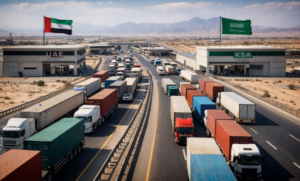
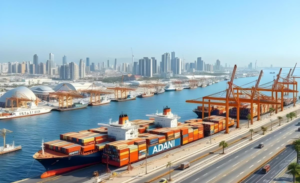
The Strait of Hormuz remains a central point of concern, as it handles a significant portion of global oil and gas shipments. Any disruption to this vital shipping route could have immediate and far-reaching consequences, including spikes in energy prices and supply shortages. Gulf leaders have warned that escalating conflict could jeopardise the stability of this corridor, amplifying global economic risks.
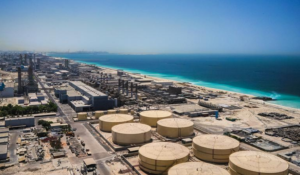
In addition to energy infrastructure, water desalination plants—critical for sustaining life in the region—have also been identified as potential targets. Given that many Gulf countries rely heavily on desalination for their water supply, any damage to these facilities could have severe humanitarian implications. This dual threat to energy and water systems underscores the high stakes involved in the current crisis.
Economic and Market Implications
The Gulf escalation risks highlighted by Gulf nations are already having tangible effects on regional and global markets. Oil prices have shown significant volatility, reflecting uncertainty over supply disruptions and geopolitical developments. At the same time, equity markets in the Gulf have experienced fluctuations, with investor sentiment closely tied to developments in the conflict.
Beyond immediate market reactions, the crisis poses longer-term challenges for economic stability. Gulf economies, which are heavily reliant on energy exports, face the prospect of disrupted revenues and increased costs associated with security and infrastructure protection. The situation has also prompted discussions about the need for greater economic diversification and resilience.
Global markets are equally affected, as the Gulf region plays a central role in the world’s energy supply chain. Any prolonged disruption could have cascading effects on inflation, trade, and economic growth worldwide. This interconnectedness highlights the broader significance of the Gulf crisis, extending far beyond regional boundaries.
Rising Risk of Regional Escalation
The warnings issued by Gulf nations reflect deep concerns about the trajectory of the conflict and the potential for further Gulf escalation risks. Officials have pointed to the increasing frequency and intensity of attacks as indicators that the situation is deteriorating. The involvement of multiple actors adds complexity, increasing the likelihood of unintended consequences.
Military developments, including build-ups and strategic positioning, have further heightened tensions. Gulf states have expressed concern that they could be drawn into a broader conflict despite not being direct participants in initial hostilities. This risk of spillover has become a central theme in their diplomatic messaging.
The possibility of miscalculation remains a critical concern. In a highly volatile environment, even minor incidents can escalate rapidly, leading to disproportionate responses. Gulf leaders have therefore emphasised the importance of communication and restraint, warning that failure to manage the situation carefully could result in a full-scale regional crisis.
Outlook
The joint warning issued by Gulf nations represents a clear signal that the region is approaching a critical juncture. With threats to infrastructure, economic stability, and regional security intensifying, the need for coordinated action and diplomatic engagement has never been greater. The unified stance adopted by Gulf countries highlights both the severity of the situation and their determination to prevent further Gulf escalation risks.
In the immediate term, efforts will likely focus on stabilising the situation through diplomatic channels and reducing the risk of miscalculation. The involvement of international organisations and global powers will be crucial in shaping the trajectory of the crisis. However, the complexity of the conflict means that achieving lasting stability will require sustained and coordinated efforts.
Looking ahead, the developments underscore the importance of resilience and preparedness in an increasingly uncertain geopolitical landscape. For Gulf nations, the challenge will be to balance immediate security concerns with long-term economic and strategic priorities. As the situation evolves, the region’s ability to navigate these challenges will play a defining role in shaping both regional and global outcomes.