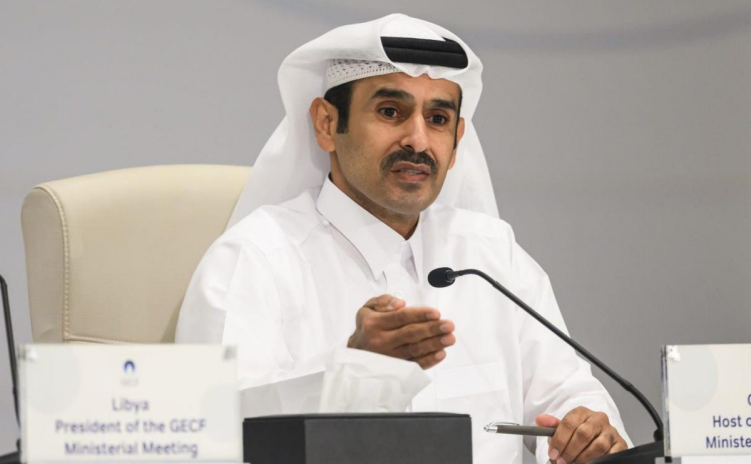
Qatar has issued a stark warning that escalating conflict in the Gulf region could disrupt energy exports from one of the world’s most critical hydrocarbon corridors, potentially triggering severe consequences for global oil and gas markets. Saad Sherida Al-Kaabi, Qatar’s Minister of State for Energy Affairs and Chief Executive of QatarEnergy, cautioned that if military tensions intensify and maritime security deteriorates, energy shipments from Gulf producers could face serious interruptions within weeks. The warning comes at a time when the region supplies a substantial portion of the world’s crude oil and liquefied natural gas (LNG), making any disruption a matter of immediate global concern.
The Gulf region, particularly the Strait of Hormuz, functions as a strategic artery for global energy flows. According to international energy market estimates, roughly 20% of the world’s petroleum liquids and around one-fifth of global LNG trade pass through this narrow maritime corridor connecting the Persian Gulf with the Arabian Sea. Qatar alone is responsible for approximately 77 million tonnes of LNG exports annually, accounting for nearly 20% of global LNG supply, while neighbouring producers such as Saudi Arabia, the United Arab Emirates, Kuwait and Iraq collectively export millions of barrels of crude oil every day through the same route.
Strategic Importance of Gulf Energy Routes
The Gulf region has long served as the backbone of global energy supply chains, with several of the world’s largest oil and gas producers located along its coastline. Saudi Arabia, the United Arab Emirates, Kuwait, Iraq and Qatar collectively export more than 17 million barrels of crude oil per day, according to data from the International Energy Agency (IEA). In addition, Qatar dominates global LNG markets as one of the largest exporters of liquefied natural gas, supplying key Asian and European economies.
The Strait of Hormuz, which is only about 33 kilometres wide at its narrowest point, remains the primary transit route for these shipments. Energy analysts estimate that approximately 20–21 million barrels of oil per day pass through the strait, making it one of the most strategically important shipping lanes in the world. Tankers carrying crude oil, refined petroleum products and LNG move continuously through the channel, linking Gulf producers with global markets from China and India to Europe and North America.
Because of its central role in global energy logistics, any disruption to shipping through the strait could quickly reverberate across international markets. In previous geopolitical crises involving the Gulf, including tensions between Iran and Western powers, oil prices surged sharply due to fears of supply disruptions. Qatar’s latest warning therefore reflects widespread concern that escalating conflict could once again threaten the stability of the world’s energy system.
Qatar’s Warning and Global Market Reaction
Speaking about the growing regional tensions, Saad Al-Kaabi warned that continued escalation could lead to severe disruptions to energy exports from the Gulf if maritime transport routes become unsafe. He noted that energy producers and shipping companies rely on secure sea lanes to move hydrocarbons to global markets and that prolonged military activity could force companies to halt shipments or declare force majeure, a contractual clause used when extraordinary circumstances prevent the fulfilment of delivery obligations.
Energy markets have already begun reacting to the heightened uncertainty. Brent crude oil prices, which serve as a global benchmark, have experienced significant volatility in recent weeks amid fears of supply disruptions. Analysts from several international banks have warned that if exports from the Gulf were seriously interrupted, oil prices could climb well above $100 per barrel, placing pressure on energy-importing economies and potentially reigniting inflationary pressures worldwide.
Natural gas markets are equally sensitive to developments in the Gulf Energy Exports. Qatar’s LNG exports are a major source of energy for Japan, South Korea, China and European Union countries, particularly since Europe increased LNG imports following disruptions to Russian pipeline gas supplies. A prolonged halt to Qatari LNG shipments could therefore tighten global gas markets and increase competition among importing nations seeking alternative energy sources.
Economic Implications for Global Energy Consumers
The potential disruption of Gulf energy exports carries far-reaching implications for the global economy. Many large economies rely heavily on imported energy from the Middle East, particularly in Asia where countries such as India, China, Japan and South Korea depend on Gulf Energy Exports crude oil for a substantial portion of their energy needs. For instance, India imports nearly 80–85% of its crude oil requirements, with a significant share sourced from Gulf producers.
Higher oil prices could therefore translate into rising transportation costs, increased fuel prices and broader inflationary pressures across multiple sectors of the global economy. Economists warn that sustained increases in energy prices often ripple through supply chains, raising the cost of manufacturing, shipping and electricity generation. These effects can ultimately reduce consumer purchasing power and slow economic growth.
In addition to economic impacts, energy security concerns are likely to intensify if the crisis deepens. Governments in energy-importing nations may be forced to draw down strategic petroleum reserves or accelerate investments in alternative energy sources to mitigate the risk of supply shortages. The situation could also renew debates about diversification of energy supply routes and the need for more resilient global energy infrastructure.
Diplomatic and Security Responses Across the Region
The warning from Qatar comes amid heightened diplomatic activity as regional governments and international partners attempt to prevent further escalation. Several Gulf countries have strengthened maritime security and air defence systems to protect critical energy infrastructure and shipping routes. International naval forces also patrol parts of the Gulf Energy Exports to ensure the safety of commercial vessels navigating the Strait of Hormuz.
Energy companies operating in the region have begun reassessing logistical risks associated with transporting oil and gas shipments. Shipping insurers have increased premiums for vessels operating in the Gulf Energy Exports due to the perceived threat of attacks or disruptions, adding additional costs to global energy trade. Meanwhile, governments in Europe and Asia are closely monitoring developments given their dependence on Gulf energy imports.
Diplomatic efforts are also underway to reduce tensions and maintain stability in the region. International organisations and several major powers have urged restraint and called for dialogue to prevent the conflict from escalating further. Ensuring the uninterrupted flow of energy supplies remains a priority for global policymakers, as disruptions could have widespread economic and geopolitical consequences.
Conclusion
Qatar’s warning that Gulf energy exports could halt if the regional conflict intensifies serves as a stark reminder of how closely global economic stability is tied to geopolitical developments in the Middle East. The Gulf region’s role as a central hub for oil and gas exports means that even the perception of disruption can send shockwaves through energy markets and financial systems worldwide.
While energy shipments have not yet been halted, the possibility of interruptions has already heightened volatility in oil and gas prices and prompted governments and companies to reassess their risk exposure. The situation underscores the fragile balance that underpins the global energy system, where strategic maritime routes such as the Strait of Hormuz remain critical lifelines for international trade.
Looking ahead, much will depend on diplomatic efforts to contain the conflict and maintain secure shipping lanes in the Gulf Energy Exports. If tensions ease, global markets may stabilise and energy flows could continue largely uninterrupted. However, if hostilities escalate and maritime transport becomes unsafe, the consequences could extend far beyond the region, affecting economies, industries and consumers around the world.