A Pivotal Vote in Guinea’s Political Future
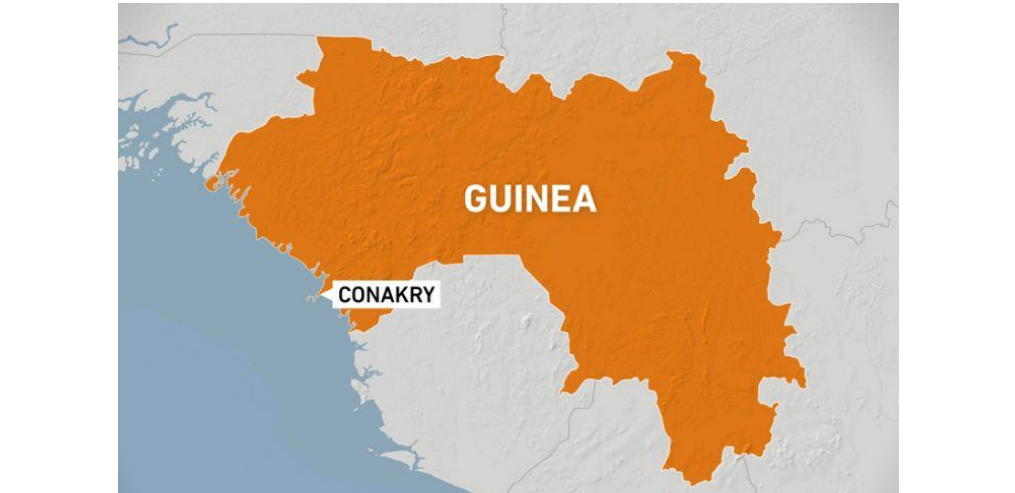
Guinea has entered a new phase of political uncertainty following a controversial Guinea constitutional referendum that could pave the way for coup leader Mamady Doumbouya to contest future presidential elections.
Doumbouya, who seized power in a military coup in 2021, had previously pledged not to run for president. However, the referendum, widely seen as tailored to his ambitions, is raising concerns about democratic backsliding in the West African nation.
Key Provisions of the Proposed Constitution
The new constitutional draft introduces sweeping changes that critics argue consolidate executive authority. Among the most significant amendments are:
- Extension of the presidential term: The mandate would increase from five to seven years, giving future leaders prolonged control.
- Creation of a Senate: A bicameral system would be established, with one-third of senators directly appointed by the president, enhancing presidential influence over legislation.
- Flexibility in eligibility: The changes could effectively open the door for Doumbouya to participate in upcoming elections, despite earlier assurances that he would oversee a return to civilian rule without seeking office himself.
Supporters of the referendum claim it will bring stability and modernize Guinea’s political institutions. However, opposition parties and civil society organizations argue it undermines democracy by entrenching military power in governance.
Opposition Calls for Boycott Amid Restrictions
Guinea’s opposition groups have strongly rejected the referendum, urging citizens to boycott the vote.
Opposition leaders allege widespread political repression, suspension of parties, media blackouts, and arrests of activists in the lead-up to the referendum.
According to critics, these tactics deprived the electorate of meaningful debate and transparency, creating an environment where dissent is silenced. The lack of open campaigning by opposition groups has further fueled skepticism about the credibility of the process.
Human Rights Concerns Grow
International human rights organizations have expressed alarm at reports of suppression of political freedoms, harassment of journalists, and arbitrary detentions in Guinea.
Observers fear that the referendum could entrench authoritarian rule under Doumbouya and weaken prospects for democratic transition.
The referendum also raises broader questions about governance in West Africa, where recent years have seen military takeovers in Mali, Burkina Faso, and Niger. Analysts warn that Guinea’s constitutional changes may reinforce a troubling pattern of coup leaders extending their grip on power instead of returning to democratic norms.
Regional and International Reactions
The Economic Community of West African States (ECOWAS) and the African Union (AU) have been closely monitoring developments in Guinea. Both organizations previously pressured the junta to commit to democratic transition timelines. However, the referendum could complicate diplomatic efforts, particularly if Doumbouya signals his intention to run for president.
Western nations, including the United States and members of the European Union, have voiced concern about Guinea’s trajectory. Calls for restraint, transparency, and respect for democratic principles are growing, but it remains unclear whether external pressure will alter the junta’s course.
Doumbouya’s Balancing Act
Since seizing power, Doumbouya has attempted to balance promises of reform with consolidation of authority. His administration has promoted anti-corruption campaigns and pledged economic restructuring, earning some domestic support.
However, his apparent shift toward pursuing the presidency is viewed by many as a betrayal of his original commitments.
By extending presidential terms and reserving influence in the Senate, Doumbouya would secure institutional levers that could ensure long-term dominance. Critics argue this undermines the very democratic transition he once vowed to lead.
What Lies Ahead for Guinea
The referendum marks a critical turning point. If Doumbouya proceeds with a presidential bid, Guinea may face intensified political divisions, international sanctions, and possible unrest.
Civil society groups and youth organizations have already signaled plans for protests, demanding a genuine return to civilian rule.
For ordinary Guineans, the immediate concern remains economic hardship and political instability. High unemployment, inflation, and declining investor confidence continue to challenge the country’s development. Political uncertainty tied to the referendum only deepens these struggles.
Conclusion
Guinea’s constitutional referendum has cast doubt on the country’s democratic future. By extending presidential terms, reshaping legislative power, and potentially enabling Mamady Doumbouya to run for president, the new framework risks cementing military dominance under the guise of reform.
As opposition groups, human rights organizations, and international bodies raise alarms, Guinea stands at a crossroads. Whether the country embraces genuine democratic transition or entrenches authoritarian rule will depend on the actions of its leaders and the resilience of its civil society in the months ahead.