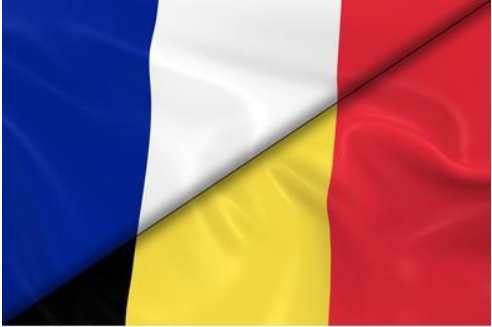
France has officially suspended its France Mali counterterrorism cooperation and expelled two Malian diplomats from Paris. This move follows the August arrest of a French embassy staff member in Bamako, who was accused by Mali of espionage—a charge France has denied. The diplomatic standoff marks a significant deterioration in relations between the two nations, which have been allies in the fight against Islamist insurgencies in the Sahel for over a decade.
Diplomatic Fallout: Arrest of French Diplomat Leads to Expulsions
The crisis began in August when Mali detained Yann Vezilier, a French national employed at the French embassy in Bamako. Malian authorities accused him of involvement in a plot to destabilize the country, alleging foreign interference. France swiftly condemned the arrest, asserting that Vezilier was a diplomatic agent and that the accusations were baseless.
In retaliation, France declared two Malian diplomats—one from the embassy and one from the consulate in Paris—persona non grata. Mali responded by expelling five French embassy staff members, escalating the diplomatic crisis.
Collapse of Counterterrorism Cooperation
The expulsion of diplomats coincided with France’s suspension of its France Mali counterterrorism cooperation. This decision halts joint military operations and intelligence-sharing efforts that have been central to combating jihadist groups in the Sahel region.
The suspension is a significant blow to regional security, as France has been a key partner in supporting Mali’s military efforts against groups like al-Qaeda and the Islamic State. The French Ministry for Europe and Foreign Affairs confirmed the suspension, stating that the decision was made in response to the arrest and subsequent diplomatic tensions.
Mali’s Shift Towards Russian Influence
The diplomatic rupture with France is part of a broader trend of Mali’s pivot towards Russian support. Since the 2021 military coup, Mali’s junta has increasingly sought assistance from Russia, culminating in the deployment of Wagner Group mercenaries to combat insurgents.
Despite Wagner’s recent withdrawal from Mali due to heavy losses, Russia’s Africa Corps has maintained a presence, signaling a continued Russian influence in the region. This shift has been accompanied by Mali’s withdrawal from the Organisation Internationale de la Francophonie, aligning with other West African nations like Burkina Faso and Niger in distancing themselves from France.
Implications for Regional Security
The suspension of counterterrorism cooperation between France and Mali raises concerns about the future of security in the Sahel. The region has been plagued by Islamist insurgencies, and the loss of French support could weaken efforts to combat these groups.
Additionally, the increasing Russian influence may alter the dynamics of international involvement in the region, potentially leading to shifts in alliances and strategies. The European Union has already ended its military training mission in Mali, citing deteriorating relations, and other international partners may reconsider their engagements in the country.
Conclusion
The suspension of France Mali counterterrorism cooperation marks a significant turning point in the geopolitical landscape of West Africa. As Mali strengthens its ties with Russia and distances itself from traditional Western allies, the region faces an uncertain future in its fight against extremism and instability.
The evolving dynamics underscore the complexities of international relations and the challenges of addressing security concerns in a rapidly changing geopolitical environment.