In a decisive move to enhance sustainable mobility across the emirate, the Roads and Transport Authority (RTA) announced plans to expand dedicated lanes for buses and taxis over the next two years while studying feasibility for a new Dubai Trackless Tram system at eight strategic locations. The initiative reflects Dubai’s ongoing commitment to world-class public transport infrastructure, traffic flow optimisation, and emissions reduction as population and commuter demands continue to grow.
The plans were outlined during a weekend media briefing by a senior RTA official, who emphasised that the expansion of dedicated corridors and exploration of innovative transit technologies are central to the emirate’s transportation master plan. These developments aim to improve commuter experience, reduce travel time, and support the city’s broader urban and economic growth strategies as Dubai Trackless Tram prepares for an increasingly integrated and resilient transport ecosystem.
Dedicated Lanes for Buses and Taxis
The upcoming expansion of dedicated lanes for buses and taxis is designed to streamline mass transit efficiency and improve reliability, particularly during peak hours. These dedicated corridors will allow public transport vehicles to operate with fewer delays due to mixed traffic congestion, thereby offering faster journey times and improved schedule adherence for passengers.
The RTA official stated that the lanes will be delineated along major arterial routes connecting key residential and commercial hubs, including Sheikh Zayed Road, Al Khail Road and routes serving Dubai Marina and Downtown.
The project will be phased over the next 24 months, with priority given to areas demonstrating the highest commuter volumes and congestion levels. In addition to lane demarcation and traffic signal upgrades, enhanced signage and real-time information systems will be deployed to improve user experience. Authorities highlighted that feedback from commuter surveys and historical traffic data were instrumental in identifying optimal locations for corridor expansion.
Dubai Trackless Tram System
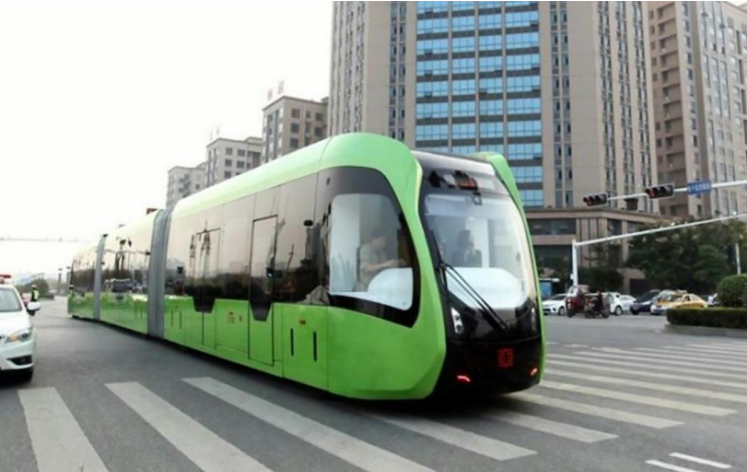
Alongside lane expansion, the RTA is conducting detailed studies on the implementation of a trackless tram system at eight locations across Dubai. Dubai Trackless Tram, vehicles that operate similarly to traditional trams but without fixed rails, offer flexibility, reduced infrastructure costs and minimal street-level disruption during installation, making them an attractive option for rapidly expanding urban transit networks.
Potential routes under consideration include high-density districts with growing residential populations and key tourism and business precincts.
While the feasibility studies are underway, the RTA emphasised that integration with existing metro and bus networks will be a core principle of design. Officials noted that the goal is to ensure seamless multimodal connectivity, making transfers between services intuitive and efficient. The trackless tram proposals are in line with Dubai’s vision of adopting cutting-edge transit innovations that can accommodate future growth while minimising environmental impact.
Strategic Benefits and Urban Planning Integration
Transport analysts and city planners view these expansions as the next logical step in Dubai’s comprehensive mobility strategy, which has prioritised connectivity, sustainability and scalability. Dedicated lanes are expected to boost bus and taxi patronage by offering reliable travel speeds relative to private vehicles, thus encouraging a shift toward public transport. This modal shift aligns with the city’s environmental targets to reduce carbon emissions and traffic congestion.
The integration of potential trackless tram corridors adds an additional dimension by expanding the range of public transport modes available to residents and visitors. By enhancing accessibility and reducing travel friction, authorities hope to further stimulate economic activity across key sectors, including commerce, tourism, and employment centres.
Urban planners emphasised that transportation infrastructure is a backbone of economic competitiveness, influencing investment decisions and quality of life for residents.
Statements from RTA and Government Leadership
In outlining the plans, the senior RTA official reaffirmed the authority’s dedication to innovation and service excellence.
“Our expansion of dedicated lanes and consideration of a trackless tram system represent Dubai’s commitment to providing efficient, integrated and future-ready transport solutions,” the official said. “We are prioritising projects that enhance mobility for residents, reduce environmental impact, and reinforce Dubai’s position as a global city with world-class infrastructure.”
Government leadership, including Dubai’s leadership overseeing urban development and transport sectors, has consistently underscored the role of advanced mobility systems in sustainable city planning. Officials noted that public consultation sessions and stakeholder engagement will form part of the detailed design phase, ensuring that commuter needs and community feedback inform implementation strategies.
Economic and Environmental Impacts
Investment in public transport infrastructure carries wide-ranging economic implications. Dedicated bus and taxi lanes are expected to shorten commuter times by an estimated 15–25 percent on key corridors, enabling greater productivity and more predictable travel scheduling for professionals and daily commuters.
Economic analysts say that improved transport reliability can enhance labour market flexibility and reduce indirect costs associated with congestion.
Environmental experts have welcomed the commitment to reducing traffic congestion, noting that improved public transport efficiency can meaningfully reduce vehicle emissions and contribute to air-quality improvements. As public transport becomes more attractive relative to private car use, the anticipated modal shift could support Dubai’s long-term goals under its climate action and sustainability frameworks.
Conclusion
Dubai’s Roads and Transport Authority has charted an ambitious expansion of dedicated bus and taxi lanes alongside exploratory studies for a Dubai Trackless Tram system that could redefine urban transit in the emirate. By combining operational enhancements with forward-thinking technology assessments, the RTA aims to deliver a seamless, efficient and environmentally responsible transport network capable of supporting Dubai’s rapid growth and evolving commuter needs.
These strategic developments underscore the emirate’s broader vision of resilient urban mobility, one that integrates public transport modes, leverages innovation, and prioritises sustainability. As implementation progresses, these initiatives hold the potential to reshape daily travel, strengthen economic productivity and elevate the living standards of Dubai Trackless Tram residents and visitors alike.