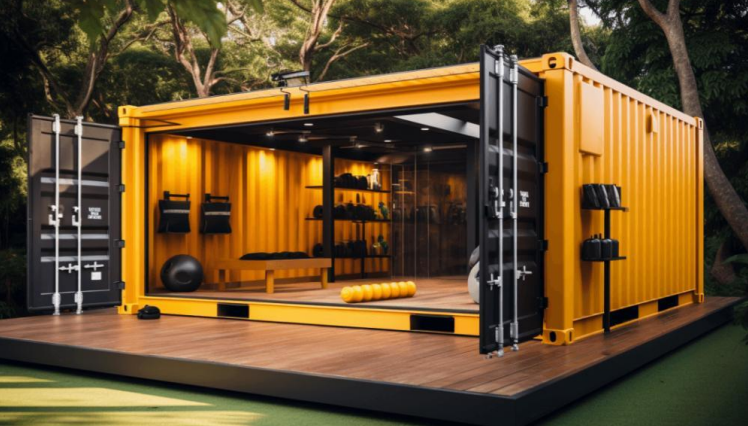
In a forward-looking push to elevate public fitness culture and maximise urban space efficiency, Dubai container-style gyms Municipality has announced plans to launch a series of container-style modular gyms across selected public parks and beachfront locations.
The initiative, set to roll out in phases throughout 2026, aligns with Dubai’s broader ambition to become one of the world’s fittest and most active cities, integrating accessible wellness infrastructure into daily community life.
These smart, portable fitness pods—designed to operate year-round—mark yet another milestone in Dubai’s transformation into a global benchmark for urban health innovation. The model supports the UAE’s national wellbeing agenda and complements existing programmes such as the Dubai container-style gyms Fitness Challenge, Move Dubai, and the emirate’s extensive smart-city investments.
The Concept Behind Container Gym
Designed from repurposed shipping containers, the new gyms will combine compact architecture with high-performance workout zones, creating air-conditioned spaces equipped with treadmills, free weights, strength machines, rowing equipment, and digital fitness stations.
Each unit will integrate smart screens offering guided workouts, health tracking, and virtual coaching—a hybrid model inspired by the rise of connected fitness systems worldwide.
The initial pilot will include gyms at Kite Beach, Al Barsha Pond Park, Zabeel Park, and Al Mamzar Beach Park, chosen for their high visitor footfall and diverse resident demographics.
Dubai container-style gyms Municipality emphasised that the design reflects the city’s future-forward health ethos: environmentally conscious, energy efficient, and accessible to both residents and tourists.
Officials confirmed that the pods will feature solar-assisted power systems, recycled materials, and climate-control efficiency, supporting Dubai’s environmental targets under the UAE Net Zero 2050 Strategy.
Affordable, Accessible Wellness for All Residents
Dubai container-style gyms Municipality aims to democratise fitness access by introducing low-cost membership options, including pay-per-session and monthly passes, making the gyms particularly appealing to students, workers, and families.
The initiative is expected to remove cost barriers associated with conventional gyms while maintaining high-quality training environments.
The pods will operate from early morning until midnight, allowing residents to incorporate workouts into varied schedules. Notably, each gym will include gender-inclusive design elements, safe lighting, CCTV monitoring, and proximity to running tracks, cycling paths, and beachfront recreational areas.
City officials estimate that the container gyms could serve over 1.2 million users per year once fully deployed, adding a new layer of convenience and fitness accessibility to the public environment.
Health, Tourism, and Community Impact
Beyond wellness, the container-gym programme is expected to stimulate social engagement, tourism vibrancy, and community activation.
Parks officials pointed out that Dubai’s outdoor spaces already attract millions of residents and visitors annually, and integrating modern micro-gyms into these landscapes will further increase usage and encourage healthier lifestyles.
Tourism analysts believe the move fits Dubai’s global brand as a lifestyle hub. Fitness tourism has grown rapidly in recent years, and Dubai’s reputation for innovative recreation—from beach libraries to smart cycling stations—positions the container gyms as an appealing addition for health-conscious travellers.
Moreover, the gyms are expected to support national health goals related to reducing obesity rates, improving cardiovascular fitness, and promoting active routines among youth.
Schools and community groups will have opportunities to hold fitness sessions in collaboration with the Municipality, strengthening local engagement.
Infrastructure, Sustainability, and Future Expansion
The Municipality revealed that the concept is deliberately modular, allowing gyms to be relocated, expanded, or redesigned as community needs evolve.
Each unit will integrate digital infrastructure for climate monitoring, energy tracking, and remote maintenance—part of Dubai’s broader smart urban management system.
In the next phases, Dubai container-style gyms may introduce specialised pods for boxing, Pilates, virtual cycling, and high-intensity interval training (HIIT), turning public parks into diversified outdoor fitness zones.
Trials of wellness pods with AI-based exercise analysis are also being explored under the city’s HealthTech innovation roadmap.
Officials view this programme not merely as a fitness upgrade but a strategic investment in preventive health. By offering accessible, tech-enabled workout spaces in neighbourhoods across Dubai, the Municipality aims to ease long-term pressure on public health systems while improving quality of life.
Conclusion
Dubai’s container-style gym initiative embodies the emirate’s vision of a fit, active, and smart city, where wellness blends seamlessly into urban life.
As these modular gyms begin appearing along the city’s scenic parks and beaches, Dubai container-style gyms is once again showcasing how urban planning, health innovation, and public policy can converge to shape a future-ready lifestyle.
With its blend of technology, sustainability, accessibility, and urban creativity, the project positions Dubai container-style gyms as a leader in next-generation public wellness infrastructure—a model that other global cities may soon seek to emulate.