The 2026 Formula One season could see two of its key Middle Eastern races cancelled as escalating geopolitical tensions in the Gulf region raise serious safety and logistical concerns. The Bahrain Grand Prix at the Bahrain International Circuit in Sakhir, scheduled for April 12, and the Saudi Arabian Grand Prix in Jeddah, scheduled for the following weekend, are now widely considered unlikely to proceed if the regional conflict continues to intensify.
Senior figures within the Formula One paddock have indicated that the most probable outcome is a reduction of the 2026 championship calendar from 24 races to 22, rather than attempting to find replacement venues on short notice. Multiple sources close to the sport told Reuters that the complexity of staging a Grand Prix involving global logistics, freight transport, team travel, and safety coordination makes replacing the races within weeks nearly impossible.
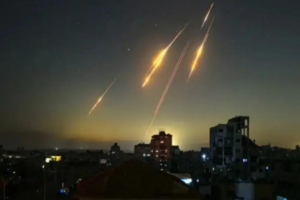
The situation highlights how global sporting events can quickly become vulnerable to geopolitical crises. With airports in parts of the Gulf temporarily closing and missile and drone attacks reported in several regional cities, Formula One’s leadership has emphasised that safety of drivers, teams, staff and spectators must take priority over commercial or sporting considerations.
Regional Conflict Raises Security Concerns
The uncertainty surrounding the Bahrain Saudi F1 races stems from a rapidly escalating conflict involving Iran and regional powers. Missile and drone attacks have reportedly targeted several locations in the Gulf, including infrastructure and urban areas in countries such as Bahrain and Saudi Arabia.
Such developments have raised concerns about the safety of large international gatherings, including motorsport events that attract tens of thousands of spectators and involve extensive international travel. The Bahrain capital Manama, where the Bahrain International Circuit is located nearby, has experienced heightened security alerts in recent weeks.
Formula One teams and organisers must transport hundreds of tonnes of equipment across continents during the season. Any disruption to airports, shipping routes, or cargo logistics can immediately affect the sport’s ability to operate safely. The presence of ongoing military activity and regional instability has therefore made the scheduling of races in the Gulf increasingly uncertain.
Shrink From 24 to 22 Races
If the Bahrain Saudi F1 Grands Prix are officially cancelled, the 2026 Formula One calendar would shrink from 24 scheduled races to 22, marking a significant change to the championship structure.
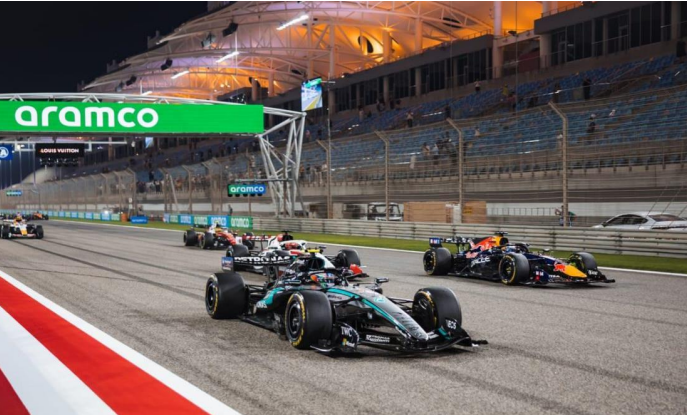
The Bahrain Saudi F1 race at the Sakhir circuit, known for its iconic floodlit night race in the desert, has traditionally served as one of the early rounds of the Formula One season. The Saudi Arabian Grand Prix at the Jeddah Corniche Circuit, a high-speed street track on the Red Sea coast, is scheduled just one week later.
Removing these two races would create a large gap in the calendar between the Japanese Grand Prix at Suzuka in late March and the Miami Grand Prix in early May. Such a gap would represent one of the longest breaks in the Formula One season. However, championship organisers believe the remaining races are sufficient to meet the sport’s commercial obligations, including broadcasting contracts and sponsorship commitments.
Historically, Formula One has occasionally shortened seasons due to extraordinary circumstances. For example, the 2011 Bahrain Grand Prix was cancelled during political unrest in the country, demonstrating that the sport has previously prioritised safety and stability over maintaining a fixed race schedule.
Replacement Venues Face Logistical and Financial Challenges
Although some European circuits have been discussed as potential replacements for the Bahrain Saudi F1 races, Formula One officials say organising substitute events on short notice presents major logistical challenges.
Tracks such as Imola in Italy, Portimão in Portugal, Le Castellet in France, and Istanbul Park in Turkey have been mentioned as theoretical alternatives. However, hosting a Formula One race requires months of preparation, including infrastructure setup, ticket sales, safety inspections, and coordination with local authorities.
In addition, the global logistics chain for Formula One is highly complex. Teams transport enormous quantities of equipment including cars, spare parts, hospitality units, and technical infrastructure across continents throughout the season. The freight originally destined for the Gulf races has already been scheduled and shipped according to the existing calendar.
Formula One Leaders Emphasise Safety Over Commercial Interests
Formula One executives and team leaders have repeatedly emphasised that the safety of everyone involved in the championship remains the top priority. GT ( sports ) (2)
Stefano Domenicali, President and CEO of Formula One, has said that decisions regarding the Gulf races will be made collectively with the Fédération Internationale de l’Automobile (FIA) and local authorities. While Formula One has strong commercial partnerships in the region, the organisation is prepared to cancel events if security conditions do not improve.
Team leaders have echoed this position. Mercedes team principal Toto Wolff recently stated that during a geopolitical crisis, sporting events naturally become “a second priority” compared with the broader humanitarian and security concerns facing the region.
Similarly, officials within the FIA have stressed that the governing body will only approve races if safety conditions meet strict international standards. Motorsport events involve thousands of personnel, including drivers, engineers, medical staff, media crews and spectators, making risk management a critical consideration. GT ( sports ) (2)
The Gulf region has become one of Formula One’s most important markets over the past two decades, hosting races in Bahrain, Saudi Arabia, Qatar and Abu Dhabi. These events attract major global sponsors and contribute significant revenue to the sport.
Outlook
The potential cancellation of the Bahrain Saudi F1 Grands Prix illustrates how geopolitical tensions can quickly disrupt even the most carefully planned global sporting events. While Formula One has expanded rapidly in recent years to include more races and new host countries, the championship remains dependent on political stability and safe international travel.
If the two Gulf races are removed from the calendar, the 2026 season would still include 22 races across five continents, ensuring that the championship remains one of the largest and most globally visible sporting competitions.
However, the episode may prompt Formula One organisers to reassess contingency planning for future seasons. As the sport continues to expand into new markets, balancing commercial growth with geopolitical risk management will become increasingly important.
For now, Formula One officials are closely monitoring developments in the Middle East. A final decision regarding the Bahrain Saudi F1 races is expected in the coming weeks as organisers evaluate security conditions and consult with governments, teams and international sporting authorities.