Abu Dhabi has announced a landmark commitment of nearly $300 billion to modernise and expand its energy and water systems, underscoring the emirates’ determination to secure long-term resource resilience while accelerating its transition toward a more sustainable economic model.
The investment, one of the largest of its kind globally, reflects Abu Dhabi energy investment recognition that energy reliability and water security are not merely infrastructure challenges but central pillars of national stability, economic growth, and climate preparedness.
The scale of the commitment signals a decisive shift from incremental upgrades to system-wide transformation. With energy demand rising alongside population growth and industrial expansion, and water scarcity intensifying across the Gulf, Abu Dhabi energy investment is positioning itself to remain resilient in an increasingly volatile global climate and energy landscape.
Sustainable Energy Transition
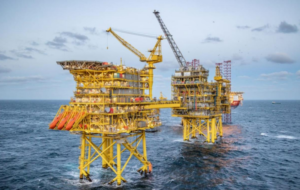
A significant portion of the investment will be directed toward strengthening Abu Dhabi energy investment ecosystem, balancing traditional hydrocarbons with clean and low-carbon alternatives. While oil and gas will continue to play a role in the emirate’s economy, the focus is firmly on diversification, expanding renewable capacity, improving grid efficiency, and integrating advanced technologies to reduce emissions and enhance reliability.
Solar and other renewable energy projects are expected to be scaled up substantially, alongside investments in energy storage and smart grid systems. These initiatives aim not only to cut carbon intensity but also to ensure uninterrupted power supply amid growing consumption from data centres, manufacturing, and urban development.
By reinforcing energy security while lowering environmental impact, Abu Dhabi energy investment seeks to align economic competitiveness with its broader climate commitments.
Water Security at the Core of the Plan
Water infrastructure forms the second major pillar of the $300 billion programme, reflecting the existential importance of water security in an arid region.
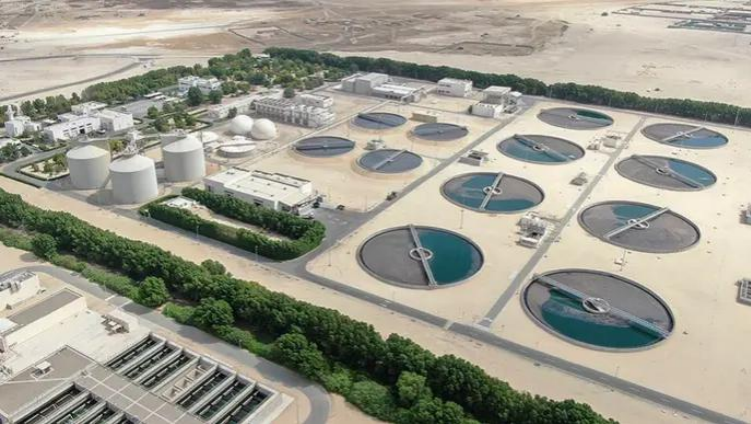
Abu Dhabi energy investment plans to expand and modernise desalination capacity, improve transmission networks, and adopt energy-efficient water production technologies to reduce costs and environmental strain.
The strategy places particular emphasis on transitioning toward low-carbon desalination methods, including reverse osmosis systems powered increasingly by renewable energy. Reducing water losses through smarter distribution networks and advanced monitoring is also a priority, ensuring that supply keeps pace with rising urban and industrial demand without unsustainable resource use.
Economic Diversification and Industrial Growth
Beyond energy and water security, the investment programme is closely tied to Abu Dhabi energy investment long-term economic diversification goals.
Large-scale infrastructure spending is expected to stimulate domestic industries, attract foreign investment, and support the growth of high-value sectors such as advanced manufacturing, clean technology, and digital services.
The expansion of reliable energy and water systems is seen as foundational for positioning Abu Dhabi energy investment as a regional hub for emerging industries, from green hydrogen to artificial intelligence-driven industrial operations.
By reducing exposure to supply disruptions and resource constraints, the emirate aims to create a more predictable and competitive environment for private sector growth.
Global Positioning and Leadership
Abu Dhabi energy investment announcement also carries significant geopolitical and symbolic weight.
As energy markets undergo rapid transformation and climate concerns reshape global policy agendas, the emirate is seeking to present itself as a pragmatic leader, balancing economic realism with environmental responsibility.
The scale of the investment reinforces Abu Dhabi energy investment intent to remain influential in global energy discussions while adapting to a post-carbon future. By committing capital on this scale, the emirate is signalling to international partners, investors, and policymakers that it intends to be a long-term anchor of energy stability, innovation, and climate-aware development.
Outlook
The $300 billion commitment represents more than an infrastructure upgrade; it is a generational bet on resilience, sustainability, and economic relevance.
Execution will be critical, with timelines, technology choices, and governance determining whether ambition translates into durable outcomes.
If delivered as envisioned, the programme could redefine Abu Dhabi energy investment energy and water landscape for decades, ensuring that growth is underpinned by secure, efficient, and increasingly sustainable systems.
In an era defined by climate uncertainty and resource competition, Abu Dhabi energy investment strategy reflects a clear calculation: investing heavily today to safeguard prosperity tomorrow.